Ogu/Bolo at One: Inside Vincent Nemieboka’s First Year of Projects, Empowerment and Community...
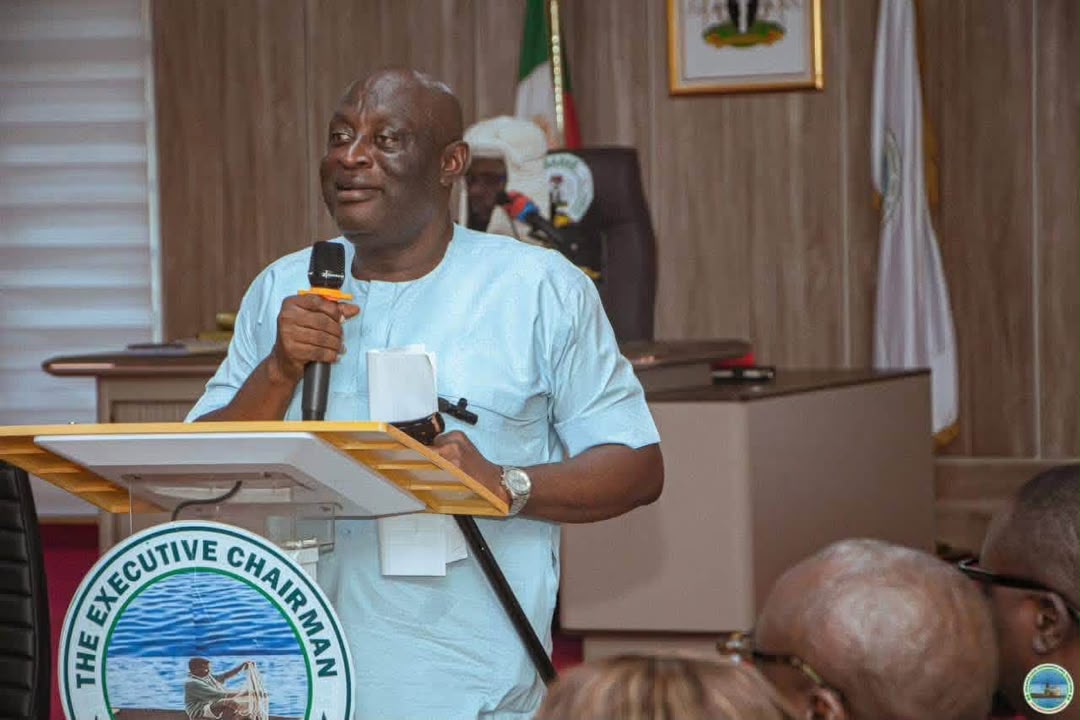
From scholarships and youth training to roads, electricity, healthcare and peacebuilding, the Ogu/Bolo council says its first year has focused on putting people and community needs at the centre of governance.
By Wakirike Herald
 For many residents of Ogu/Bolo Local Government Area, development is measured in things they can see, touch and use.
A child with a school bag.
A student whose fees no longer threaten to end a promising education.
A young person learning a trade instead of waiting endlessly for a job.
A market woman receiving capital to keep her business alive.
A fisherman returning to the water with a canoe and fishing gear.
A community waiting for electricity to finally reach its homes.
And for families in places where healthcare has long meant difficult journeys, a health centre closer to home.
These are among the stories the administration of Chief Vincent Nemieboka, Esq., is presenting as it marks its first year in office as Chairman of Ogu/Bolo Local Government Area.
The administration says its first year has focused on a broad range of interventions covering education, security, healthcare, electricity, infrastructure, youth and women empowerment, transportation, water supply, peacebuilding and institutional development.
Rather than limiting its focus to major construction projects, the council says it has also directed resources towards programmes intended to improve the everyday lives of residents.
Education: Investing in the Next Generation
Education has emerged as one of the administration's major areas of intervention.
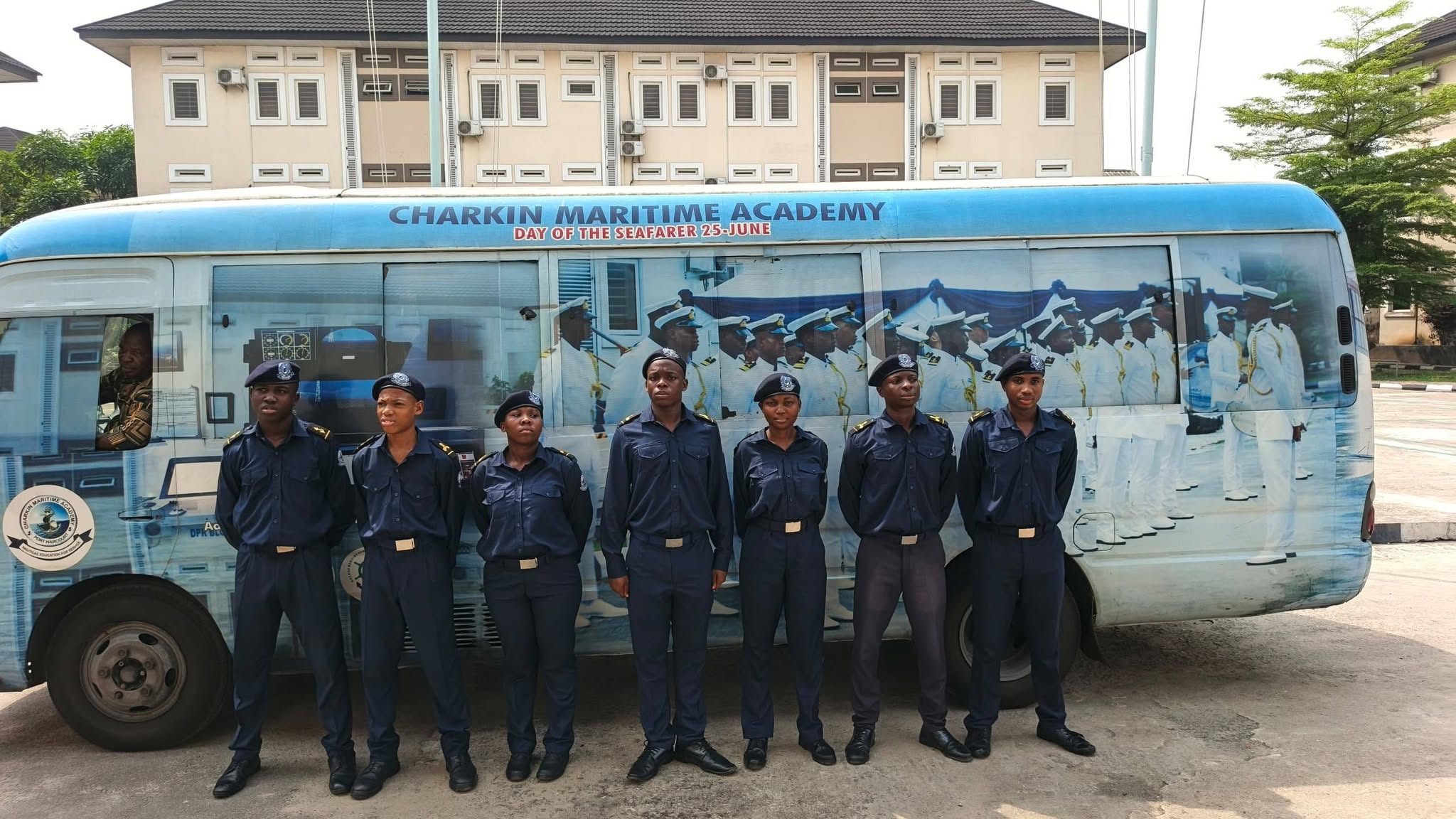
Perhaps the most striking initiative is the full scholarship awarded to eight Ogu/Bolo indigenes to study at Charkin Maritime Academy, an institution offering National Diploma programmes in Nautical Science and Marine Engineering.
The scholarship covers tuition, uniforms, learning materials, accommodation and feeding.
The council estimates that supporting the eight beneficiaries through their two-year programmes will cost at least ₦75 million.
For the beneficiaries, the opportunity represents more than financial assistance. It opens a door into Nigeria's maritime industry at a time when practical skills and specialised training can determine whether young people find meaningful employment.
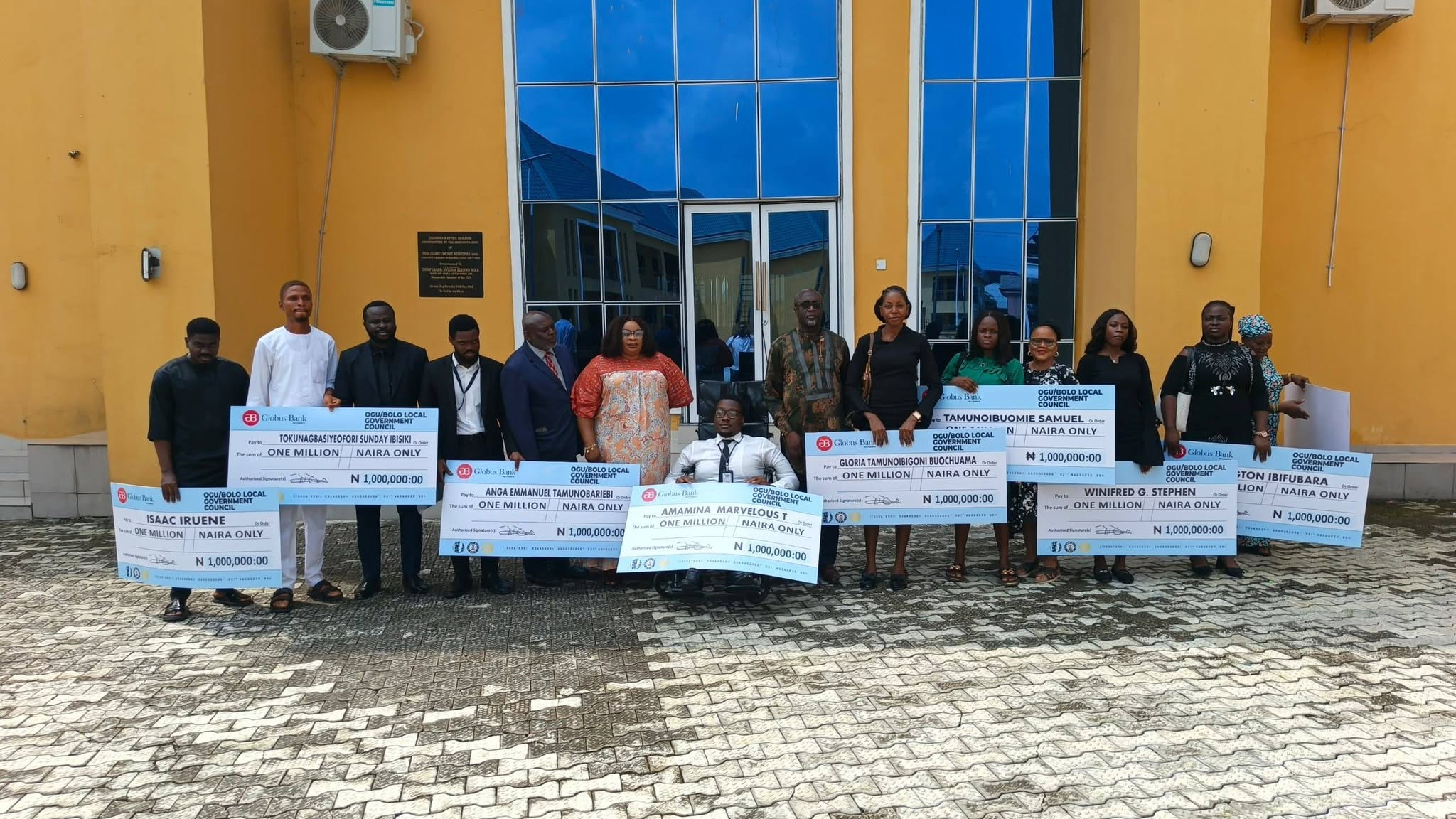
The council has also introduced a ₦1 million annual grant for every Ogu/Bolo indigene at the Nigerian Law School, while Ogu/Bolo graduates who finish with First Class honours from tertiary institutions are to receive ₦1 million each.
At the primary and secondary school levels, the council donated ₦16 million through the Liberation Club of Ogu, benefiting 224 pupils and students.
And more assistance is coming.
The administration has set aside ₦150,000 bursaries for Ogu/Bolo indigenes in tertiary institutions, while postgraduate students are expected to receive ₦350,000 for Master's programmes and ₦500,000 for PhD programmes.
Verification of beneficiaries is underway, with the bursary process scheduled to begin in September 2026.
When Going Back to School Becomes Easier
The council is also preparing to launch its Back-to-School Programme this month.
A committee headed by the Vice Chairman, Dr. Eunice Alabo, is expected to visit primary schools across the LGA and distribute school bags, sandals, notebooks, mathematical sets and other learning materials.
For families struggling to meet the rising cost of education, such assistance can make the difference between a child returning to school prepared - or returning without some of the basic materials needed for learning.
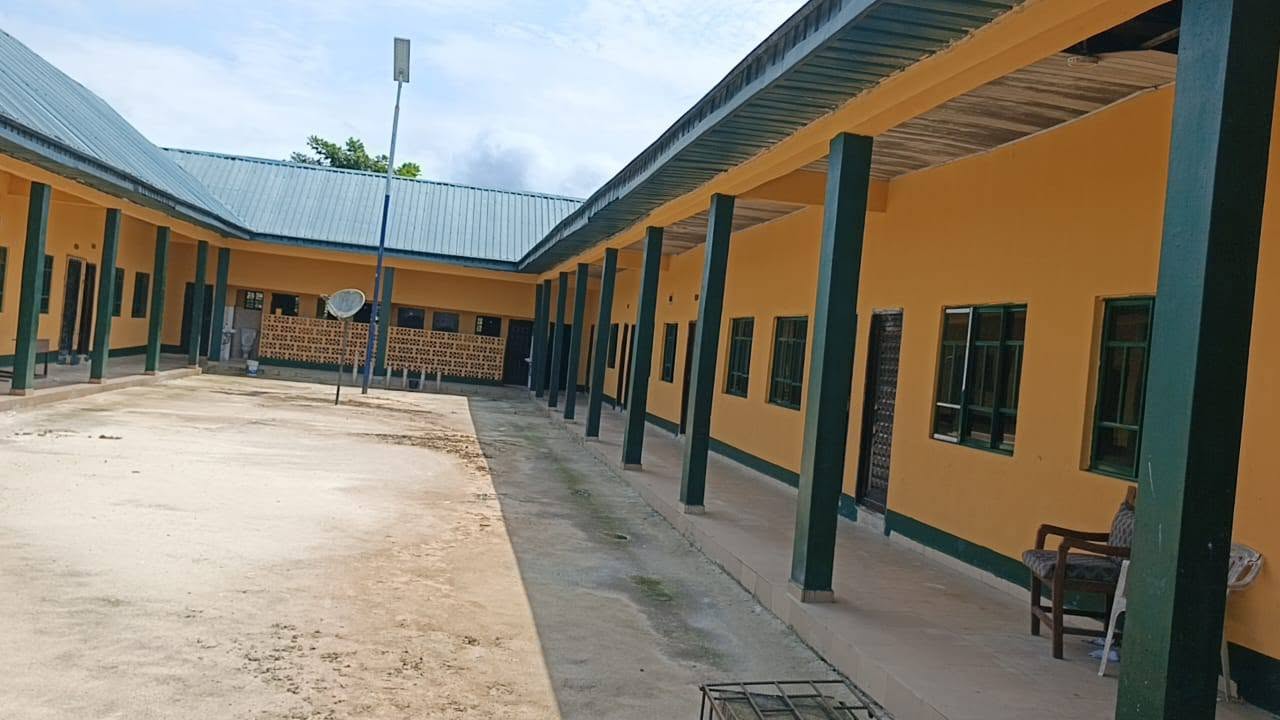
The administration has also renovated six government-owned schools, including schools in Ele, Bolo, Ogu and Chuku-Ama, while additional teachers' quarters are under construction in several communities.
At Community Secondary School, Bolo, an Assembly Hall is also being constructed. The facility is expected to serve as a multipurpose hall and a computer-based centre for examinations such as WAEC and GCE.
The Command Science Secondary School, Ogu, has equally received comprehensive renovation ahead of its take-off, alongside the installation of 60 solar-powered lighting poles around the school and senior staff quarters.
Electricity: Bringing Light to Communities
In a riverine local government where some communities have struggled with basic infrastructure, electricity remains one of the most consequential development needs.
The council says electrification projects are underway in Ikpo-Ama, Opu-Ama and Ele, with the aim of connecting the communities to the national grid.
Electric poles and cables have already been installed, while the construction of lattice towers is reportedly 80 per cent complete.
The council has also awarded a contract for the extension of electricity from the national grid through Opu-Ama to Ele.
For communities awaiting their first connection to the national grid, the significance goes beyond simply having electric bulbs in homes.
Reliable electricity can mean longer business hours, better conditions for studying, improved healthcare services and new opportunities for small businesses.
The council is also working on electrification along the Chuku-Ama/Nemieboka-Ama axis, while solar-powered streetlights have been installed in Iwokiri, Bolo.
In addition, the administration says it has paid ₦91 million in electricity bills to the Port Harcourt Electricity Distribution Company for communities in the LGA.
Roads, Bridges and the Everyday Journey
Sometimes development is simply about making it easier to get from one place to another.
The council has completed or undertaken several internal road and access projects, including a 280-metre road in Wakama, a 300-metre road in Nemieboka, a 216-metre road in Ele, and a 150-metre concrete road in Opu-Ama.
A 40-metre footbridge has also been provided in Opu-Ama to improve access to the community health centre.
These may appear modest beside larger infrastructure projects, but for residents who use them every day, the impact can be immediate - shorter journeys, easier movement and better access to schools, markets and healthcare.
The administration has also completed the Nemieboka Community Hall.
Water: A Basic Need, A Major Responsibility
Water supply has also received attention.
The council says it has installed an additional 40,000-litre overhead water storage facility in Bolo, rehabilitated water infrastructure in Wakama and continued maintenance of facilities in Ogu.
Diesel is also provided regularly to support water pumping and distribution across communities.
For households, especially women and children who often bear the burden when water systems fail, keeping these facilities running can have a direct effect on daily life.
Empowering Young People to Earn
Beyond classrooms and construction sites, the administration has placed considerable emphasis on human capital development.
About 1,500 youths are receiving monthly stipends ranging from ₦30,000 to ₦100,000, according to the council.
The administration also says more young people have been appointed to positions within the council as part of its effort to increase youth participation in governance.
But the emphasis is not limited to stipends.
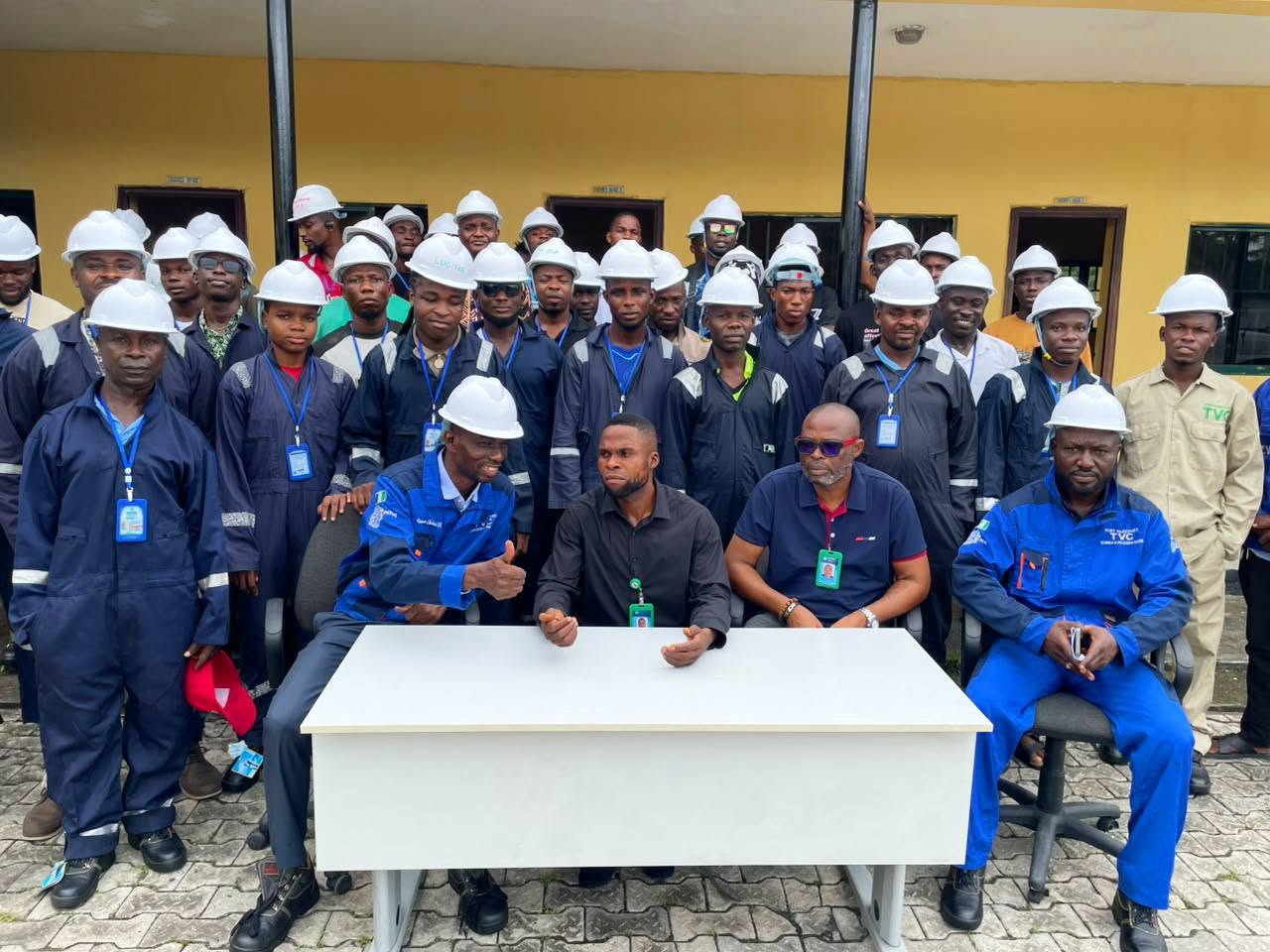
Sixty youths have been sponsored for vocational and technical training at the Rivers State Vocational Training Centre.
They are being trained in welding and fabrication, electrical/electronics, masonry and building construction, and plumbing.
Each trainee receives a ₦100,000 stipend, while accommodation is provided throughout the training.
The council puts the total cost of the programme at ₦90 million.
There is also a maritime component.
Funding has been earmarked to support 65 youths seeking seamanship certification or renewal of expired certificates, with the council estimating the cost of supporting a beneficiary at ₦1.5 million.
For young people seeking a way into the maritime economy, the intervention could provide an important professional pathway.
Women and the Small Businesses That Keep Families Going
Women are another major focus.
Under the first phase of the Ogu/Bolo Women Economic Empowerment Programme, 550 market women received ₦150,000 each to strengthen their small businesses.
For a trader, that money can mean restocking goods, expanding a stall, paying a child's school expenses or simply keeping a family business alive during difficult economic times.
The council says a second phase is already being prepared.
The next round is expected to include teachers, persons living with disabilities, legionnaires, clergy, elderly residents, widows and women, with beneficiaries currently being collated.
Supporting Fishermen in a Riverine Economy
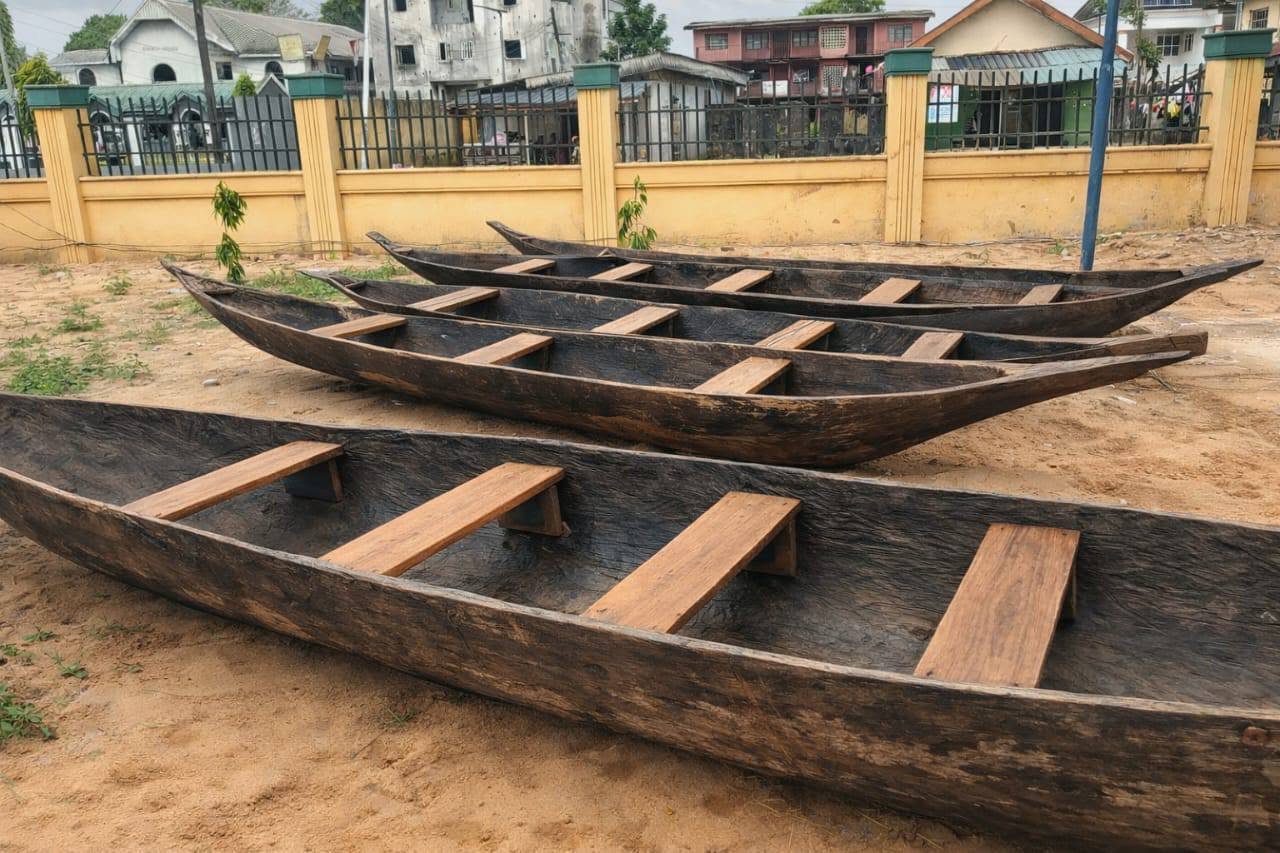 Fishing remains central to the economic life of many Ogu/Bolo communities.
Recognising this, the council says it has distributed dugout canoes and fishing gear, alongside ₦200,000 financial support to beneficiaries.
The intervention is designed to help fishermen increase productivity and strengthen livelihoods dependent on the waterways.
For families whose daily income can depend on what comes home from the river, support for fishing is also support for food, education and household survival.
Healthcare Closer to the People
The administration is constructing new Primary Healthcare Centres in Ele and Owuogono, with staff quarters included in the projects.
The council also says it has consistently remitted its 5 per cent monthly healthcare allocation to the Rivers State Primary Healthcare Board.
According to the administration, an average of ₦500 million has so far been disbursed towards primary healthcare development in the LGA.
The council is also partnering with the state primary healthcare authorities on the renovation of existing facilities.
Its health interventions have included support for maternal and child health programmes, measles-rubella vaccination, World Breastfeeding Week activities and the 2025 World Toilet Day commemoration.
The council also provided infrastructural support to the Model Primary Health Centre, Ogu, during the O.B. Lulu-Briggs Foundation Comprehensive Medical Outreach Programme in March 2026.
Healthcare workers receive monthly stipends, while a Local Government Health Authority Advisory Committee has been inaugurated to strengthen oversight of primary healthcare services.
An HIV Steering Committee has also been established to coordinate HIV prevention, testing, treatment and support activities.
Peace as Development Infrastructure
For any community to develop, people must first feel safeenough to live, work and invest in their future.
Security and peacebuilding have therefore featured prominently in the administration's first year.
Community-based vigilante structures have been established and equipped in Ogu, Bolo and Wakama, working alongside law enforcement agencies, Community Development Committees and traditional leaders.
The council also provides financial, accommodation and logistical support to agencies including the Nigeria Police Force, DSS, FRSC, NSCDC, State Intelligence Bureau and Nigeria Immigration Service.
Beyond security operations, the administration says it has intervened in several communal and leadership disputes through dialogue and stakeholder engagement.
It worked with the Tai Local Government Council to address a land dispute involving Wakama and Kpogu communities, while efforts are continuing to manage relations between Ogu and Ekporo communities.
The administration says Ogu/Bolo is now being regarded by stakeholders as one of the most peaceful local government areas in the region.
Giving Communities a Voice
Development, the administration says, should not be decided entirely from the council office.
On August 8, 2026, the council sponsored the Ogu Development Summit, bringing together community leaders, youths, women, elders, religious leaders, social clubs and other stakeholders.
The summit created a platform for residents to discuss their priorities, identify challenges and develop collective strategies for the community.
Similar engagements are expected to be organised in other communities.
Building the Machinery of Local Government
Behind every functioning public service is an institution capable of delivering it.
The council has therefore invested in its administrative infrastructure, including the construction of a Council Guest House, renovation of the Customary Court in Bolo, furnishing of the Legislative Chamber and procurement of office furniture.
An ICT Centre opposite the Council Secretariat is also being equipped for digital training.
The council has procured a 150KVA soundproof generator to strengthen electricity supply to its facilities.
In Bolo, construction is continuing on a two-storey Liaison Office/Guest House initiated by a previous administration. The facility is expected to support digital training and official engagements.
Remembering the Institutions That Built the Communities
The administration has also placed emphasis on traditional and religious institutions.
It says it has consistently fulfilled its obligation to remit 5 per cent of its monthly allocation to the Traditional Institution and has maintained regular consultations with chieftaincy institutions.
Plans have also been concluded for the reconstruction of an ultra-modern palace for the Amanyanabo of Ogu, with the project scheduled for flag-off by the end of October 2026.
The existing palace is also expected to be renovated and landscaped, while the council plans to furnish the new palace of the Amanyanabo of Bolo.
The administration is facilitating the completion of the two-storey parsonage at St. Martin's Anglican Church, Ogu, with similar interventions planned for St. Gabriel Church, Bolo, and St. Stephen Church, Wakama.
The council says these institutions played important roles in the historical development of the communities.
Preparing for the Next Journey
One year is long enough to show direction, but not long enough to complete every promise or solve every challenge.
The first year of the Nemieboka administration has produced a mixture of completed projects, ongoing construction, financial interventions and programmes still being prepared for implementation.
For residents, the real test will ultimately be measured not by the number of projects announced, but by what changes in their daily lives.
Can the student stay in school?
Can the young person acquire a skill and find work?
Can the market woman grow her business?
Can the fisherman earn more from the river?
Can a sick resident reach a functioning health centre without travelling far?
Can communities enjoy reliable electricity and clean water?
Can roads and bridges make movement easier?
And can peace remain strong enough for development to take root?
Those are the questions that will define the next chapter.
For now, the Ogu/Bolo administration says its first year has laid the foundation.
The journey, it acknowledges, is far from over.
And for the people of Ogu, Bolo, Wakama and the surrounding communities, the hope is that the projects already underway will move from promises and construction sites into lasting improvements in everyday life.
Wakirike Herald
The Voice of Wakirike People Everywhere
Written by
wk-admin
Comments
- Be the first to comment.