Niger Delta Group Endorses Tinubu, Demands 25% Oil Derivation
By Wakirike Herald
The Niger Delta Progressives Alliance (NDPA) has endorsed President Bola Tinubu for a second term while demanding an increase in oil derivation payments from 13 per cent to 25 per cent.
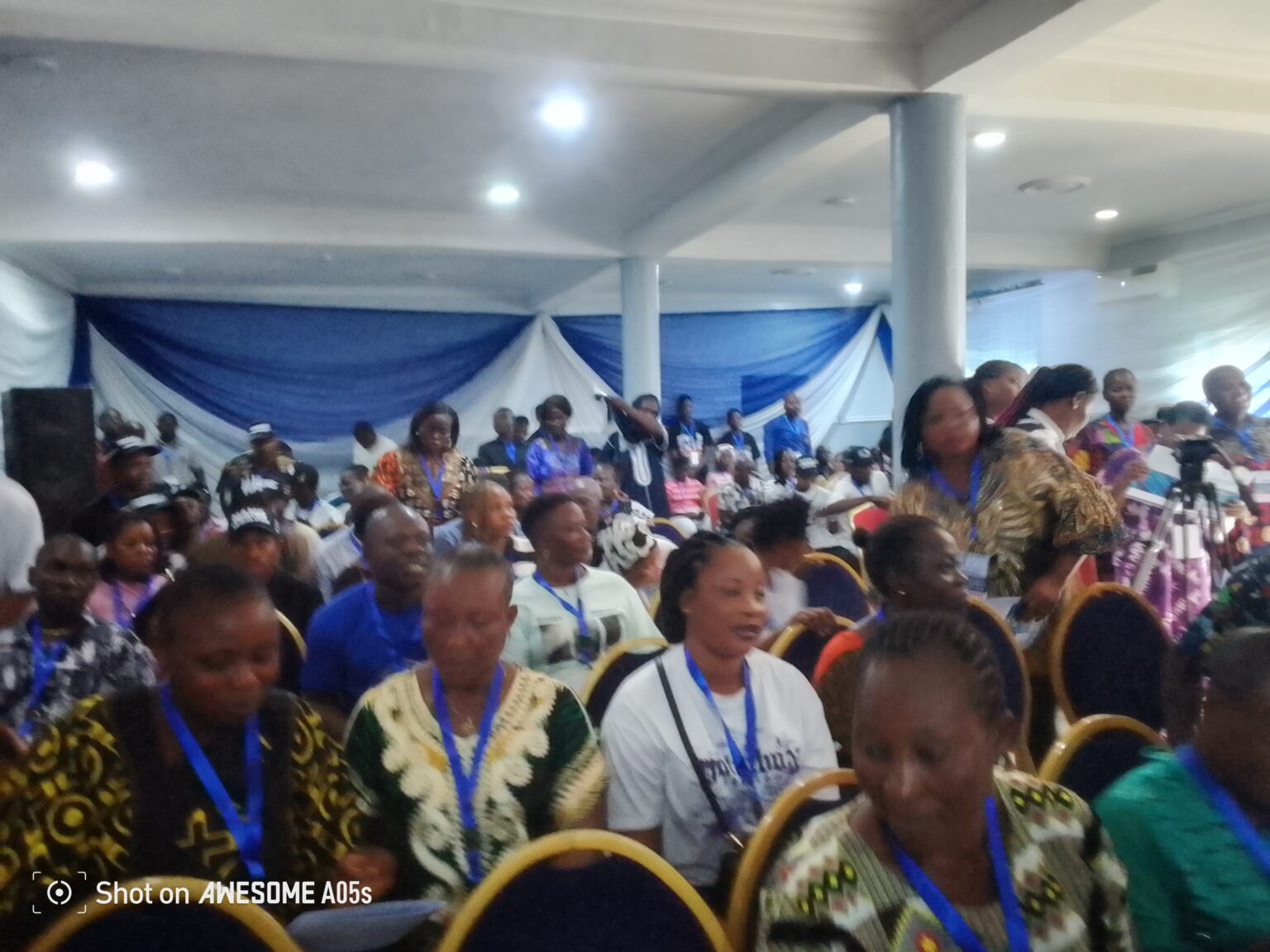
The group announced its position on Saturday at a stakeholders’ meeting in Yenagoa, Bayelsa State, bringing together support for the administration’s economic reforms and a demand for greater financial returns to oil-producing states.
Tagged “Nigeria at 66: The Legacy of Bold Reforms”, the meeting examined the administration’s first three years in relation to the development needs of Niger Delta communities.
A Demand for Greater Resource Benefits
NDPA convener, Mr Victor Udoh, argued that the Niger Delta had received substantial benefits under the Tinubu administration. He claimed that the region had benefited more than any other during the President’s first three years, although no comparative figures were provided in the account of the meeting.
Udoh said the region’s contribution to Nigeria’s economy had not translated into adequate benefits for its people.
He linked the country’s economic history to commercial oil exploration in the Niger Delta, lamenting that communities bearing the burden of extraction had yet to maximise the returns from their natural resources.
The demand for a 25 per cent derivation share places revenue distribution at the centre of the group’s political position. However, the account of the meeting did not outline a timetable or a detailed route for securing the proposed increase.
Udoh urged a shift from violent militancy to constructive engagement, citing past efforts by South-South governors to pursue the region’s resource entitlements.
He also described the establishment of the Niger Delta Development Commission as an important intervention in addressing the region’s development challenges.
Support for Reforms Amid Rising Costs
Mr Jator Abido, National Coordinator of the Niger Delta Youth Council Worldwide, defended the removal of the fuel subsidy and changes to the foreign exchange market as difficult but necessary reforms.
“At 66, Nigeria is no longer a young nation making excuses. We are a mature nation that must make bold choices,” he said.
Abido acknowledged that the policies had contributed to inflation and higher living costs in cities including Port Harcourt, Warri and Yenagoa.
Nevertheless, he argued that the reforms had improved investor confidence, reduced economic losses and increased federal allocations to states, including those in the Niger Delta, by more than 60 per cent.
The account of the meeting did not provide the underlying figures or comparison period for that claim.
Abido also said crude oil production had risen from about 1.4 million barrels per day to approximately 1.8 million barrels per day, attributing the improvement to collaboration between security agencies and private security firms.
He welcomed the establishment of the Presidential Committee on Ogoni Consultations and changes to the board associated with the Ogoni clean-up, expressing support for efforts to accelerate environmental restoration.
Student Loans and the Re-election Appeal
Mr Lucky Micheal, identified as President of the National Association of Nigerian Students, Bayelsa Chapter, commended the administration’s student loan scheme.
He urged students to support Tinubu’s re-election bid, saying the initiative could improve access to education.
Chief Ubong Akpan also backed a second term, arguing that the President should be given more time to complete the administration’s programmes.
These endorsements represent the positions of the speakers and participating organisations; they do not establish a shared political position across the Niger Delta.
Beyond Allocations, Communities Need Results
The meeting brought two issues into focus: whether the administration’s reforms are delivering measurable improvements and whether oil-producing states should receive a greater share of resource revenue.
For the Niger Delta’s coastal and riverine communities, the practical test extends beyond higher government receipts. It includes whether public spending improves water transportation, schools, healthcare, environmental protection and livelihoods.
The NDPA’s demand adds to the debate over resource distribution. Its significance will ultimately depend on whether political advocacy produces accountable spending and visible improvements in the communities whose resources sustain the national economy.
Wakirike Herald
The Voice of Wakirike People Everywhere
Written by
wk-admin
Comments
- Be the first to comment.