WAHO Seeks Common Nursing, Midwifery Accreditation Standards Across West Africa
By Wakirike Herald
The West African Health Organization (WAHO) has called for harmonised accreditation standards for nursing and midwifery training institutions across ECOWAS member states to improve educational quality, strengthen healthcare delivery and facilitate the movement of qualified professionals across the region.
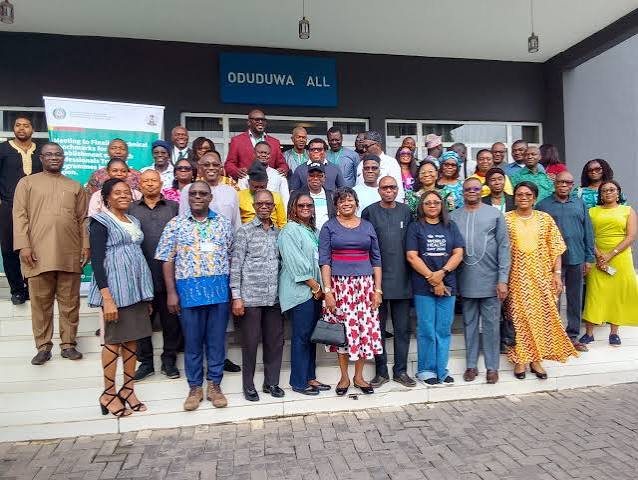
WAHO Director-General, Prof. Palokinam Pitche, made the call on Thursday in Abuja at a workshop to finalise harmonised regional accreditation criteria for nursing and midwifery training institutions.
Pitche, represented by Prof. Joseph Olorunda, Head of Training and Human Resources for Health at WAHO, said common standards would promote quality education, improve regulatory consistency and help produce a competent health workforce.
He said the initiative was particularly important given persistent regional challenges, including inadequate health financing, weak disease surveillance systems, poor public health infrastructure and shortages of skilled personnel.
According to him, the shortage of healthcare professionals remains a major obstacle to improving health outcomes and achieving regional health development objectives.
Regional Health Workforce Shortage Raises Concern
Pitche recalled that a 2017 World Health Organization (WHO) survey identified all 15 ECOWAS member states among 57 countries facing critical health workforce shortages globally.
He said the survey, which used a minimum threshold of 2.28 healthcare professionals per 1,000 people, recorded an average density of 0.73 per 1,000 across the ECOWAS region.
The reported figures ranged from 0.05 to 1.97 healthcare professionals per 1,000 people, illustrating the scale of the workforce challenge.
Pitche said addressing the shortage required stronger policies on professional education, relevant curricula, continuing professional development, collaboration among healthcare disciplines and staff retention.
He stressed that accreditation should not be treated merely as an administrative exercise but as a strategic investment in national development and stronger healthcare systems.
The COVID-19 pandemic, he added, had demonstrated that universal health coverage and health security depended on a competent and adequately distributed nursing and midwifery workforce.
Common Standards for Training Institutions
Under the proposed framework, nursing and midwifery training institutions would be assessed against agreed requirements covering curricula, faculty qualifications, infrastructure, clinical facilities and practical training.
Pitche said the process would be guided by quality assurance, regulatory alignment, institutional readiness, transparency and accountability.
He explained that lessons from existing national accreditation systems could provide a foundation for developing a consistent regional approach.
The proposed accreditation process would involve formal applications, verification of minimum programme requirements, pre-accreditation advisory visits, implementation of recommendations and comprehensive assessments.
Depending on the outcome, institutions could receive interim or final accreditation, with periodic reviews conducted every two or five years according to their accreditation status.
Pitche said the system would strengthen institutional accountability and help ensure that graduates possessed the competencies needed to provide quality healthcare.
He also called for stronger inspection arrangements to ensure continuous monitoring and compliance, alongside the use of digital accreditation management systems to improve transparency and streamline assessments.
WAHO Expands Health Workforce Development Initiatives
Pitche said WAHO had introduced several initiatives to address critical health workforce shortages, including harmonising training curricula across medical, pharmaceutical, allied health, nursing and midwifery disciplines.
The organisation had also developed training manuals for community-based health workers and trainers, as well as a regional training plan to support the implementation of harmonised curricula.
According to him, WAHO had provided financial support to member states implementing the curricula and scholarships for health workers in specialties experiencing critical shortages.
He added that the organisation had developed a regional work plan to encourage health workers to remain in rural communities and areas with difficult terrain.
The director-general also highlighted WAHO’s Engaging Medical Experts in the Diaspora (E-MED) programme, which is designed to address workforce gaps through short- and medium-term expert support.
The programme is also intended to support the training and retraining of healthcare professionals and enable diaspora experts to mentor colleagues across the region.
Pitche urged stakeholders to align national accreditation standards with regional and global priorities while establishing safe, conducive clinical training environments where students could acquire the practical skills required for effective healthcare delivery.
He further called for clearly defined scopes of practice for generalist and specialist nurses and midwives to strengthen professional regulation and consistency in clinical practice.
Senegal Backs Regional Training Harmonisation
Also speaking at the workshop, Senegalese President Bassirou Faye called for harmonised nursing and midwifery training programmes across ECOWAS member states to improve healthcare delivery and facilitate professional mobility.
Faye, represented by Prof. Awa Coll-Seck, a Senegalese infectious disease specialist, said common training and accreditation standards would help address inconsistencies arising from the expansion and liberalisation of nursing and midwifery education.
He said WAHO had developed training modules for nurses and midwives that had undergone testing, implementation, evaluation and revision, with the revised programmes now being implemented.
According to Faye, common standards for authorising and accrediting training institutions would help ensure that programmes across the region met acceptable quality requirements.
He said the initiative was particularly important to Senegal in its capacity as ECOWAS chair at the time of the workshop, adding that harmonised programmes aligned with the regional body's objectives for nursing and midwifery education.
Faye explained that differences in workforce availability created challenges for member states, with some countries training more nurses and midwives than their health systems could absorb, while others continued to face shortages.
He said a common framework could help improve the distribution of qualified personnel by facilitating movement between countries, subject to applicable professional registration and regulatory requirements.
Describing nurses and midwives as frontline healthcare workers, Faye said they often served as the first, and sometimes only, point of contact between communities and formal healthcare services.
He maintained that investment in quality training based on clear performance standards would strengthen their capacity and improve access to healthcare across West Africa.
Implementation Will Determine the Impact
The proposed regional accreditation framework offers an opportunity to reduce disparities in nursing and midwifery education while improving confidence in professional qualifications across ECOWAS.
However, common standards alone will not resolve the region’s health workforce challenges. Their effectiveness will depend on adequate funding, regular inspections, institutional compliance and the capacity of national regulators to enforce agreed requirements.
Member states will also need to address working conditions, remuneration, professional development and staff retention, particularly in rural and underserved communities where shortages are often most difficult to manage.
As participants work towards finalising the framework, the priority will be to establish standards that are practical, measurable and consistently applied across different national healthcare systems.
If implemented effectively, the initiative could strengthen professional mobility, improve the quality of nursing and midwifery education and support more resilient healthcare systems throughout West Africa.
Wakirike Herald
The Voice of Wakirike People Everywhere
Written by
wk-admin
Comments
- Be the first to comment.