Shettima Urges Urgent Implementation of Nigeria’s Drug Control Master Plan 2026–2030
By Wakirike Herald
Vice-President Kashim Shettima has urged government institutions, security agencies and other stakeholders to begin immediate implementation of Nigeria’s National Drug Control Master Plan (NDCMP) 2026–2030, warning that the policy must produce measurable action rather than remain a document.
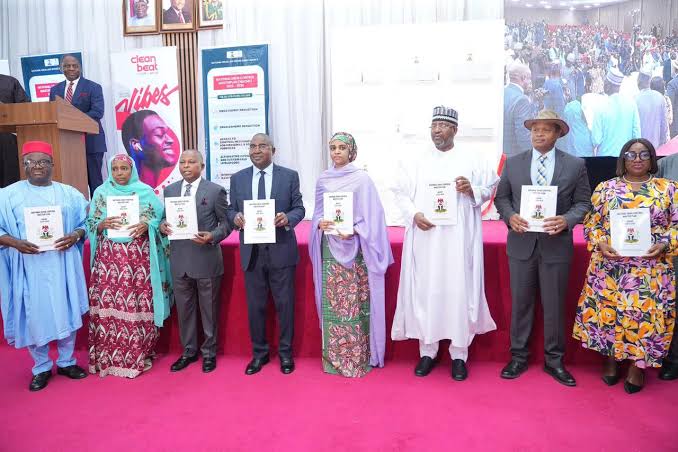
Shettima gave the charge on Monday in Abuja during the official inauguration of the five-year plan, organised by the National Drug Law Enforcement Agency (NDLEA).
Represented by the Special Adviser to the President on Special Duties in the Office of the Vice-President, Dr Modibbo Aliyu Umar, he described drug control as a national priority with implications for public health, security, economic development and the protection of young people.
He said Nigeria could not secure its future without addressing the drug challenges affecting the people expected to drive its development.
Six pillars to guide national drug control efforts
The Vice-President said an effective response required more than arrests and enforcement operations. He called for a coordinated approach combining prevention, treatment, supply reduction and action against the financial networks sustaining illicit drug markets.
He identified six pillars of the master plan:
-
Supply reduction.
-
Drug demand reduction and access to controlled medicines for scientific and medical purposes.
-
Alternative development and sustainable livelihoods.
-
Disruption of the illicit drug economy.
-
Governance and coordination.
-
Financing and institutional accountability.
Shettima said these areas required sustained cooperation among government institutions, communities, security agencies and development partners.
He also commended the NDLEA leadership under its Chairman and Chief Executive, retired Brig.-Gen. Buba Marwa, for introducing an Alternative Development programme, which he said was being piloted in three communities in Ondo State.
The initiative is intended to support alternative livelihood opportunities as part of efforts to reduce dependence on activities connected to illicit drug economies.
He urged state and local governments to take ownership of the programme and support its expansion where appropriate.
Shettima warns against unfunded policy commitments
The Vice-President placed particular emphasis on financing, warning that a national policy without a credible funding arrangement could become little more than a statement of intention.
He directed relevant institutions to incorporate the master plan's priorities into their work plans, budget proposals and implementation schedules.
He also challenged stakeholders to identify the specific responsibilities their institutions must undertake immediately to make the plan effective.
According to him, the success of the initiative should be measured by what changes over the next five years, rather than the inauguration ceremony.
His remarks place responsibility on participating institutions to demonstrate how their activities, resources and performance will contribute to the plan's objectives.
National Assembly pledges legislative support
Chairman of the House of Representatives Committee on Drugs and Narcotics, Abass Adigun, reaffirmed the National Assembly's readiness to provide legislative support for the initiative.
Represented by Dominic Okafor, Adigun said effective oversight, policy advocacy, adequate funding and coordination among relevant agencies would be necessary for successful implementation.
He urged stakeholders to regard drug control as a shared national responsibility requiring cooperation across government and society.
The wife of the Yobe State Governor, Hajiya Hafsat Buni, also pledged partnership and support from her office towards implementing the master plan.
Broad stakeholder participation
The inauguration, held under the theme “Strategic Action for a Drug-Free Nation”, attracted government officials, members of the National Assembly, diplomats, representatives of international organisations, traditional rulers and religious leaders.
Among those represented were the European Union, the United Nations Office on Drugs and Crime (UNODC) and the Economic Community of West African States (ECOWAS).
Representatives of the Inter-ministerial Committee and state and local government drug control committees also attended.
Implementation will determine the plan’s impact
The 2026–2030 master plan provides a framework for coordinating Nigeria's response to drug-related challenges. Its practical value, however, will depend on whether the institutions involved receive adequate resources and establish clear responsibilities and measurable targets.
Prevention programmes, access to treatment, public education, enforcement against trafficking networks and support for sustainable livelihoods will require consistent funding and cooperation across different levels of government.
Regular progress assessments will also be important in determining whether the plan is reaching affected communities and producing measurable results.
For now, the central test is whether the commitments made at the inauguration will translate into practical interventions that protect individuals, strengthen communities and reduce the social and economic consequences of drug abuse and illicit trafficking.
Wakirike Herald
The Voice of Wakirike People Everywhere
Written by
wk-admin
Comments
- Be the first to comment.