Shettima Urges Nigerian States to Exploit Competitive Advantages to Drive Economic Growth
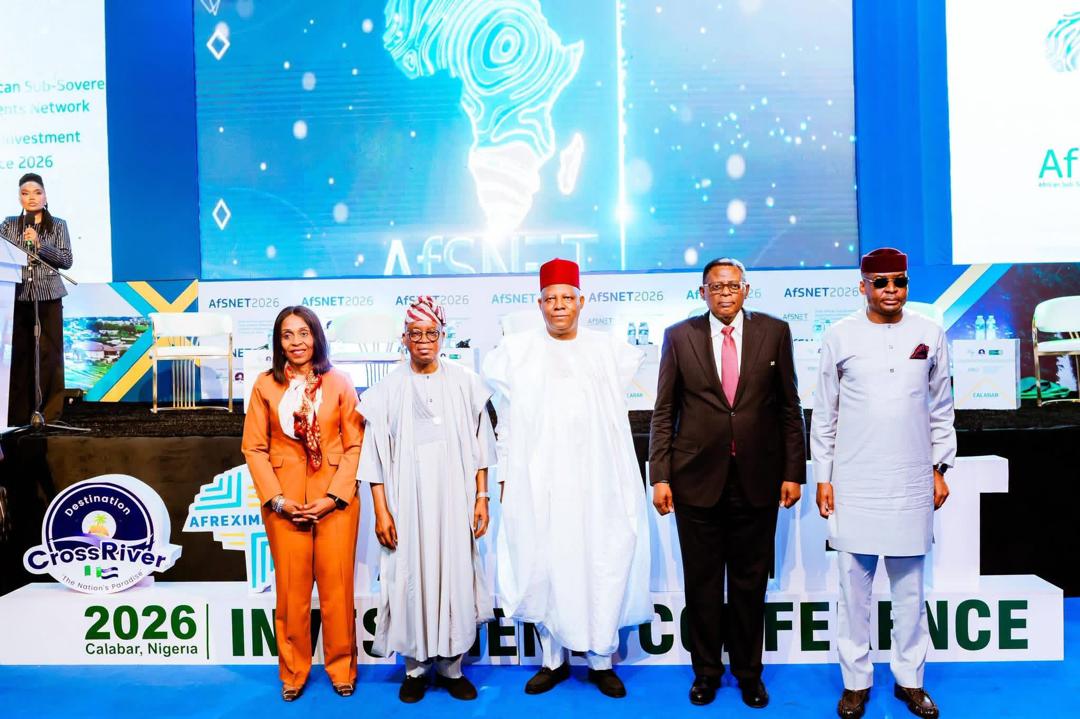
By Wakirike Herald
Vice-President Kashim Shettima has urged state governments across Nigeria to identify and maximise their unique economic strengths to accelerate development, attract private investment and strengthen regional prosperity.
Shettima made the call on Friday, November 13, 2026, during the sixth African Sub-Sovereign Governments Network (AfSNET) Investment Conference 2026 in Calabar, Cross River State.
He stressed that Nigeria's economic transformation would depend significantly on the ability of state governments to convert untapped economic potential into viable investment opportunities.
According to the Vice-President, national economic policies and continental development frameworks can only achieve meaningful results when governments at the state and local levels effectively translate them into practical economic activities.
He explained that roads must connect producers to markets, electricity must support industrial activities, and agricultural resources must be transformed into valuable products capable of generating employment and wealth.
Shettima described states and regions as important economic actors rather than merely administrative divisions, noting that they serve as investment destinations, production centres and gateways to regional and continental markets.
States urged to attract private capital
The Vice-President called for stronger institutional capacity among subnational governments to identify competitive advantages, develop investment-ready projects and establish partnerships capable of delivering measurable economic outcomes.
He maintained that strengthening state governments was essential to expanding economic opportunities and ensuring that communities benefited from development initiatives.
Shettima also emphasised the importance of private-sector participation in driving economic transformation, particularly through investments that support production, infrastructure development and business expansion.
Cross River highlights importance of hosting AfSNET conference
Earlier, Cross River State Governor, Bassey Otu, described the conference as economically and socially significant to the state.
Otu noted that Cross River had become the second Nigerian subnational government to host the event, following Lagos State, which hosted it in 2022.
He recalled that the African Sub-Sovereign Governments Network was established through the facilitation of the African Export-Import Bank (Afreximbank) to promote regional economic integration and strengthen intra-African trade.
According to the governor, the initiative was designed to harness Africa's economic potential while reducing the continent's dependence on external markets.
Governor advocates local processing of African resources
Otu called for greater investment in the processing of agricultural commodities and mineral resources within Africa rather than exporting them in their raw forms.
He identified cash crops and rare earth minerals as important resources that could generate greater economic value through local processing and improved access to African markets.
The governor also stressed the importance of removing barriers to cross-border trade to enable agricultural producers and mining communities to benefit more directly from regional economic activities.
He argued that African farmers and miners should enjoy greater returns from their resources through value addition, industrial development and expanded market opportunities.
Intra-African trade offers opportunities for regional development
The discussions at the conference highlighted the growing importance of subnational governments in advancing Africa's economic integration.
For Nigeria, the call presents an opportunity for states to move beyond dependence on federal allocations by developing economic strategies around their distinctive resources, infrastructure and productive capacities.
However, translating these opportunities into tangible benefits will require reliable electricity, accessible transport networks, transparent investment processes, skilled manpower and policies that encourage private-sector participation.
The broader challenge is to ensure that investment commitments translate into productive industries, employment opportunities and improved livelihoods for communities.
Wakirike Herald
The Voice of Wakirike People Everywhere
Written by
wk-admin
Comments
- Be the first to comment.