SAA Develops Cassava, Potato, Rice Innovation Packages to Strengthen Agricultural Education in Nige
By Wakirike Herald
The Sasakawa Africa Association (SAA) says it has developed innovation packages for cassava, potato and rice to strengthen agricultural education, improve extension services and accelerate the transfer of agricultural technologies to farmers in Nigeria.
The Country Director of SAA Nigeria, Dr Godwin Atser, disclosed this on Wednesday at the close-out workshop of the two-year Strengthening Institutional Framework for Transformative Agricultural Systems in Nigeria (SIFTAS) project in Abuja.
The project was implemented by SAA with funding from German Cooperation (GIZ).
Atser explained that the innovation packages formed part of efforts to strengthen institutional capacity and improve the integration of agricultural technologies into existing education and extension systems.
Strong Institutions Key to Agricultural Transformation
The SAA country director stressed that agricultural transformation required more than the introduction of new technologies, noting that strong institutions, effective policies, skilled personnel and functional extension services were essential to achieving lasting progress.
"Agricultural transformation cannot be achieved through technologies and innovations alone. It requires strong institutions.
"These institutional foundations are what enable innovations to move from research laboratories and demonstration plots into the hands of millions of farmers," he said.
He emphasised that building a resilient, competitive, market-oriented and nutrition-sensitive agricultural sector required sustained collaboration among government agencies, research institutions, universities, development partners and private-sector organisations.
According to him, institutional capacity, innovation, effective coordination and strategic partnerships must remain central to Nigeria's agricultural development efforts.
SIFTAS Focuses on Institutional Capacity and Knowledge Transfer
Atser said the SIFTAS project was designed to strengthen institutional capacities, improve coordination among agricultural stakeholders, promote knowledge exchange and establish mechanisms for sustaining agricultural innovations.
He explained that the initiative enabled participating institutions to identify institutional gaps, exchange experiences and develop practical responses to challenges affecting agricultural development.
He added that SAA's approach focused on strengthening existing systems, empowering local stakeholders and building partnerships capable of sustaining results beyond individual development projects.
The country director urged participating institutions to evaluate the project's impact beyond completed activities and immediate outputs.
He said greater attention should be given to institutional changes, capacities developed, partnerships established and opportunities for sustaining the project's achievements.
According to him, the real measure of institutional strengthening lies in the ability of organisations to continue delivering results after externally funded projects have ended.
Universities, Green Colleges Urged to Sustain Innovation Packages
Atser called on participating institutions to integrate relevant approaches developed under the project into their programmes and budgets, take ownership of the outcomes and maintain the partnerships established during implementation.
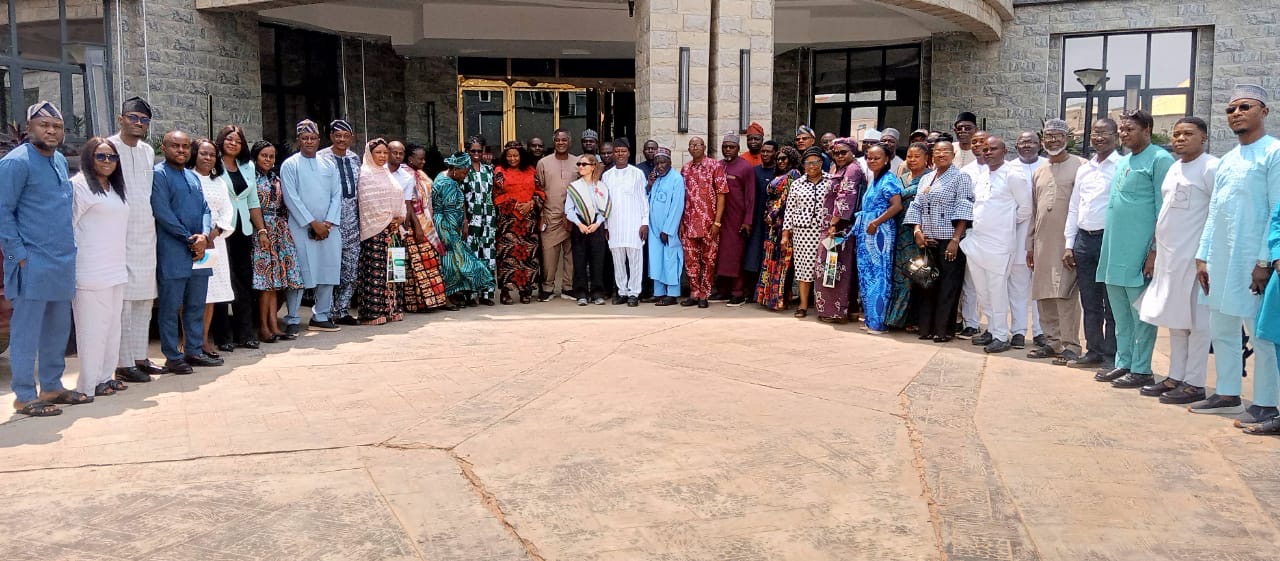
He said the close-out workshop was organised to review the project's achievements, share lessons and identify strategies for sustaining its outcomes.
The meeting also provided an opportunity to examine innovations, institutional partnerships and frameworks developed to incorporate transformative agricultural practices into institutional curricula, teaching and extension services.
Atser commended universities and green colleges for their commitment to integrating the innovation packages into their curricula, describing institutional ownership as essential to ensuring continuity.
He also appreciated GIZ for its financial and technical support, government ministries and agencies for their collaboration, participating institutions for their commitment and the project team for its dedication.
Sustaining Gains Beyond the Project
The completion of SIFTAS marks the end of its two-year implementation period, but the long-term value of the initiative will depend on how effectively participating institutions adopt and sustain the approaches developed.
For Nigerian farmers, particularly those involved in cassava, potato and rice production, stronger agricultural education and extension systems could improve access to practical knowledge, improved production methods and relevant technologies.
However, translating these institutional innovations into widespread benefits will require continued investment, effective coordination and consistent engagement between research institutions, extension personnel and farming communities.
Atser said the completion of the project should provide a foundation for stronger collaboration to consolidate its achievements and translate the lessons learnt into wider agricultural development outcomes.
Wakirike Herald
The Voice of Wakirike People Everywhere
Written by
wk-admin
Comments
- Be the first to comment.