Rivers Trains 60 Community Facilitators to Tackle FGM
By Wakirike Herald
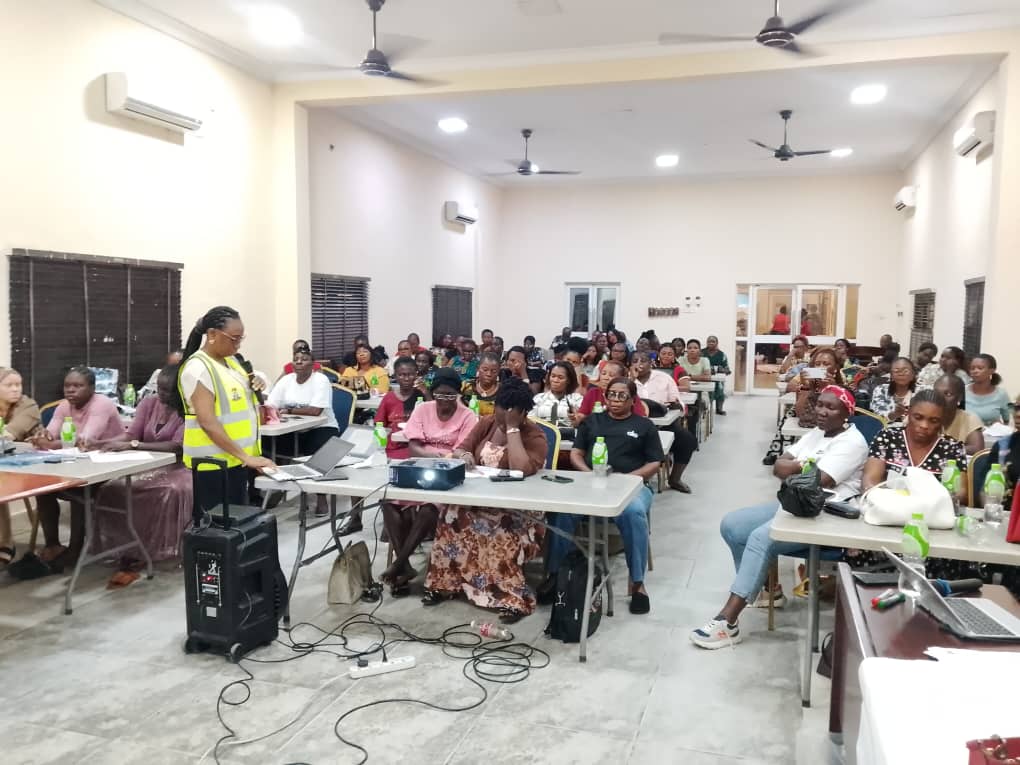
Sixty community facilitators have completed a three-day training in Port Harcourt to strengthen efforts to end Female Genital Mutilation (FGM) in Rivers State, with organisers urging participants to turn the lessons into action in their communities.
The Rivers State Ministry of Health organised the training with support from the United Nations Population Fund and United Nations Children’s Fund Joint Programme on the Elimination of FGM.
Participants were drawn from female youth-led and women-led community-based organisations across Okrika, Ikwerre, Eleme, Ogba/Egbema/Ndoni, Omuma and Oyigbo Local Government Areas.
The programme aims to build a network of 450 Adolescent Gender Champions across 30 communities. Each champion is expected to mobilise 10 peers, creating a further network of 4,500 young people to support community education.
Through these networks, organisers project that the campaign could reach 90,000 female family members across the six councils. That figure represents an intended outreach target, rather than the number of people already reached.
Community Ownership at the Centre
UNICEF’s Child Protection Specialist at its Enugu Field Office, Victor Atuchukwu, challenged the facilitators to take responsibility for advancing the campaign, stressing that lasting change would require leadership from within affected communities.
“Lead the movement, no person is coming to end female genital mutilation for you in your community, only you can,” he said.
Atuchukwu urged survivors, women and people previously involved in carrying out the practice to participate in efforts to end it.
“But as a survivor, as a woman, or a one-time perpetrator, this is the time for all hands to come on deck to end FGM in our communities,” he added.
He said the programme’s goal was to protect children, girls and women from violence and harmful practices.
For communities in Okrika and the other participating councils, the approach places local organisations and young people at the centre of conversations with families, traditional institutions and religious leaders.
Early Changes, but Impact Still to Be Measured
Atuchukwu said implementation began last year in four other communities in Rivers State and that UNICEF was observing positive changes in attitudes, behaviour and practices.
“We are beginning to record change in attitudes, change in behaviours, change in practices and abandoning the negative components of the practices that affect women and girls,” he said.
However, he explained that changes in FGM prevalence would be assessed through subsequent national surveys, including the Multiple Indicator Cluster Survey and the Nigeria Demographic and Health Survey.
His account points to encouraging early observations, but does not establish how much the prevalence of FGM has declined.
Atuchukwu also identified limited awareness as a barrier, saying some participants had not previously recognised certain practices discussed during the training as forms of FGM.
Follow-Up Beyond the Training Room
According to Atuchukwu, organisers have established a follow-up system intended to ensure that participants apply their training.
The arrangements include WhatsApp groups for facilitators, community reports and photographs, and joint supervision involving the Rivers State Ministries of Health, Social Welfare and Rehabilitation, and Justice.
UNICEF and the UNFPA Joint Programme are also expected to undertake community visits to monitor progress.
Earlier, the Health Promotion Officer at the Rivers State Ministry of Health, Dr Mary Obisike, encouraged participants to remain willing to learn and reconsider beliefs and practices that could harm children and communities.
She urged them to put their new knowledge into practice and share it within their respective communities.
Young People and Local Leaders to Drive Outreach
Participants pledged to establish or strengthen adolescent circles and work with Adolescent Gender Champions, parents, traditional rulers and religious leaders to promote the abandonment of FGM.
They described the sessions as interactive, practical and enlightening, commending the presentations and participatory teaching methods.
Alongside Atuchukwu and Obisike, presenters included Lucy Uzodimma-Ogodo, Executive Director of Tomorrow is a Girl; Peace Dike of Virgin Foundation; Inyingi Irimagha, Rivers State Child Protection Network Coordinator; and Ugwochi Agala, Assistant Registrar of the Rivers State Family Court.
The training covered the types and consequences of FGM, adolescent reproductive health, gender concepts, facilitation skills, community dialogue and child protection laws. Practical exercises, group work and demonstrations formed part of the sessions.
The next test will be whether the facilitators can sustain those conversations beyond the training room, reach the intended families and help communities translate greater awareness into protection for girls and women.
Wakirike Herald
The Voice of Wakirike People Everywhere
Written by
wk-admin
Comments
- Be the first to comment.