Rising Cost of Fertiliser, Farm Inputs Threatens Smallholder Farmers and Food Production in Nigeria
By Wakirike Herald
Smallholder farmers across Nigeria are facing increasing difficulties sustaining agricultural production as the rising cost of fertiliser, agrochemicals and other essential farm inputs continues to place pressure on their finances.
The development could worsen the country's food supply challenges if farmers are unable to access the resources required to maintain production and improve agricultural yields.
The Dean of the Faculty of Agriculture, Obafemi Awolowo University, Ile-Ife, Prof. Olufemi Ajayi, raised the concern in an interview with the News Agency of Nigeria (NAN) on Thursday, November 19, 2026, in Lagos.
He warned that the rising cost of agricultural inputs was making it increasingly difficult for smallholder farmers to sustain their operations, describing food security as a fundamental component of national security.
According to him, a country that cannot adequately feed its population will struggle to guarantee other aspects of national stability.
Fertiliser prices stretch farmers' finances
Ajayi identified the high cost of fertiliser as one of the major challenges confronting farmers, noting that many can no longer afford the quantities required for their farms.
He disclosed that a 50-kilogramme bag of fertiliser currently costs approximately ₦50,000.
This means a farmer requiring 10 bags would need about ₦500,000, excluding other production expenses.
He expressed concern that such costs could force smallholder farmers to reduce the quantity of fertiliser they purchase, potentially affecting crop development and overall productivity.
"Imagine a farmer needing 10 bags and having to look for ₦500,000 or more. I mean, it is ridiculous," he said.
The situation presents additional difficulties for farmers who must also finance land preparation, planting, labour, transportation and harvesting.
Adulterated agrochemicals pose additional risks
Beyond rising prices, the agricultural expert expressed concern about the quality of agrochemicals available to farmers.
He warned that farmers who struggle to afford agricultural chemicals could also face the risk of purchasing adulterated products that may not deliver the expected results.
According to him, the combination of expensive inputs and questionable product quality further undermines farmers' ability to achieve satisfactory yields.
Ajayi also identified limited access to agricultural machinery as another obstacle affecting productivity.
He explained that some farmers could no longer afford the chemicals and equipment needed for efficient production, while declining soil quality was creating additional challenges for agricultural output.
Expert calls for subsidies and affordable financing
To address the situation, Ajayi called on the Federal Government and relevant authorities to introduce measures that would make essential agricultural inputs more affordable and accessible.
He specifically advocated subsidies for fertiliser and other critical farm materials, alongside improved access to affordable financing for smallholder farmers.
He also urged regulatory authorities to strengthen monitoring of agrochemical products to prevent the circulation of adulterated and substandard chemicals in the agricultural market.
According to him, improving access to quality inputs would encourage farmers to sustain production and contribute to strengthening Nigeria's food supply.
Food security requires stronger support for farmers
The concerns raised by the agricultural expert highlight the financial pressures facing smallholder farmers, who play an important role in Nigeria's food production system.
When essential inputs become unaffordable, farmers may reduce the size of cultivated land, apply fewer production resources or struggle to maintain previous levels of output.
Such difficulties could have consequences for food availability, market prices and household welfare.
However, addressing the problem will require more than temporary interventions. Transparent fertiliser subsidy programmes, accessible agricultural credit, stronger quality control, improved extension services and investment in appropriate farm machinery are important considerations.
Government support must also reach genuine smallholder farmers, particularly those who lack the financial capacity to compete for scarce agricultural resources.
Ultimately, Nigeria's food security ambitions will depend significantly on the ability of farmers to produce consistently without being overwhelmed by the cost of doing business.
Wakirike Herald
The Voice of Wakirike People Everywhere
SEO and publishing details
SEO Title: Rising Farm Input Costs Threaten Smallholder Farmers in Nigeria
URL Slug: rising-farm-input-costs-smallholder-farmers-nigeria
Meta Description: Rising fertiliser and agrochemical prices threaten smallholder farmers in Nigeria as an expert calls for subsidies, affordable loans and stronger regulation.
Article Description: Agricultural expert Prof. Olufemi Ajayi warns that rising fertiliser, agrochemical and machinery costs could undermine smallholder farming and Nigeria's food security.
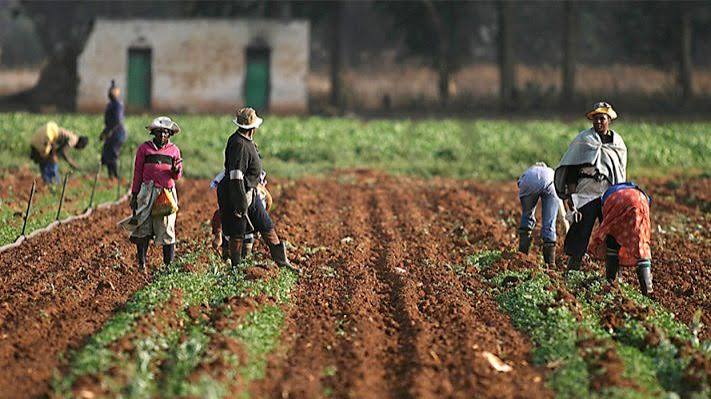
Suggested Image Caption: Smallholder farmers working on farmland. Rising fertiliser, agrochemical and machinery costs are increasing pressure on agricultural production in Nigeria.
Image Credit: Illustrative photograph. Obtain publication rights and confirm the original image source before use.
Written by
wk-admin
Comments
- Be the first to comment.