Plateau Records 5,457 Suspected New Diabetes Cases in Nine Months
By Wakirike Herald
Plateau State has recorded 5,457 suspected new diabetes cases in the first nine months of 2026, highlighting the need for stronger public health interventions, improved screening and wider access to medical care.
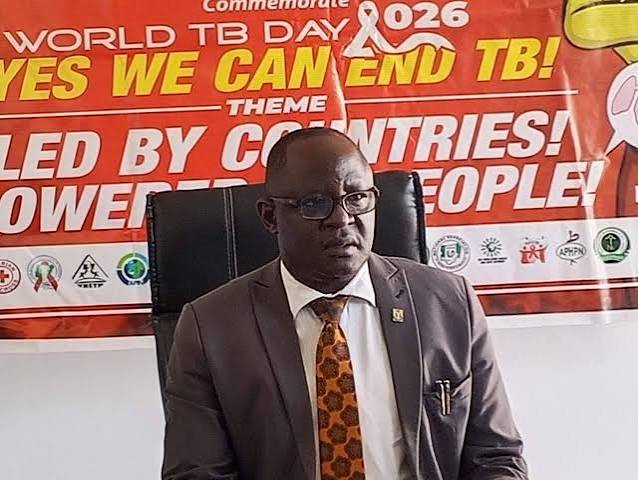
The Commissioner for Health, Dr Nicholas Ba’amlong, disclosed this on Monday, November 16, 2026, during a briefing in Jos to commemorate the 2026 World Diabetes Day.
Ba’amlong explained that the figure was based on routine reports from health facilities and represented suspected cases rather than confirmed diabetes diagnoses.
He added that the state recorded 5,546 suspected new cases throughout 2025, raising concerns about the increasing pressure diabetes could place on the state's healthcare system.
The commissioner warned that many residents might be living with diabetes without knowing their health status, potentially exposing them to serious complications if the condition remains undetected or poorly managed.
Undiagnosed diabetes poses serious health risks
According to Ba’amlong, poorly managed diabetes can lead to severe complications, including blindness, kidney failure, heart disease, stroke and lower-limb amputations.
He also referred to findings from the 2024 nationwide Know Your Number, Control Your Number screening campaign.
The exercise screened 14,359 people in Plateau State, with 2,610, representing approximately 18 per cent, recording elevated blood glucose levels requiring further medical assessment.
However, the commissioner clarified that these results did not represent the prevalence of diabetes in the state.
Rather, he said, they demonstrated the importance of accessible screening, proper diagnosis and timely medical intervention.
Government screens 1,000 civil servants
As part of activities marking the 2026 World Diabetes Day, the Plateau Ministry of Health, in collaboration with the state chapters of the Diabetes Association of Nigeria and the Endocrine and Metabolic Society of Nigeria, organised a free workplace health screening exercise.
Ba’amlong said approximately 1,000 civil servants were screened on November 13 at the State Secretariat.
The exercise covered blood glucose testing, weight and body mass index assessments, blood pressure checks, health education, counselling and referrals where necessary.
He said the initiative was intended to encourage residents to understand their health status and seek medical attention where warning signs were identified.
Screening to extend across 17 local government areas
The commissioner announced plans to expand diabetes awareness and screening services to underserved communities across Plateau's 17 Local Government Areas.
He said the government intended to use existing primary healthcare facilities and community outreach services to improve access to screening and early detection.
The ministry is also exploring partnerships and appropriate medical technologies to strengthen diagnostic services, particularly at the primary healthcare level.
Ba’amlong added that the government would prioritise follow-up services for individuals with elevated blood glucose levels and improve referral tracking to ensure that those requiring further assessment could access diagnosis, treatment and continuous care.
"Screening is only the beginning, early detection must lead to appropriate diagnosis and treatment," he said.
Residents urged to recognise warning signs
The commissioner encouraged residents, particularly those with a family history of diabetes, excess weight or high blood pressure, to check their blood glucose levels regularly.
He identified excessive thirst, frequent urination, unexplained weight loss and persistent fatigue as symptoms that should prompt medical assessment.
He also advised residents to adopt healthier lifestyles through balanced nutrition, regular physical activity, weight management, avoidance of tobacco and limited alcohol consumption.
People already living with diabetes were urged to follow prescribed treatment plans and attend regular medical reviews.
Beyond awareness, access to continuous care matters
The latest figures underline the importance of strengthening diabetes prevention and management across Plateau State and Nigeria generally.
While public screening campaigns can help identify people who may require further medical assessment, their effectiveness depends on accessible diagnostic services, affordable medicines, professional medical support and consistent follow-up.
The planned expansion of screening to underserved communities could improve early detection, particularly among residents who face difficulties accessing healthcare facilities.
However, the state government will need to ensure that people identified through these exercises are not left without the necessary confirmatory tests, treatment and continuing medical attention.
World Diabetes Day is observed annually on November 14 to raise awareness about diabetes, its prevention, early detection and management.
Wakirike Herald
The Voice of Wakirike People Everywhere
Written by
wk-admin
Comments
- Be the first to comment.