Philanthropist Donates Borehole, Solar Street Lights to Sokoto Girls’ School
By Wakirike Herald
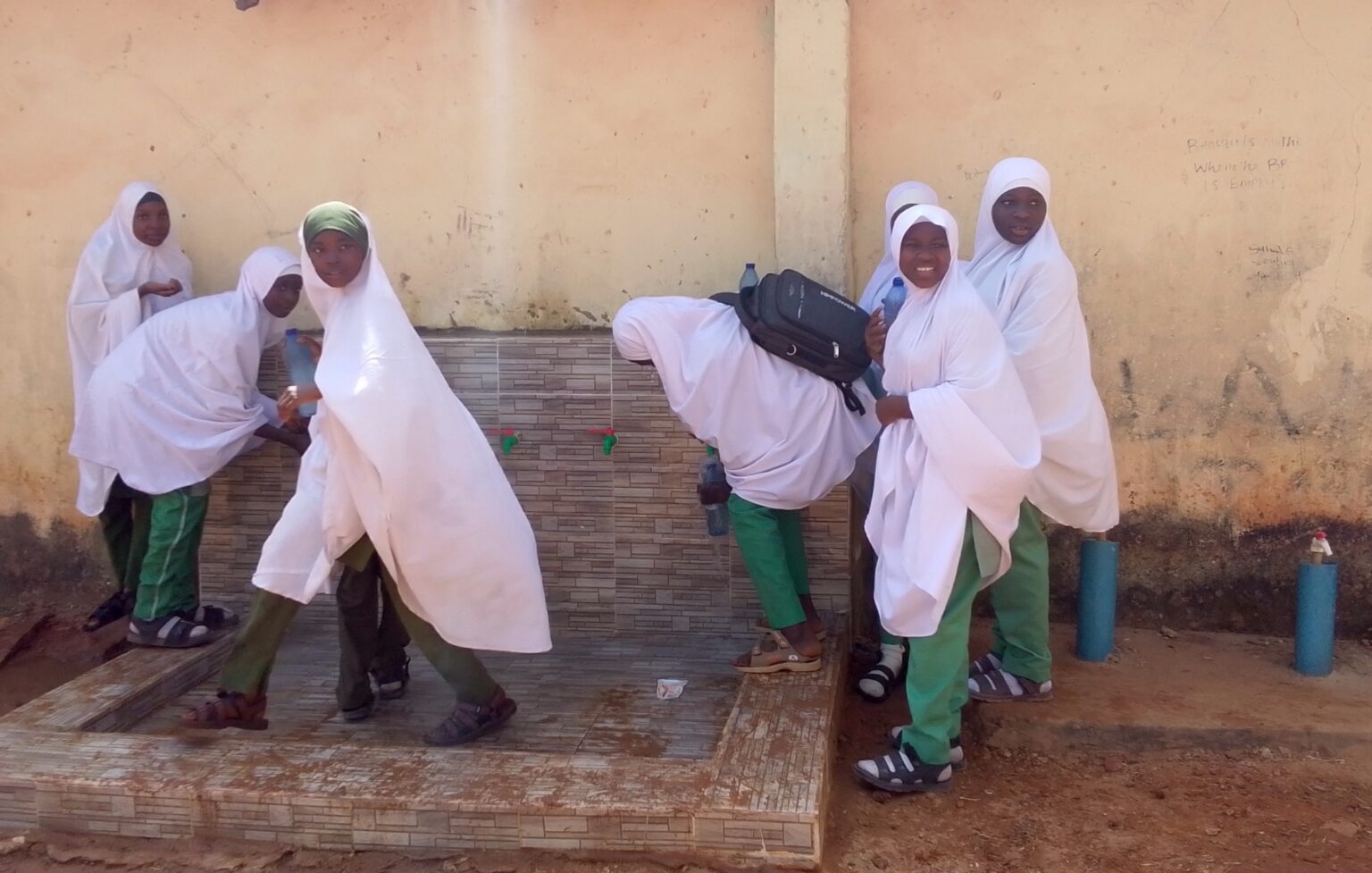
A philanthropist, Alhaji Ahmad Lula, has donated a borehole, a water reticulation system and solar-powered street lights to Government Girls Day Arabic Secondary School, Yar’Akija, in Sokoto North Local Government Area of Sokoto State.
The facilities were inaugurated on Thursday by the state Commissioner for Basic and Secondary Education, Prof. Ladan Ala, in Sokoto.
Lula said the intervention was designed to address persistent water shortages at the school, improve sanitation and hygiene, and reduce students’ dependence on potentially unsafe water sources.
He explained that the project was conceived in response to the needs of the growing school population, particularly the importance of reliable access to potable water and improved security within the premises.
Water Infrastructure to Ease Daily Challenges
According to Lula, the donated facilities include a 50,000-litre storage tank, a generator set, a water pumping system and a reticulation network designed to distribute water to strategic locations across the school.
He said the intervention was intended to address essential needs within the institution, adding that healthy, peaceful and economically productive communities contributed to national security, stability and development.
Lula also expressed hope that improved water access and attention to girls’ specific hygiene needs would encourage school enrolment and create a more conducive learning environment.
He urged the school management to take ownership of the facilities, prevent vandalism and ensure regular maintenance to preserve their usefulness.
Community Consultations Identified Water as Priority
The Sokoto State Chairman of Ward Development Committees (WDC), Dr Bala Gadanga, said the project followed consultations with community representatives and an assessment of the school’s most pressing needs.
Gadanga explained that community representatives had engaged with the United Nations Children’s Fund (UNICEF), during which they highlighted challenges relating to water supply, hygiene and other school facilities.
He said access to potable water emerged as the most urgent concern.
According to him, the WDC and the ‘Yar’Akija Community Forum facilitated the community engagement that helped shape the intervention.
Gadanga described Lula as a son of the community who had demonstrated interest in improving residents’ wellbeing.
He added that the original proposal was subsequently developed into a more comprehensive water supply system incorporating motorised pumping equipment, a storage tank and a distribution network.
He commended the donor and encouraged other individuals with the means to support projects addressing pressing community needs.
Commissioner Calls for Proper Maintenance
Commissioner Ala described the intervention as life-saving and urged the school authorities to establish an effective management structure for the facilities.
He stressed the need to protect and maintain the borehole, pumping equipment, storage tank, pipelines and distribution points against vandalism and neglect.
The commissioner’s appeal highlights the importance of maintenance arrangements in ensuring that donated infrastructure continues to serve students and the wider community beyond its inauguration.
School Community Welcomes Improved Water Access
The school principal, Hajiya Shafa’atu Balarabe, said access to potable water would improve living conditions for students and could also benefit neighbouring households.
She appealed to teachers and residents to protect the facilities for present and future generations.
A teacher responsible for supervising water use at the school, Malam Nura Umar-Yasayyadi, said the project would ease the difficulties previously faced by the institution.
He explained that the school routinely purchased water in jerrycans from vendors to meet its daily needs.
The new infrastructure is expected to reduce that dependence, although its long-term benefits will depend on the reliability of the water source, the operation of the pumping system and consistent maintenance.
Reliable Water Supply Matters for Girls’ Education
Access to safe water and adequate sanitation is essential to students’ health, dignity and ability to participate fully in school activities. For girls, reliable water access is particularly important for personal hygiene and the management of menstrual health.
The addition of solar-powered street lights may also improve visibility around the school premises, although the extent of the security benefits will depend on their placement, maintenance and continued operation.
The project represents a community-focused response to a practical educational challenge. Its lasting value will be measured by whether students can consistently access water, whether the facilities remain functional and whether the school can reduce the recurring costs associated with buying water from vendors.
Wakirike Herald
The Voice of Wakirike People Everywhere
Written by
wk-admin
Comments
- Be the first to comment.