Pate Calls for Harmonised Health Training Standards Across ECOWAS Countries
By Wakirike Herald
The Federal Government has called for harmonised health education and professional training standards across Economic Community of West African States (ECOWAS) member countries to strengthen regional integration and improve healthcare delivery.
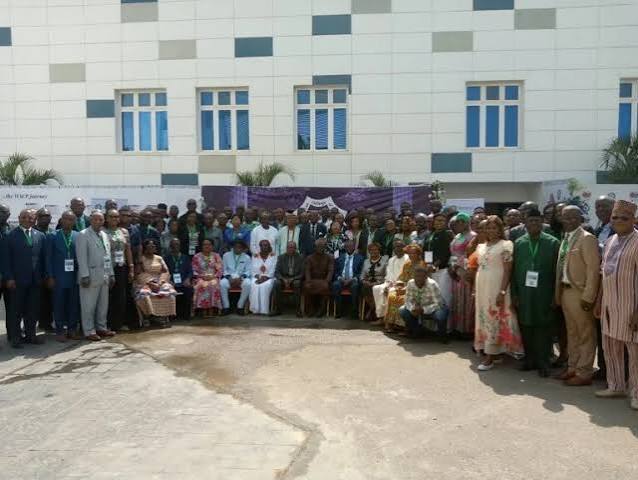
The Coordinating Minister of Health and Social Welfare, Prof. Muhammad Pate, made the call on Monday in Abuja at the Integration Meeting of Accredited West African Colleges, Training Institutions and Regulatory Bodies in the ECOWAS region.
Pate, who was represented by Nigeria's Liaison Officer to the West African Health Organisation (WAHO) and African Union at the ministry, Dr Dakum Londji, said diseases did not respect national boundaries and that healthcare solutions, knowledge and professionals should also move more freely across the region.
He stressed that effective healthcare systems depended on competent professionals supported by quality education, standardised training and reliable accreditation frameworks.
According to him, differences in curricula, professional training requirements and accreditation procedures across countries have limited the movement of health workers, affected quality assurance and restricted employment opportunities for qualified professionals.
Common Standards to Improve Professional Mobility
Pate said the meeting provided an opportunity for ECOWAS member states to address these challenges by developing common standards of excellence while taking account of individual countries' national circumstances.
He identified harmonisation of curricula and training standards, mutual recognition of qualifications, professional mobility, quality assurance and accountability as major priorities.
The minister called on member states to agree on core competencies, minimum training requirements and common accreditation criteria for health colleges and other educational institutions.
He noted that mutual recognition of qualifications would enable doctors, midwives and other healthcare professionals trained in one ECOWAS country to practise in another without unnecessary barriers, subject to agreed professional requirements.
“Member states must agree on core competencies, minimum training standards and common accreditation criteria for health training colleges and educational institutions.
“Mutual recognition of qualifications will enable doctors, midwives and other health professionals trained in one ECOWAS country to practise confidently and credibly across the region,” he said.
Stronger Regulation and Quality Assurance
Pate also advocated closer cooperation among professional regulatory bodies to strengthen information sharing, enforce ethical standards and ensure that graduates possessed the necessary skills and professional competence.
He emphasised that harmonisation should not only facilitate the movement of health workers but also guarantee that patients across the region received quality and reliable healthcare services.
According to him, collaboration among regulatory institutions would help strengthen accountability and ensure that health professionals were competent, compassionate and fit to practise.
Nigeria Highlights Ongoing Health Sector Reforms
The minister said the initiative aligned with the Federal Government's Renewed Hope Agenda and ongoing health sector reforms, which prioritise improvements in professional training institutions, accreditation and regulation.
He added that Nigeria was also promoting digital learning and innovation to strengthen health education and improve the quality of healthcare delivery.
Pate described regional integration in health professional education as a necessity rather than an option, urging stakeholders to move beyond discussions and adopt practical decisions supported by clear implementation timelines.
He called for a comprehensive roadmap that would define responsibilities, establish common standards and guide the implementation of agreed reforms across member states.
WAHO, ECOWAS Stakeholders Commended
The minister commended the West African Health Organisation (WAHO), the ECOWAS Commission, professional regulatory bodies, training institutions and development partners for their contributions to strengthening health professional education across the region.
He expressed optimism that the meeting would produce actionable recommendations capable of advancing cooperation, improving training standards and facilitating professional mobility.
If successfully implemented, the proposed harmonisation could help address differences in health workforce training across West Africa, expand opportunities for qualified professionals and strengthen cooperation in responding to regional health challenges.
For millions of people across the ECOWAS region, the ultimate test will be whether these agreements translate into better-trained health workers, improved access to medical services and stronger healthcare institutions.
Wakirike Herald
The Voice of Wakirike People Everywhere
Written by
wk-admin
Comments
- Be the first to comment.