Open Defecation, Leaking Sewage Threaten Public Health and Economic Development, NEWSAN Warns
By Wakirike Herald
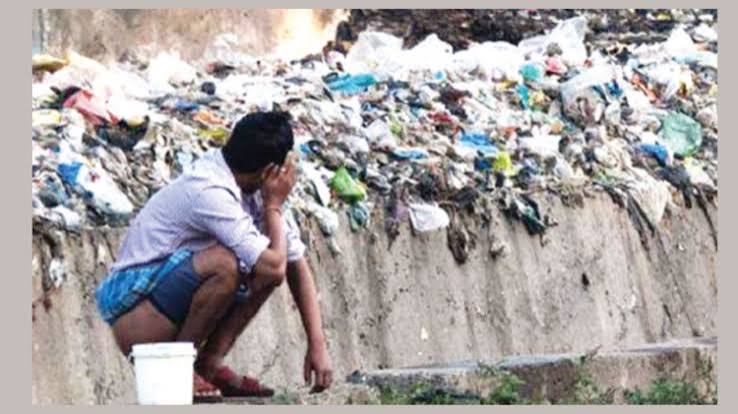
The Network of Civil Society Organisations on Water and Sanitation (NEWSAN) has warned that open defecation and leaking sewage systems pose serious risks to public health, environmental protection and Nigeria's economic development.
The organisation's National Coordinator, Mr Attah Benson, raised the concern on Thursday, November 19, 2026, during an interview with the News Agency of Nigeria (NAN) to mark World Toilet Day.
Benson said improper disposal of human waste contaminates water, air and other environmental resources, exposing communities to preventable diseases and undermining residents' quality of life.
He stressed that the consequences extend beyond individual health, affecting household finances, business activities, productivity and the wider economy.
Poor Sanitation Increases Disease Risks and Household Costs
According to Benson, sanitation-related diseases can impose significant financial pressure on families, particularly when illness prevents household members from working or operating their businesses.
He identified cholera as a major public health threat associated with faecal contamination, warning that severe diarrhoea and vomiting could lead to dangerous complications if not promptly managed.
He also noted that poor sanitation could discourage investment and tourism because businesses and visitors might avoid communities perceived to be vulnerable to disease outbreaks.
Beyond human health, Benson warned that contamination could affect livestock, agricultural produce and surrounding ecosystems, with environmental pressures potentially becoming more complicated under changing climatic conditions.
Leaking Sewage Systems Create Hidden Health Hazards
The NEWSAN coordinator identified leaking sewage infrastructure as another serious challenge requiring urgent government attention.
He explained that contaminated waste could be transferred from roads into residential buildings through footwear and vehicle tyres, creating exposure risks within households.
Children, particularly those who crawl or play on household floors, could be exposed to contaminated surfaces and disease-causing organisms.
Benson called on federal, state and local governments to strengthen the monitoring, inspection and maintenance of sewage infrastructure to prevent leakages and environmental contamination.
He urged relevant agencies to regularly inspect drainage systems, clear blocked channels and manholes, and ensure the proper movement and disposal of sewage.
He also condemned the discharge of faecal waste through road manholes, insisting that human waste should never be released into the open environment.
“People tend to undermine sanitation standards by exposing faecal matter to the environment, but this has serious public health implications,” he said.
NEWSAN Calls for Faster Government Response
Benson urged residents to report sewage leakages and other sanitation-related problems to the appropriate authorities.
However, he stressed that reporting mechanisms would only be effective if responsible agencies responded quickly and avoided unnecessary bureaucratic delays.
He said sanitation emergencies required immediate attention, particularly where leaking sewage posed a direct threat to residents and surrounding communities.
The coordinator disclosed that NEWSAN brought together more than 300 organisations working in Nigeria's water and sanitation sector and collaborated with development partners to support government interventions.
The organisation called for stronger institutional coordination and consistent investment in sanitation infrastructure as part of efforts to protect public health.
World Toilet Day Highlights Sanitation and Human Dignity
World Toilet Day is observed annually on November 19 to draw attention to the global sanitation crisis and accelerate progress towards Sustainable Development Goal 6, which seeks universal access to water and sanitation.
The 2026 campaign theme, “Safe Toilets. Equal Futures”, highlights the relationship between safe sanitation, gender equality and human dignity, particularly the need for women and girls to have access to functional and secure toilet facilities.
According to figures attributed to UN-Water in the report, approximately 3.4 billion people worldwide still lack safely managed sanitation services, while 354 million continue to practise open defecation.
The observance was established by the World Toilet Organisation in 2001 and became an official United Nations day in 2013.
Sanitation Must Become a Public Infrastructure Priority
Nigeria's sanitation challenges require more than occasional clean-up exercises and public awareness campaigns. They demand reliable sewage systems, properly maintained drainage infrastructure, accessible toilets and effective waste management.
For coastal and riverine communities, including those across the Niger Delta, poor sanitation and improper waste disposal can also threaten waterways, fishing livelihoods and the ecosystems on which many households depend.
Government agencies must therefore treat sewage management as an essential public service, supported by regular inspections, transparent maintenance programmes and prompt responses to reported leakages.
The warning from NEWSAN reinforces a basic public health principle: safe sanitation is not a luxury. It is essential to protecting lives, preserving the environment and building healthier communities.
SEO and Publishing Details
SEO Title: Open Defecation and Sewage Leaks Threaten Public Health, NEWSAN Warns
URL Slug: open-defecation-sewage-leaks-public-health-newsan
Meta Description: NEWSAN warns that open defecation and leaking sewage threaten public health, urging Nigerian governments to improve sanitation infrastructure.
Article Description: NEWSAN has warned that open defecation and leaking sewage systems expose Nigerians to disease, environmental contamination and economic hardship, calling for stronger sanitation infrastructure and government action.
Suggested Image Caption: A sanitation awareness campaign highlighting the importance of safe toilets, proper sewage disposal and environmental protection.
Image Credit: Illustrative image. Publication rights should be confirmed before use.
Wakirike Herald
The Voice of Wakirike People Everywhere
Written by
wk-admin
Comments
- Be the first to comment.