Nigeria Urged to Harness Digital Infrastructure to Expand Economic Opportunities
By Wakirike Herald
Nigeria has been urged to maximise its growing digital infrastructure to accelerate economic development, improve business activities and expand access to financial services across the country.
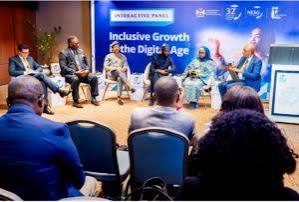
The call was made by digital public infrastructure expert Robert Karanja during an interview with the News Agency of Nigeria (NAN) on Friday in Balaclava, Mauritius, on the sidelines of the launch of the 2026 State of Inclusive Instant Payment Systems (SIIPS) in Africa Report.
Karanja, who is the founder of DPI4Africa, said Nigeria had made considerable progress in digital payments, identity management and data exchange, providing a foundation for expanding technology-driven economic activities.
He noted that the country's experience in developing inclusive digital payment systems offered useful lessons for other African nations seeking to build digital infrastructure that supports economic growth.
Digital Payments Offer Opportunities for Economic Growth
Karanja identified Nigeria's instant payment infrastructure, operated by the Nigeria Inter-Bank Settlement System (NIBSS), as an important achievement in the country's digital transformation.
He said improvements in digital identity management and data exchange could further strengthen the economy if effectively integrated with existing payment systems and other digital services.
According to him, the real value of digital public infrastructure should be measured by its impact on people's livelihoods and economic activities rather than simply the number of individuals registered on digital platforms.
He argued that effective digital infrastructure should enable businesses to reach more customers, facilitate transactions, improve access to markets and create opportunities beyond major urban centres.
Internet Costs and Electricity Remain Major Challenges
Despite the progress recorded, Karanja identified the affordability of internet connectivity, mobile data and electricity as significant obstacles preventing many Nigerians from benefiting fully from digital services.
He said addressing these challenges would require sustained investment in supporting infrastructure and policies that make digital platforms accessible to individuals, businesses and underserved communities.
He also emphasised the importance of stronger collaboration between government and private sector institutions in developing and deploying digital public infrastructure.
According to him, technology investments would deliver greater economic value when they respond to the practical needs of businesses and ordinary citizens.
Private Sector Coalition Seeks Greater Investment
Karanja also highlighted the role of the Africa Digital Public Infrastructure Private Sector Coalition, which he leads.
He explained that the coalition brings together major financial institutions, telecommunications companies and financial technology businesses to strengthen private sector participation in developing digital infrastructure across Africa.
He disclosed that the initiative had attracted eight major institutions and was targeting 20 members.
Its priorities include promoting investment, developing practical applications and encouraging wider adoption of digital public infrastructure.
Nigeria is already represented in the initiative, with the Nigeria Inter-Bank Settlement System among the participating institutions.
Karanja said stronger private sector involvement would help ensure that digital infrastructure development was guided by real economic needs and supported by practical business applications.
Measuring Digital Transformation Beyond Registration Figures
The expert further urged Nigeria to adopt broader indicators for measuring the economic impact of digital infrastructure.
He said the number of people registered on digital platforms should not be the only measure of progress.
Instead, he identified the growth of small businesses, increased commercial transactions, improved access to markets and expanded opportunities for rural communities as more meaningful indicators.
He maintained that digital services should make it easier for entrepreneurs to conduct business, reach customers and participate in the wider economy.
Digital Inclusion Must Translate into Better Livelihoods
Karanja's recommendations highlight the growing importance of digital infrastructure in shaping Nigeria's economic future.
For small businesses, entrepreneurs and underserved communities, affordable connectivity, reliable electricity and accessible financial technology could create opportunities to participate more actively in the digital economy.
However, achieving these benefits will require coordinated investments, effective policies and stronger partnerships between government and private institutions.
Ultimately, Nigeria's digital transformation should be measured not simply by technological advancement but by how effectively it improves livelihoods, expands economic participation and creates opportunities for citizens across the country.
Wakirike Herald
The Voice of Wakirike People Everywhere
Written by
wk-admin
Comments
- Be the first to comment.