Nigeria Mourns Veteran Actor Pete Edochie at 79, Musawa Hails Him as Cultural Icon
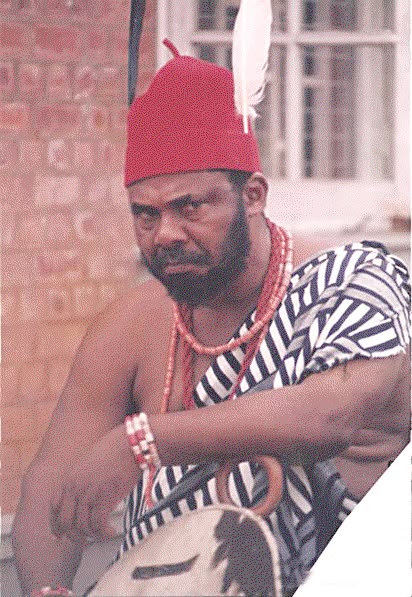
By Wakirike Herald
Nigeria’s creative industry has been thrown into mourning following the reported death of veteran Nollywood actor Pete Edochie, with the Minister of Art, Culture, Tourism and the Creative Economy, Hannatu Musawa, describing him as a national treasure and an outstanding custodian of African culture.
Edochie reportedly died on Wednesday at the age of 79.
In a condolence message issued through her Special Assistant on Media and Publicity, Nneka Anibeze, Musawa expressed shock and sadness over the loss, describing the actor as an iroko whose influence extended far beyond the Nigerian film industry.
“This is a painful loss, not only for his family and the creative industry, but for the entire nation. An iroko has fallen,” the minister said.
A defining figure in African storytelling
Musawa described Edochie as an exceptional actor, broadcaster, cultural ambassador, teacher and father figure whose contribution to Nigerian entertainment would be difficult to replace.
She particularly highlighted his celebrated interpretation of Okonkwo in the television adaptation of Chinua Achebe’s literary classic, Things Fall Apart.
The minister said the performance brought Achebe’s iconic character to life for audiences across the world and became one of the most memorable portrayals in African screen storytelling.
Through his commanding performances as traditional rulers, fathers and community elders, Edochie helped bring indigenous expressions, proverbs, values and cultural traditions to a wider audience.
Musawa said he represented the dignity and identity of African society and carried Nigeria's cultural heritage to screens across Africa and beyond.
A lifetime devoted to culture and tradition
The minister also remembered Edochie as a lover of tradition who consistently projected African identity through his work.
His distinctive screen presence and authoritative delivery made him a familiar figure in Nigerian entertainment, particularly in productions that explored traditional institutions, family relationships and community life.
For generations of viewers, his performances became associated with the portrayal of authority, wisdom, discipline and cultural continuity.
His influence also extended to younger actors and creative professionals who drew inspiration from his career and approach to storytelling.
Death coincides with national cultural festival
Musawa observed that Edochie's reported death came at a particularly poignant moment, as Nigeria was gathered in Enugu for the 2026 National Festival of Arts and Culture (NAFEST).
She described the coincidence as a solemn reminder of the actor's enduring connection to the cultural heritage he spent much of his life promoting.
“That he departed in Enugu, in the heart of the land he loved and served, while Nigeria celebrates its culture, is a solemn reminder of his enduring connection to our heritage,” she said.
She added that his legacy would continue through Nigerian films, indigenous languages, theatre and the many young creatives he inspired.
Condolences to family and Nollywood
Musawa extended condolences to Edochie's wife, Josephine, his children, including Leo Edochie, members of his extended family and the people of Nteje in Anambra State.
She also commiserated with the government and people of Enugu State, the Actors Guild of Nigeria and the wider Nollywood community.
The minister assured that the Federal Government would recognise and preserve his contributions to the country's arts, culture and national identity.
A legacy beyond the screen
Pete Edochie's career represented an important chapter in Nigeria's cultural and entertainment history. His performances helped bring indigenous storytelling traditions to television and film audiences while giving international visibility to characters shaped by African literature and social experience.
His portrayal of Okonkwo remains particularly significant because it connected a globally recognised literary work with a memorable screen performance.
As tributes emerge from across the country, his reported passing leaves a profound absence in an industry where he occupied a distinctive place as an actor and cultural figure.
His work, however, remains part of the enduring record of Nigerian storytelling and the generations of audiences who encountered African history, identity and tradition through his performances.
Wakirike Herald
The Voice of Wakirike People Everywhere
Written by
wk-admin
Comments
- Be the first to comment.