NEDC Begins Electric Vehicle Sensitisation, Targets 10,000 Tricycles Across North-East
By Wakirike Herald
The North-East Development Commission (NEDC), in collaboration with Attahiru Enterprise Limited, has commenced a sensitisation programme for transport stakeholders on electric mobility as part of efforts to promote cleaner, more affordable and sustainable transportation across the region.
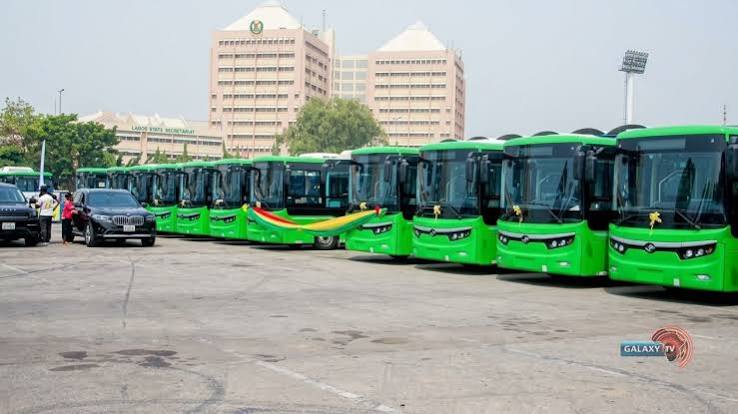
The initiative is expected to facilitate the distribution of 10,000 electric tricycles, 300 electric taxis and 30 electric buses across the six states of the North-East.
The programme was disclosed during a two-day stakeholder sensitisation workshop on electric mobility held in Maiduguri, Borno State, on Friday, November 20, 2026.
Speaking at the workshop, Mr Bunu Abatcha, a consultant with Attahiru Enterprise Limited, said the sensitisation exercise, which began in Taraba State, was being extended to other states to familiarise stakeholders with the vehicles, their operational requirements, charging capacities and maintenance procedures.
Rural communities and urban transport in focus
Abatcha explained that the electric tricycles would initially be deployed to rural communities, while the electric buses and taxis would serve metropolitan areas.
He disclosed that some of the electric vehicles could travel up to 300 kilometres on a full charge, while electric tricycles could have a lifespan of up to 10 years with proper maintenance.
He emphasised the importance of training beneficiaries to ensure that the vehicles were operated correctly and maintained effectively.
The proposed distribution could create new transportation opportunities for operators while potentially reducing dependence on conventional fuel-powered vehicles.
However, the actual benefits will depend on the availability of charging facilities, affordable maintenance services, replacement parts and reliable electricity supply.
Three-phase implementation strategy
Mr Moda Emmanuel, a facilitator at the workshop, said the initiative aligned with President Bola Tinubu's electric mobility and renewable energy agenda, which seeks to reduce transportation costs and carbon emissions while strengthening energy security.
He explained that the programme would be implemented in three phases: sensitisation, training, and research and maintenance support.
According to him, security agencies, transport unions, government mechanical workshops and engineering firms were being engaged to establish the necessary operational and maintenance arrangements.
The involvement of these institutions is expected to support the long-term operation of the vehicles and address technical challenges that may arise during implementation.
Transport unions seek fair distribution
Transport stakeholders in Borno State have welcomed the initiative while emphasising the importance of fairness and consideration of local transportation needs.
The Borno Chairman of the Nigeria Union of Road Transport Workers (NURTW), Alhaji Abba Shuwa, urged the commission to consider the state's population and transportation demands when allocating the vehicles.
He stressed the need for an equitable distribution that would ensure communities across the state benefit from the programme.
Similarly, the Borno Chairman of the Road Transport Employers Association of Nigeria (RTEAN), Mr Adamu Bulama, said the union was preparing its members for the initiative.
Bulama expressed optimism that the selection of beneficiaries would be transparent and fair.
Infrastructure and accountability will determine success
The proposed introduction of electric vehicles across the North-East represents an opportunity to expand transportation options and encourage cleaner mobility.
Nevertheless, the success of the initiative will depend on more than the number of vehicles distributed.
Adequate charging infrastructure, clear beneficiary-selection criteria, access to technical support, battery replacement arrangements and transparent management will be essential to achieving its objectives.
The commission will also need to clarify the distribution timetable, funding arrangements and maintenance responsibilities to ensure that the vehicles remain operational beyond their initial deployment.
For transport operators and commuters, the real measure of success will be whether the initiative translates into lower operating costs, improved transportation services and more accessible mobility across the region.
Wakirike Herald
The Voice of Wakirike People Everywhere
Written by
wk-admin
Comments
- Be the first to comment.