Libya Faces 365,000-Barrel Daily Oil Production Losses After Pipeline Disruptions
By Wakirike Herald
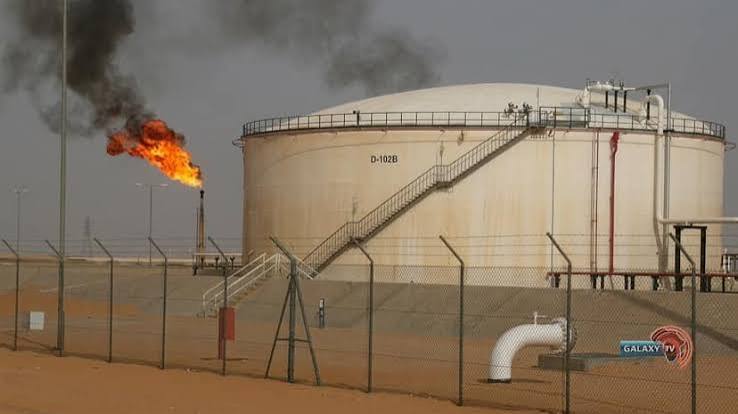
Libya is facing potential daily oil production losses of approximately 365,000 barrels following disruptions to two major crude oil pipelines, raising fresh concerns about the country's oil revenue and economic stability.
The National Oil Corporation (NOC) disclosed the development on Monday, November 23, 2026, warning that the latest disruption involving the Sharara oil field pipeline could significantly affect national crude oil output.
According to the corporation, the immediate disruption followed the closure of a valve on the pipeline transporting crude oil from the Sharara oil field, operated by Akakus Oil Operations.
The NOC warned that the action could result in production losses of approximately 350,000 barrels per day.
Two Pipeline Disruptions Affect Oil Production
The latest incident comes amid the continued shutdown of the Hamada pipeline, which has reportedly remained out of operation for more than two weeks.
The NOC said the disruption to the Hamada pipeline was already costing the country approximately 15,000 barrels of oil production daily.
Combined with the latest Sharara pipeline incident, the two disruptions could bring Libya's estimated daily production losses to approximately 365,000 barrels.
The corporation warned that the situation could place additional pressure on the country's economy, particularly amid rising international oil prices and existing domestic economic challenges.
Sharara Oil Field Critical to Libya's Economy
The Sharara oil field, located in the Murzuq Basin in southwestern Libya, is the country's largest oil field and a major contributor to national crude oil production.
Its output plays an important role in sustaining Libya's petroleum industry, which remains the principal source of government revenue and foreign exchange earnings.
Disruptions affecting the field therefore carry consequences beyond the immediate reduction in oil production, potentially affecting public finances and the country's capacity to meet economic obligations.
Pipeline Closures Raise Fresh Economic Concerns
The latest developments highlight Libya's continued vulnerability to disruptions in its oil infrastructure.
With crude oil revenue central to government finances, prolonged interruptions to production and transportation could intensify economic difficulties and create additional uncertainty for the country's energy sector.
The duration of the latest disruption and the timeline for restoring normal operations remain important questions.
For Libya, resolving the pipeline problems and protecting critical petroleum infrastructure will be essential to limiting further production losses and safeguarding its principal source of national income.
Wakirike Herald
The Voice of Wakirike People Everywhere
Written by
wk-admin
Comments
- Be the first to comment.