Kano Hospitality Institute Trains 340 Youths, Seeks Better Facilities to Expand Skills Development
By Wakirike Herald
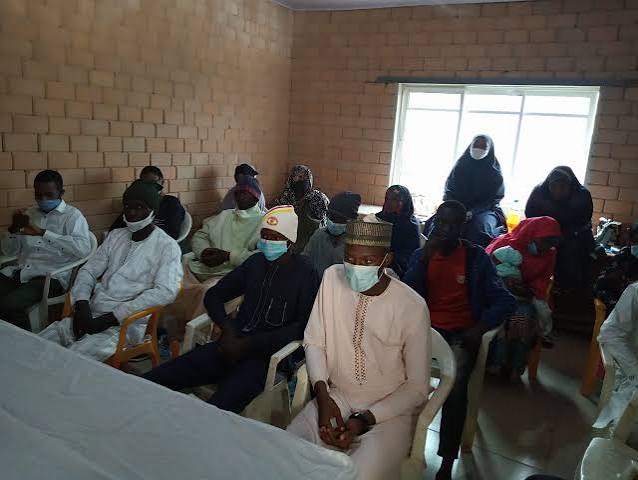
KANO, November 24, 2026 – The Kano Hospitality and Tourism Institute has trained 340 young people in various vocational skills aimed at promoting self-employment, reducing poverty and improving employment opportunities, but says inadequate infrastructure and equipment remain major obstacles to expanding its operations.
The Director and Centre Manager of the institute, Shema’u Muhammad, disclosed this in an interview with the News Agency of Nigeria (NAN) in Kano on Tuesday.
According to Muhammad, the trainees comprised 200 sponsored by the Kano State Government, 120 by the Federal Ministry of Education and 20 by the Industrial Training Fund (ITF).
She explained that the institute was established to equip young people with practical skills that would enable them to establish businesses or secure employment in the hospitality and tourism sectors.
“Our main target is to train the youth to be self-employed, although they can also become employable if they wish. The idea is to alleviate poverty,” she said.
Nine Vocational Areas Available for Training
The institute currently provides training in cookery, baking, garment making, leatherwork, event planning, photography, laundry, housekeeping and restaurant services.
Muhammad said the programmes were predominantly practical, with classroom instruction combined with hands-on activities to ensure that participants acquired relevant professional competencies.
She maintained that trainees were expected to meet the required standards before completing their programmes.
The institute operates classrooms for theoretical instruction alongside workshops where participants undertake practical exercises.
Infrastructure Challenges Threaten Expansion
Despite the number of trainees already trained, Muhammad identified inadequate electricity, irregular water supply, security concerns and insufficient training equipment as major challenges affecting the institution.
She appealed to the Kano State Government to address these gaps, explaining that improved facilities would strengthen the quality of instruction and enable the institute to accommodate more young people.
According to her, the institute relocated to its present premises approximately six months ago after previously operating at Tourist Camp and Daula Hotel.
She said the challenges had been communicated to the institute's management committee, noting that the institution operates directly under the Governor's Office.
Government-Sponsored Trainees Receive Free Training
Muhammad disclosed that participants sponsored by the Kano State Government, Federal Government and ITF were not required to pay training fees.
She explained that the programmes were designed primarily as empowerment initiatives and that collecting fees from sponsored participants was prohibited.
“At this stage, we don’t collect a kobo from the trainees. It is a rule that we must not collect money from those sponsored by the government or ITF because the programme is mainly for empowerment,” she said.
The director also expressed confidence that graduates could find employment in hotels and other hospitality establishments, although she acknowledged that the institute currently had no formal partnership with hotels.
Its existing collaborations are mainly with government agencies and the ITF.
Institute Eyes Professional and Academic Programmes
Looking ahead, Muhammad said the institute planned to introduce professional skills programmes and eventually commence academic courses to broaden its training opportunities.
She also disclosed an ambition to position the institution as a potential revenue-generating agency by providing hospitality services and supporting government activities through relevant assignments.
She encouraged young people to take advantage of the available opportunities, expressing the institute's determination to become a leading centre for hospitality and tourism education.
Investment in Skills Must Be Matched by Infrastructure
The training of 340 youths represents an important step towards developing vocational capacity and expanding employment opportunities in Kano State.
However, the institute's infrastructure concerns raise questions about how effectively it can sustain its programmes and accommodate additional beneficiaries.
Reliable electricity, adequate water supply, appropriate equipment and improved security are essential to practical training, particularly in areas such as cookery, baking, laundry and restaurant management.
Stronger collaboration with hotels, restaurants and other hospitality businesses could also help bridge the gap between classroom training and workplace experience.
As Kano seeks to strengthen its hospitality and tourism sector, sustained investment in vocational institutions will be essential to turning youth empowerment programmes into lasting employment and enterprise opportunities.
Wakirike Herald
The Voice of Wakirike People Everywhere
Written by
wk-admin
Comments
- Be the first to comment.