Kaduna Needs ₦17.34bn to Combat Malnutrition, Save 23,304 More Child Lives by 2030
By Wakirike Herald
Kaduna State will require an estimated ₦17.34 billion between 2026 and 2030 to scale up nutrition interventions and potentially save an additional 23,304 child lives, according to a new investment assessment presented at the 2026 Nutrition Investment Summit.
Ridwan Awosanya, Programme Manager of the Civil Society Scaling-Up Nutrition in Nigeria (CS-SUNN), National, disclosed this on Tuesday in Kaduna while presenting the Kaduna State Nutrition Investment Case.
The assessment identified a financing gap of ₦14.53 billion over five years if the state maintains its existing level of nutrition spending.
It estimated that implementing priority interventions would require ₦17.34 billion, compared with approximately ₦2.81 billion available based on the state's 2025 spending level.
The report further projected that every ₦1 invested in nutrition could generate approximately ₦12 in economic returns, translating into an estimated ₦209.7 billion in lifetime productivity value.
The findings were presented at the summit, organised by CS-SUNN under the theme, "Investing in Nutrition, Securing the Future: Mobilising Sustainable Financing for Human Capital Development."
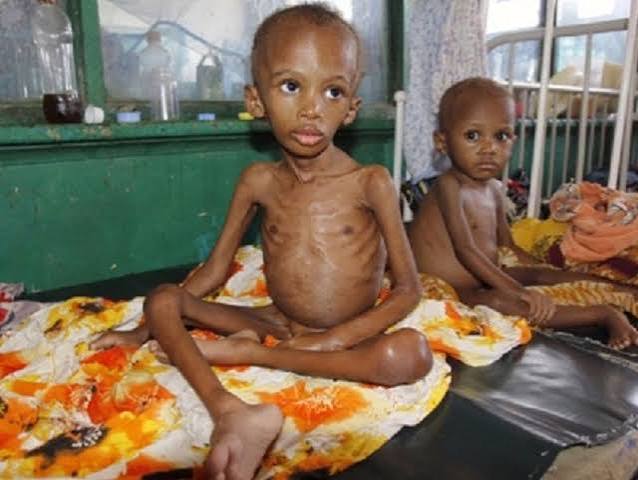
Malnutrition remains a major challenge
Awosanya said increased investment was essential to reducing maternal and child deaths, improving nutritional outcomes and strengthening Kaduna State's human capital.
Figures presented in the investment case showed that 40.7 per cent of children under five in the state were stunted, representing approximately 865,913 children.
The assessment also indicated that 24.7 per cent of children under five were underweight, while 5.9 per cent experienced wasting.
Anaemia was identified as another major concern, affecting 60 per cent of children under five and 45 per cent of pregnant women.
The report further estimated that Kaduna State could record approximately 25,000 cases of severe acute malnutrition annually.
These figures highlight the scale of the challenge facing families, healthcare providers and public institutions, particularly in communities where access to adequate nutrition and essential maternal and child health services remains limited.
Investment could reduce child mortality and stunting
The investment case projected significant improvements in maternal and child health outcomes if priority interventions were expanded by 2030.
Under the projections, under-five mortality could decline from 106 to 67 deaths per 1,000 live births.
Childhood stunting could also fall from approximately 39.9 per cent to 29.6 per cent, while anaemia among pregnant women could decrease from 45 per cent to 18 per cent.
To achieve these targets, the report identified improved breastfeeding practices, maternal nutrition, micronutrient supplementation, vitamin A coverage, diarrhoea management and the treatment of severe acute malnutrition as priority interventions.
It also recommended increased budgetary allocations, timely release of approved funds, stronger primary healthcare financing and performance-based grants for the state's 23 Local Government Areas.
Uba Sani reaffirms government commitment
Governor Uba Sani, represented by his deputy, Dr Hadiza Balarabe, reaffirmed the state government's commitment to improving maternal and child nutrition.
He described malnutrition as more than a public health challenge, noting that it threatened human dignity, economic productivity and the future development of the state.
The governor cited findings from the 2023–2024 Nigeria Demographic and Health Survey, which indicated that approximately 40 per cent of children under five in Kaduna State were stunted.
He called for stronger maternal, infant and young child nutrition services, improved exclusive breastfeeding practices and wider access to micronutrient supplementation.
Sani also emphasised sustainable financing, stronger private-sector partnerships and accountability to ensure that approved budgetary allocations translated into actual services for vulnerable families.
He urged development partners to sustain their support through funding, technical assistance, research, innovation and capacity development.
Government, development partners seek stronger financing
In his welcome address, the Commissioner for Planning and Budget Commission, Mukthar Ahmed, said the summit was designed to translate available evidence into financial commitments and measurable nutrition outcomes.
Ahmed described the Kaduna State Nutrition Investment Case as an important resource for understanding the scale of malnutrition and the economic benefits of addressing it.
He called for the integration of nutrition priorities into development plans, annual budgets and medium-term expenditure frameworks.
He also urged Local Government Chairpersons to make nutrition financing an essential component of their annual development and budgetary priorities.
Similarly, Jessica Bartholomew, National Steering Committee Chairperson of CS-SUNN, commended the state government for establishing institutional structures to address malnutrition.
She identified the House of Assembly committee on food and nutrition, the multisectoral plan of action and relevant policy documents as important steps towards improving coordination.
Bartholomew urged government institutions, private-sector organisations, philanthropists, traditional institutions and civil society groups to increase their support for nutrition programmes.
UNICEF highlights existing financial support
Dr Idris Baba, representing UNICEF, disclosed that the organisation had been supporting Kaduna State's nutrition interventions through the Child Nutrition Fund.
He said the state invested approximately $540,000 in nutrition supplies in 2024 and 2025, with UNICEF providing matching contributions.
Baba also disclosed that UNICEF supported the state with ready-to-use therapeutic foods valued at nearly ₦900 million through 2025 and 2026 maternal, newborn and child health grants.
He called for timely releases of approved nutrition funds, dedicated nutrition budget lines at the local government level and greater private-sector participation.
Representing the Gates Foundation, Anthony Shamang said nutrition investment was fundamental to children's survival, learning capacity and future productivity.
He highlighted maternal nutrition, breastfeeding and appropriate infant and young child feeding practices as critical areas requiring sustained attention.
Lawmakers and health authorities call for accountability
The Executive Secretary of the Kaduna State Primary Health Care Board, Prof. Bello Jamoh, called for coordinated action across sectors to improve nutrition outcomes.
He stressed that government institutions, development partners and private-sector organisations must ensure that available resources were properly prioritised, released and translated into measurable results.
The Kaduna State House of Assembly, represented by the Chairman of its House Committee on Appropriation, Shehu Yunusa, also reaffirmed the legislature's commitment to supporting nutrition policies and budgetary provisions.
Yunusa called for effective legislative oversight to ensure that nutrition programmes received adequate funding and were implemented transparently.
He urged stakeholders to translate discussions at the summit into concrete commitments and sustainable financing arrangements.
Nutrition financing compact signed
A major outcome of the summit was the signing of the Kaduna State Nutrition Financing Compact, which outlines commitments, responsibilities and implementation priorities for improving nutrition financing.
The compact provides for the protection and expansion of nutrition funding, timely release of approved resources and accountability for results affecting children across the state.
The summit also featured technical discussions, private-sector engagement and a Local Government Financing Forum.
Beyond financial commitments
Kaduna's proposed ₦17.34 billion investment represents a significant financial requirement, but the success of the initiative will ultimately depend on how effectively the resources are mobilised and deployed.
Timely budget releases, transparent procurement, properly equipped primary healthcare facilities and consistent monitoring will be essential to achieving the projected outcomes.
The participation of local governments will also be critical, given their frontline responsibilities in delivering primary healthcare and community-based nutrition services.
With more than 865,000 children reportedly affected by stunting, the stakes extend beyond healthcare statistics. They concern the future health, education, productivity and economic prospects of an entire generation.
For Kaduna State, the challenge now is to turn the investment compact into sustained action capable of protecting children and strengthening families.
Wakirike Herald
The Voice of Wakirike People Everywhere
Written by
wk-admin
Comments
- Be the first to comment.