Illegal Mining, Deforestation Threaten Farmland and Livelihoods in Abuja Communities
By Wakirike Herald
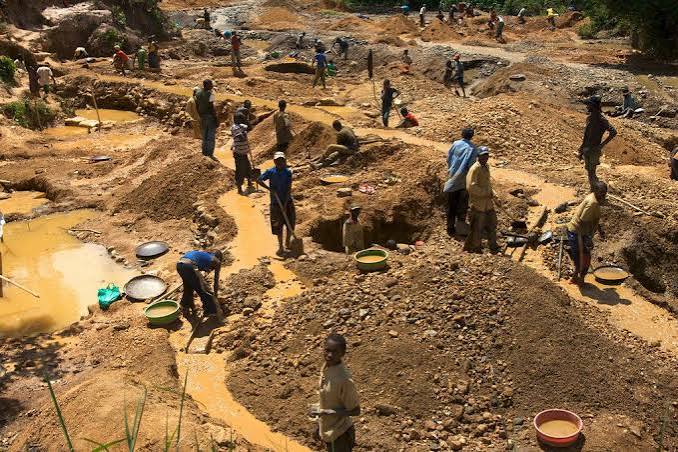
Illegal mining and deforestation are destroying farmland, depleting natural resources and threatening the livelihoods of residents in parts of Gwagwalada Area Council of the Federal Capital Territory (FCT), a youth leader has warned.
Mr Usman Mohammed, a member of Paikon-Kore community, raised the concern on Thursday at a Multi-Stakeholder Climate Governance Dialogue organised by the Development of Educational Action Network (DEAN) in Abuja.
Mohammed identified Dobi and Paiko wards, among other communities in Gwagwalada, as areas experiencing illegal mining activities.
He said mining operations had destroyed significant portions of farmland, leaving affected areas unsuitable for agriculture and other productive activities.
“Any land that they mine cannot be used for anything because that land has been destroyed,” he said.
Mining Activities Increase Pressure on Communities
Mohammed linked the destruction of farmland and vegetation to declining soil fertility, water scarcity and growing competition for available land between farmers and herders.
He warned that the pressure on land resources was contributing to tensions between farming and herding communities, potentially worsening existing livelihood challenges.
The youth leader also alleged that some mining activities continued because of the influence and support of powerful individuals, including government officials and traditional rulers.
According to him, such influence made it difficult for affected communities to challenge the activities or obtain appropriate government intervention.
Beyond mining and deforestation, Mohammed identified indiscriminate borehole drilling and improper waste disposal as additional environmental problems affecting communities across the FCT.
He expressed concern that developers frequently cleared vegetation without corresponding tree-planting efforts, thereby worsening environmental degradation and potentially threatening underground water resources.
Youth Leader Demands Greater Youth Participation
Mohammed called on governments to intensify public awareness campaigns on climate change, environmental protection and practical measures communities could adopt to reduce environmental damage.
He also urged authorities to involve young people in policymaking, budgeting and the implementation of environmental programmes.
He argued that excluding young people from decision-making weakened their ability to identify local challenges and contribute to solutions.
“Most of our youth are not involved in decision-making. There is no open assessment where you will be able to ask them what is happening,” he said.
Mohammed encouraged young Nigerians to use social media responsibly to highlight environmental challenges and attract the attention of government agencies and development organisations.
He further called on governments and development partners to involve qualified professionals and credible community representatives when designing environmental interventions.
Development Projects Should Reflect Community Needs
The youth leader cautioned against implementing development projects without properly assessing the priorities of beneficiary communities.
He explained that while some communities urgently required access to potable water, others needed primary healthcare facilities, schools and essential infrastructure.
“You cannot just keep on adding project upon project and this is not what they need. At the end of the day, they are suffering,” he said.
He maintained that meaningful development required proper consultation, needs assessment and accountability to ensure that public resources addressed the actual challenges confronting residents.
DEAN Calls for Stronger Climate Governance
Also speaking, the Executive Director of DEAN, Mr Semiye Michael, called for stronger collaboration between government institutions and communities to address environmental challenges.
Michael said the organisation initiated the dialogue to connect grassroots experiences with wider climate change concerns and promote inclusive discussions on environmental sustainability.
He observed that rising temperatures, water scarcity and other environmental pressures were increasing economic hardship and threatening community livelihoods.
The DEAN executive director also raised concerns about the environmental implications of expanding digital infrastructure, particularly data centres, urging stakeholders to consider their potential effects on host communities.
He said environmental considerations should remain central to planning as governments and private investors pursued digital development.
Dialogue Targets Practical Environmental Solutions
The dialogue, organised by DEAN with support from the Publisher Centre through its ACE Microgrant, sought to strengthen inclusive climate governance and improve community resilience.
It also aimed to identify priority environmental interventions, clarify the responsibilities of stakeholders, establish implementation timelines and agree on mechanisms for monitoring progress.
The initiative is designed to strengthen grassroots participation in climate governance and ensure that environmental projects reflect the needs of affected populations.
For communities facing the consequences of illegal mining, deforestation and declining access to natural resources, the central challenge is translating discussions into effective enforcement, environmental restoration and development programmes that protect livelihoods.
Wakirike Herald
The Voice of Wakirike People Everywhere
Written by
wk-admin
Comments
- Be the first to comment.