ICCON to Strengthen Chemical Licence Verification to Prevent Diversion and Misuse
By Wakirike Herald
The Institute of Chartered Chemists of Nigeria (ICCON) has announced plans to strengthen professional licence verification for chemical transactions to prevent the diversion and misuse of controlled and sensitive chemicals.
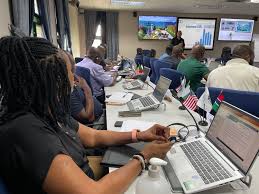
The Acting Registrar and Chief Executive Officer of ICCON, Mr Akwaowo Idongesit, disclosed this at the institute's 21st Mandatory Continuing Professional Development (MCPD) Workshop, Induction and Fellowship Investiture in Abuja.
The two-day event, held from 4 to 5 November, was themed “Towards a Lead-Free Chemical Industry in Nigeria: Advancing Safer Chemistry, Sustainable Alternatives and Regulatory Compliance”.
Idongesit said the institute was strengthening its regulatory framework and monitoring mechanisms as part of efforts to improve chemical safety and support national security.
New Verification System Expected Within Six Months
The acting registrar explained that ICCON was intensifying professional licence checks across chemical transactions in collaboration with relevant authorities, including the National Counter Terrorism Centre under the Office of the National Security Adviser (ONSA).
He said the institute anticipated transitioning within six months from reliance on its certificates to a more comprehensive verification process requiring practitioners to demonstrate their current professional standing and valid practising licences when obtaining End-User Certificates (EUCs).
“Our objective is to ensure that professional accountability is firmly established and that current practising licences, alongside other applicable documentation, are recognised in the relevant processes,” Idongesit said.
He explained that the proposed system would help prevent the diversion and misuse of controlled chemicals without creating unnecessary obstacles for legitimate businesses.
The institute also plans to intensify stakeholder sensitisation, national chemical personnel audits, professional capacity building and regulatory enforcement.
New Regulatory Framework Strengthens Professional Standards
Idongesit disclosed that the Regulatory Framework for the Practice of Chemistry, gazetted in 2025, became effective in June 2026.
He said the framework would provide a stronger basis for enforcing professional standards and ensuring that individuals performing professional chemistry functions possessed the required qualifications, registration and valid practising licences where applicable.
“Our resolve is to ensure that individuals undertaking professional chemistry functions possess the requisite qualifications, professional registration and, where applicable, valid practising licences,” he said.
He emphasised that the regulatory initiative was not designed to frustrate legitimate businesses but to promote a safer, more accountable and professionally regulated chemical industry.
The acting registrar also identified lead exposure as a serious public health concern, particularly for children and other vulnerable populations.
He called for collective action involving chemists, regulators, manufacturers and chemical handlers to reduce exposure and promote safer chemical management.
According to him, ICCON is also working towards specialised training programmes covering chemical safety, good laboratory practice, quality management, hazardous waste management and sustainable chemistry.
Health Ministry Pledges Support for Safer Chemical Industry
In her remarks, the Permanent Secretary, Federal Ministry of Health and Social Welfare, Daju Kachollom, commended ICCON for its contributions to chemical sciences, public health, industrial development and environmental sustainability.
Kachollom, represented by the ministry's Director of Food and Drug Services, Dr Olufowobi-Yusuf Ademola, said the ministry would continue supporting the institute in its efforts to promote a safer and more sustainable chemical industry.
“Over the years, the Institute has played a vital role in ensuring that chemical sciences and chemical practice contribute meaningfully to national development, public health, industrial growth and environmental sustainability,” she said.
She described the MCPD programme as an important opportunity for chemists to update their professional knowledge, understand emerging developments and maintain ethical standards in their practice.
Scientists Urged to Develop Affordable Lead Testing Solutions
Delivering the keynote address, Dr Fortune Ihua-Maduenyi urged scientists to intensify research and develop affordable testing solutions to address lead exposure and other chemical-related hazards.
She also called on industries to adopt safer operational practices and involve community members in identifying and reporting suspected cases of chemical exposure.
Ihua-Maduenyi stressed the importance of protective measures for children and other vulnerable groups, maintaining that economic development should not come at the expense of public health.
Minister Calls for Stronger Chemical Management
Declaring the workshop open, the Minister of State for Health and Social Welfare, Dr Iziaq Salako, commended ICCON for sustaining its professional development programmes.
Salako, represented by the Director of the Chemicals Management Programme in the ministry, Mr Fatai Olaruwaju, said chemists had important responsibilities in promoting safe chemical management, strengthening quality assurance and ensuring compliance with established standards.
He urged the institute and its members to provide the technical expertise required to advance a safer and more sustainable chemical industry.
Chemical Society Seeks Stronger Professional Collaboration
In a goodwill message, the President of the Chemical Society of Nigeria, Rufus Sha’ato, called for stronger collaboration between the society and ICCON to improve the transition from academic training to professional practice.
Sha’ato, represented by the society's President-elect, Dr Ebritimi Berezi, urged ICCON to pursue an amendment to its enabling legislation to give it a stronger role in accrediting chemistry departments in tertiary institutions.
He also advocated mandatory ICCON registration for individuals occupying leadership positions in university chemistry departments.
The workshop brought together chemists and stakeholders from relevant government agencies and professional organisations to discuss professional standards, chemical safety, public health and regulatory compliance.
The proposed licence verification system could strengthen oversight of Nigeria's chemical supply chain, particularly if supported by effective enforcement, transparent procedures and cooperation between regulators and legitimate industry operators.
Wakirike Herald
The Voice of Wakirike People Everywhere
Written by
wk-admin
Comments
- Be the first to comment.