HYPREP Seeks CSOs’ Support to Prevent Renewed Pollution in Ogoniland
By Wakirike Herald
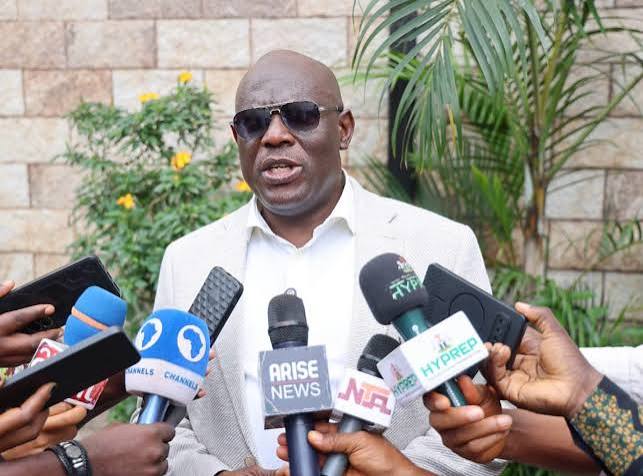
The Hydrocarbon Pollution Remediation Project (HYPREP) has called on Civil Society Organisations (CSOs) to strengthen community engagement and environmental advocacy to prevent renewed pollution in Ogoniland, Rivers State.
The project urged the organisations to intensify public awareness campaigns against illegal artisanal refining, unsustainable fishing practices and other activities capable of undermining ongoing environmental restoration efforts.
HYPREP Project Coordinator, Prof. Nenibarini Zabbey, made the appeal on Wednesday, November 11, 2026, during an interview with the News Agency of Nigeria (NAN) in Port Harcourt, following a meeting with a coalition of civil society organisations.
The delegation visited Rivers State to assess cleanup project sites and evaluate progress in implementing the Ogoni environmental restoration programme.
Zabbey stressed that achieving lasting environmental recovery required more than removing pollution, noting that communities and other stakeholders must collectively protect restored ecosystems against activities that could reverse the gains already recorded.
HYPREP Identifies Key Areas for Community Action
The project coordinator identified sustainable fishing, responsible mangrove harvesting and campaigns against illegal artisanal refining as priority areas requiring stronger collaboration between HYPREP, civil society organisations and host communities.
He explained that the return of aquatic organisms, including different species of crabs, to restored water bodies provided encouraging evidence of ecological recovery.
However, he cautioned that the continued survival of these organisms depended on responsible environmental practices and sustained protection of the restored ecosystems.
Zabbey also encouraged civil society organisations to support initiatives promoting ecotourism, carbon stock assessment, climate finance and alternative livelihood opportunities for residents of affected communities.
He particularly highlighted the designation of Ogoni mangrove wetlands as an internationally important Ramsar Site, describing the recognition as an opportunity to strengthen environmental protection while exploring sustainable economic activities.
According to him, the designation places a collective responsibility on stakeholders to preserve the ecological character of the wetlands and prevent activities that could damage their environmental value.
He expressed optimism that stronger partnerships with CSOs would improve community participation, expand environmental advocacy and discourage practices capable of undermining the restoration programme.
Zabbey subsequently presented a project status briefing, outlining achievements and ongoing interventions across HYPREP's thematic areas.
CORDAID Partnership Reviews Progress of Ogoni Cleanup
The visiting coalition operates under the CORDAID Strategic Partnership, which brings together civil society organisations working on environmental protection, good governance and institutional development.
The partnership has maintained a longstanding advocacy campaign for the full implementation of the Ogoni cleanup programme.
Speaking on behalf of the coalition, CORDAID Consultant, Tolese Olatinwo, described the visit as encouraging, recalling the partnership's five-year advocacy efforts towards environmental restoration and the provision of alternative livelihoods.
He said the coalition had consistently advocated greater community participation in the cleanup programme and the release of funds for HYPREP to facilitate implementation.
Olatinwo expressed satisfaction with the visible interventions observed at various project locations, adding that the coalition would review its previous advocacy scorecard and establish fresh objectives for its next phase of engagement.
He indicated that the assessment would help the partnership identify areas where additional advocacy and community support would be required to sustain progress.
Women’s Participation and Livelihood Support Receive Commendation
Also speaking, Dr Emem Okon, Executive Director of the Kabetkache Centre for Women Development and a member of the Strategic Partnership, commended HYPREP for including women in project activities and livelihood interventions.
Okon recalled that her organisation had previously conducted a livelihood needs assessment for women in Ogoniland and advocated greater female participation in the environmental cleanup process and related development programmes.
She said the coalition intended to develop a new pathway of change focusing on community sensitisation, environmental advocacy and campaigns against illegal artisanal refining across affected communities.
Her remarks highlighted the importance of involving women in environmental decision-making and livelihood programmes, particularly in communities where pollution has affected traditional economic activities and household welfare.
Delegation Inspects Water, Healthcare and Mangrove Restoration Projects
The visiting organisations also commended HYPREP for reported progress in mangrove restoration, shoreline cleanup, potable water provision and public health interventions across Ogoniland.
The coalition described increased women's participation in project activities as an important development, noting that the interventions could contribute to improved environmental conditions and better living standards for affected residents.
As part of the assessment exercise, the delegation visited the K-Dere Water Facility, the Ogoni Specialist Hospital and a mangrove restoration site in Bomu.
Members of the delegation also participated in symbolic mangrove planting activities as part of their engagement with the restoration programme.
Sustaining Environmental Recovery Beyond the Cleanup
The engagement comes at an important stage in Ogoniland's environmental restoration efforts, where the long-term success of remediation depends not only on project implementation but also on how communities protect recovered ecosystems.
Illegal artisanal refining, destructive fishing practices and irresponsible mangrove harvesting remain concerns because such activities can place additional pressure on an already fragile coastal environment.
For Ogoni communities, the protection of restored waterways and mangrove wetlands is directly connected to fishing, food security, public health, water quality and the future of local economic activities.
The involvement of civil society organisations could therefore strengthen public accountability, encourage responsible resource management and ensure that community concerns remain part of the restoration process.
Ultimately, the challenge before HYPREP, community leaders, government institutions and civil society organisations is to ensure that the environmental recovery of Ogoniland is sustained beyond the immediate cleanup interventions.
Restoration must translate into healthier waterways, protected mangrove ecosystems, safer livelihoods and lasting improvements in the lives of the people whose communities have endured decades of environmental pollution.
Wakirike Herald
The Voice of Wakirike People Everywhere
Written by
wk-admin
Comments
- Be the first to comment.