Herders’ Attacks Destroy Farmlands in Borno, Over 50 Farmers Seek Government Support
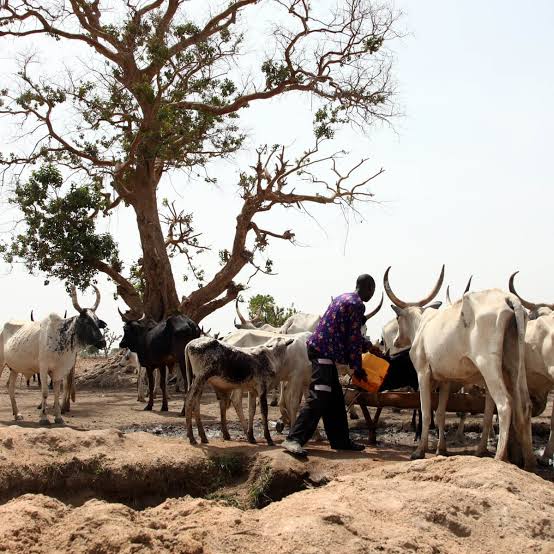
Farmers in Kwaya Kusar say crops worth significant livelihoods were destroyed shortly before harvest, worsening concerns over food security.
By Wakirike Herald
Rural farmers in Kwaya Kusar Local Government Area of Borno State have appealed for urgent government intervention following attacks by suspected herders on their farmlands, which reportedly destroyed several hectares of crops shortly before harvest.
The affected farmers said the destruction had worsened their economic difficulties after poor rainfall affected the 2026 farming season, leaving many households facing the prospect of substantial agricultural losses.
Alhaji Hassan Musa, Chairman of the All Farmers Association of Nigeria (AFAN), Kwaya Kusar chapter, made the appeal in an interview in Kwaya Kusar town on Tuesday.
Musa described the incidents as devastating and heartbreaking, noting that more than 50 farmers, including himself, had been affected across four locations around the community.
The affected areas include Debana, Lida, Deman and Maiba.
Crops destroyed shortly before harvest
According to the AFAN chairman, the attacks began in November, with herders allegedly allowing their livestock to destroy crops planted across several hectares of farmland.
The affected crops include beans, maize, rice and sorghum, which were reportedly damaged close to harvest.
Musa said the destruction was particularly painful because farmers had already endured a difficult cropping season due to inadequate rainfall.
He explained that farmers who had invested four to five months of labour and resources in cultivating their fields were left with little or nothing after their crops were consumed within hours.
He appealed to the government to provide assistance and compensation to affected farmers, warning that the losses could expose many households to severe hardship and hunger.
Farmer injured during attack
Musa also disclosed that one of the farmers was struck with an arrow during the incident but survived.
He expressed gratitude that no life was lost, while calling attention to the physical danger confronting rural farmers as they attempt to protect their livelihoods.
The AFAN chairman warned that repeated destruction of farmlands could discourage people from remaining in agriculture.
He identified the rising cost of farm inputs, inadequate support, climate change and conflicts involving herders as major challenges undermining agricultural production.
He urged authorities to address these problems to protect farmers and strengthen food security.
Local government intervention prevents further damage
Musa credited the Chairman of Kwaya Kusar Local Government Council, Mr Dahiru Mamma, with helping to prevent the attacks from spreading to additional farmlands.
He said the council chairman responded by deploying local vigilantes, who eventually chased the herders away.
While acknowledging the intervention, Musa maintained that stronger and more sustained security arrangements were needed to protect farming communities, particularly during critical periods of the agricultural calendar.
Farmers seek stronger security and compensation
The AFAN chairman called on the federal, state and local governments to strengthen security around farmlands and establish effective measures to prevent livestock-related destruction of crops.
He also urged the authorities to assess the losses suffered by affected farmers and consider appropriate relief and compensation.
The situation raises broader concerns about rural livelihoods and food production, particularly in communities where households depend heavily on seasonal agriculture.
When farmers lose their crops shortly before harvest, the consequences extend beyond individual farms. Household incomes decline, food supplies become uncertain and the resources needed to prepare for another planting season may disappear.
For the affected communities in Kwaya Kusar, urgent intervention will be important not only to address immediate losses but also to restore confidence in farming and prevent further threats to local food production.
Wakirike Herald
The Voice of Wakirike People Everywhere
Written by
wk-admin
Comments
- Be the first to comment.