FG Targets 1,000 New CNG Stations Nationwide to Reduce Transportation Costs
By Wakirike Herald
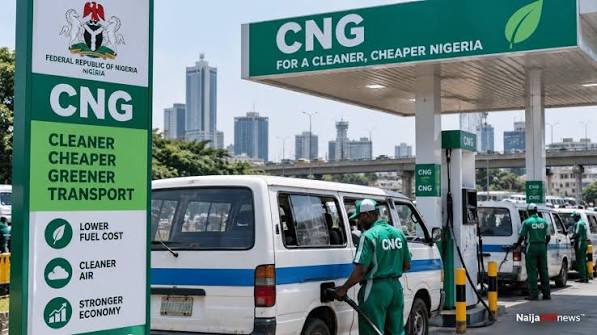
The Federal Government has announced plans to establish up to 1,000 additional Compressed Natural Gas (CNG) stations across Nigeria as part of efforts to accelerate the adoption of alternative fuel and reduce transportation costs.
The Executive Chairman of the Presidential Initiative on CNG and Electric Vehicles, Ahmad Ismael, disclosed this on Wednesday at the maiden National CNG Summit in Abuja.
Ismael said Nigeria currently had 105 operational CNG stations, while another 127 were at various stages of completion, bringing the number of existing and planned facilities to 232.
He explained that the government was working towards implementing President Bola Tinubu's directive for 500 additional stations, alongside another 500 subsequently announced to improve nationwide access to CNG.
According to him, Nigeria's estimated 215 trillion cubic feet of proven natural gas reserves and a vehicle population of approximately 12.6 million present considerable opportunities for expanding the country's CNG market.
Government Identifies Transportation Costs as Major Concern
Ismael noted that transportation accounted for between 15 and 22 per cent of household expenditure, stressing that the adoption of CNG-powered vehicles could help reduce the financial pressure on households.
However, he identified inadequate infrastructure, gas supply networks and transportation logistics as major obstacles to the transition.
He called for increased investment in pipelines, compression facilities and virtual pipelines to improve gas distribution and ensure reliable supplies to refuelling stations.
CNG Transition Must Deliver Tangible Economic Benefits
The convener of the National Compressed Natural Gas Forum (NCNG-F), Frank Abdullahi, urged the government and private sector to translate Nigeria's abundant natural gas resources into affordable energy, employment opportunities and industrial development.
Delivering the keynote address, Abdullahi described Nigeria's situation as a paradox, noting that its substantial gas reserves had yet to translate into affordable energy, industrial competitiveness and improved living standards.
He argued that the success of the CNG transition should not be measured solely by the number of converted vehicles or established refuelling stations.
Instead, he said its impact should be assessed through reductions in transportation costs, job creation, business growth and improvements in household welfare.
"The success of CNG transition should not be measured only by the number of vehicles converted or refueling stations established, but by its impact on transportation costs, employment, business growth and household welfare," he said.
Abdullahi highlighted the experiences of commercial drivers, traders and farmers, whose livelihoods are directly affected by transportation expenses.
He commended President Tinubu for introducing the Presidential Initiative on CNG and Electric Vehicles but urged the administration to move beyond its initial interventions towards developing a self-sustaining industry driven by private investment.
He identified high vehicle conversion costs, limited access to credit, inadequate infrastructure, gas availability, regulatory uncertainty, technical standards and insufficient public awareness as challenges requiring urgent attention.
The forum convener also called for certified equipment, accredited vehicle conversion centres and adequately trained technicians to guarantee safety and strengthen public confidence in the alternative fuel.
Abia Unveils Electric Mobility and CNG Development Plans
Speaking at the summit, Abia State Governor Alex Otti, represented by his Senior Special Assistant on National Assembly Matters, Emenike Onyembi, said successful CNG adoption would depend on affordable pricing, accessible refuelling infrastructure and strict safety standards.
Otti observed that motorists would be reluctant to convert their vehicles without convenient access to refuelling stations, while investors might hesitate to establish such facilities without sufficient patronage.
He disclosed that the Abia State Government had introduced 40 electric buses under its Green Shuttle programme, with plans to increase the fleet to 100.
The governor also revealed that the state had provided land at Obuaku City for vehicle manufacturing and assembly facilities with a proposed annual production capacity of up to 40,000 vehicles, including electric and CNG-powered models.
Additionally, he said the state had endorsed a proposed 13.1 million dollars CNG project at the Abia Industrial and Innovation Park, intended to serve as an integrated energy and mobility hub in the South-East.
Infrastructure and Affordability Remain Critical
The proposed expansion of CNG infrastructure represents an important component of Nigeria's efforts to diversify its transportation energy sources and reduce dependence on conventional petroleum fuels.
However, the success of the initiative will depend on how effectively the government and private investors address infrastructure gaps, vehicle conversion expenses, gas distribution challenges and safety concerns.
For households, commercial transport operators, traders and businesses, the ultimate measure of the transition will be whether increased access to CNG translates into lower operating expenses and more affordable transportation.
The planned 1,000 additional stations could expand the market significantly, but their actual economic benefits will depend on timely delivery, reliable gas supply and affordability for ordinary Nigerians.
Wakirike Herald
The Voice of Wakirike People Everywhere
Written by
wk-admin
Comments
- Be the first to comment.