FCTA Plans Mobile Toilet Deployment Across Abuja’s Six Area Councils to Curb Open Defecation
By Wakirike Herald
ABUJA, November 24, 2026 – The Federal Capital Territory Administration (FCTA) has announced plans to deploy mobile toilet facilities at strategic locations across Abuja’s six area councils as part of efforts to eliminate open defecation and improve public sanitation.
The announcement was made by the Executive Director of the Abuja Environmental Protection Board (AEPB), Mrs Kate Ogbonna, during the commemoration of the 2026 World Toilet Day at Kobi Makaranta Community in Guzape District, Abuja.
Ogbonna said the initiative, spearheaded by the FCT Minister, Nyesom Wike, was intended to improve access to public conveniences in underserved communities and support the administration’s goal of achieving an Open Defecation-Free Federal Capital Territory.
Mobile Toilets Target Underserved Communities
According to Ogbonna, arrangements are ongoing to provide mobile toilet facilities at selected locations across the six area councils.
She described access to safe and hygienic toilets as a basic human necessity, stressing that inadequate sanitation threatens public health and undermines human dignity.
The 2026 World Toilet Day commemoration was held under the theme, “Sanitation and Gender Equality: Safe Toilets, Equal Futures”.
Ogbonna noted that poor sanitation conditions often place a disproportionate burden on women and girls, affecting their privacy, personal security, menstrual hygiene and participation in everyday activities.
She said the AEPB would strengthen environmental health inspections, monitor public sanitation facilities and enforce relevant regulations.
The agency also urged landlords, business owners and residents to maintain hygienic toilet facilities and take greater responsibility for environmental cleanliness.
Safe Toilets Essential for Women, Girls and Children
The Director of Environmental Health and Safety at the AEPB, Mr Kamalu Agejuru, warned that unsafe toilet facilities expose residents to diseases and security risks, particularly women and girls.
He explained that providing safe toilets in schools and markets would help girls remain in school and enable women to carry out their economic activities with greater confidence and security.
Similarly, the Registrar and Chief Executive Officer of the Environmental Health Council of Nigeria, Dr Yakubu Baba, described access to clean water and decent toilets as a fundamental human right.
Represented by the Acting Director of SERVICOM, Hajiya Hauwa Opaluwa, Baba called on policymakers and citizens to promote inclusive sanitation systems that consider the needs of women, children and persons with disabilities.
Federal Government Reiterates Support for Sanitation
The Minister of Environment, Mr Balarabe Lawal, commended the AEPB for extending its sanitation awareness campaign to local communities.
Lawal, represented by the ministry’s Chief Scientific Officer, Mrs Ifeoma Ogbu, reaffirmed the Federal Government’s stated commitment to improving waste management and supporting sanitation infrastructure across communities.
The engagement formed part of efforts to increase public awareness of the relationship between sanitation, public health, gender equality and community development.
Community Seeks Action on Refuse Dumps
While commending the AEPB for bringing its awareness campaign to Kobi Makaranta, the community’s Acting Youth Leader, Mr Biteus John, urged the authorities to address other environmental concerns affecting residents.
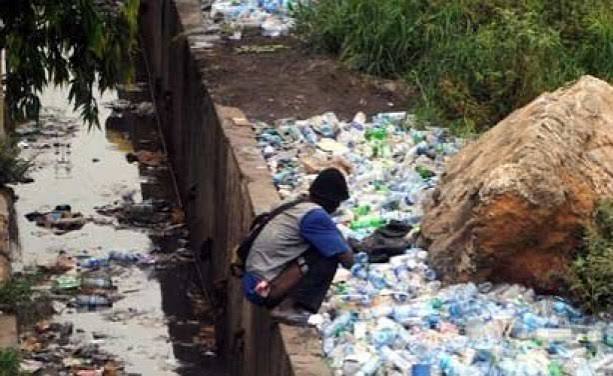
John appealed for the fulfilment of earlier assurances concerning the clearance of refuse dumps, alongside action on other pressing sanitation challenges in the community.
His appeal highlights the importance of combining public awareness with practical improvements in waste collection, drainage and access to sanitary facilities.
Implementation Will Determine the Impact
The planned deployment of mobile toilets could help address sanitation gaps across the FCT, but its effectiveness will depend on the locations selected, the number of facilities provided and arrangements for cleaning, maintenance, water supply and long-term management.
For residents in underserved communities, access to safe toilets is not merely an environmental issue. It is directly connected to public health, personal dignity, education, security and economic participation.
As the FCTA pursues its Open Defecation-Free target, sustained investment, effective enforcement and active community participation will be essential to translating the announcement into measurable improvements in everyday life.
Wakirike Herald
The Voice of Wakirike People Everywhere
Written by
wk-admin
Comments
- Be the first to comment.