EU-Funded Education Project Distributes Learning Kits to 15,720 Out-of-School Children in Sokoto
By Wakirike Herald
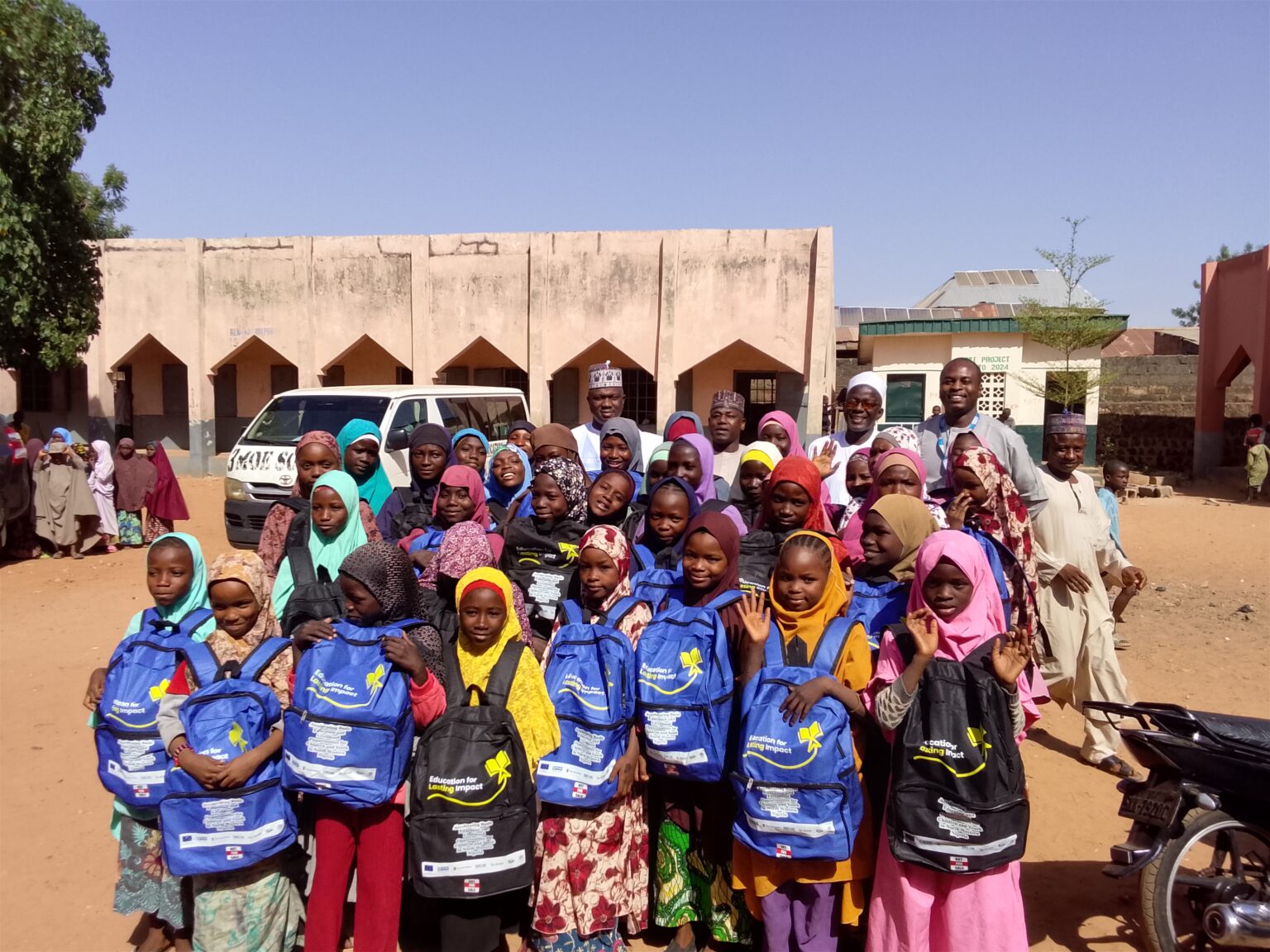
A European Union (EU)-supported education intervention implemented by Plan International has distributed learning kits to 15,720 newly enrolled out-of-school children in four local government areas of Sokoto State.
The distribution is part of the Accelerating Basic Education and Livelihood Opportunities for Children and Youth Project (ABEP), which provides flexible learning opportunities for children and young people whose education has been interrupted or who have never attended school.
The Programme Coordinator, Mr Joseph Julius, disclosed this on Friday, November 20, 2026, during the flag-off of the distribution exercise.
He said the intervention reflected ongoing collaboration between the European Union, Plan International Nigeria and Sokoto State education authorities to expand access to inclusive and equitable education.
According to Julius, the project goes beyond providing educational materials, as it also seeks to address barriers preventing children and young people from accessing education and developing skills for their future.
Learning Materials to Support Accelerated Education
Julius explained that the learning kits were designed to equip beneficiaries with essential materials needed to participate effectively in classroom activities and accelerated learning programmes.
Each kit contains a school bag, water bottle, exercise books, writing materials, an eraser, ruler and pencil sharpener.
He said the materials would help reduce the financial burden on families while improving learners' preparedness and participation at designated learning centres.
The ABEP intervention provides accelerated learning opportunities focused on foundational literacy, numeracy and livelihood skills.
It is also designed to create pathways for beneficiaries to pursue further education and acquire practical skills that could improve their future livelihood prospects.
315 Teachers Engaged Across Four Local Government Areas
The programme coordinator disclosed that 315 teachers had been engaged under the three-year project to support its implementation across Sokoto State.
The participating local government areas are:
-
Sokoto North
-
Gwadabawa
-
Bodinga
-
Tambuwal
Julius explained that the project was structured to accommodate different categories of out-of-school children and young people, particularly those between 10 and 18 years who had never attended school or had dropped out before completing their education.
He described the distribution to 15,720 newly enrolled learners as the beginning of Cohort Three of the intervention.
Sokoto Government Commends EU and Plan International
The Permanent Secretary of the Sokoto State Ministry for Basic and Secondary Education, Dr Sanusi Aliyu-Binji, commended the European Union and Plan International for supporting efforts to address educational exclusion.
He said the intervention aligned with the state government's commitment to improving access to education and providing opportunities for children and young people who had been left outside the formal school system.
Aliyu-Binji noted that the programme would help reduce barriers to learning while strengthening community awareness, ownership and support for the implementation of accelerated education initiatives.
He also commended Governor Ahmad Aliyu for his administration's attention to educational development and urged beneficiaries and their parents to take full advantage of the opportunities provided.
Parents Welcome Support for Children's Education
A parent, Bello Garba-Manda, expressed appreciation for the intervention, saying the learning materials would support children's education and ease some of the financial responsibilities facing families.
His reaction highlights the importance of practical support for households struggling to meet the costs associated with sending children to school.
Sustaining Education Beyond Learning Kits
The distribution of learning materials to more than 15,000 children represents an important component of efforts to address educational exclusion in Sokoto State.
However, the long-term success of the intervention will depend on consistent attendance, effective teaching, adequate learning facilities and clear pathways for beneficiaries to transition into further education or livelihood opportunities.
The engagement of 315 teachers also raises the importance of sustained professional support, monitoring and the availability of adequate resources throughout the three-year programme.
For children who have missed years of formal education, access to flexible learning can provide an opportunity to rebuild foundational skills and reconnect with educational opportunities.
Ensuring that these opportunities lead to measurable improvements in literacy, numeracy and future prospects will be the ultimate test of the programme.
Wakirike Herald
The Voice of Wakirike People Everywhere
Written by
wk-admin
Comments
- Be the first to comment.