Emir of Argungu Joins 78 Countries at International Conference on Preventing Genocide
By Wakirike Herald
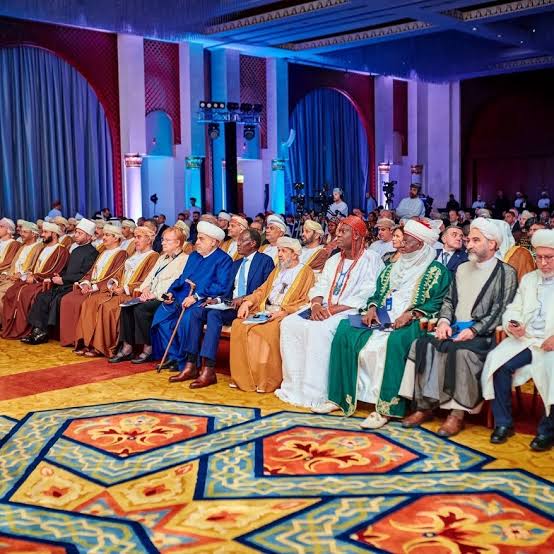
The Emir of Argungu in Kebbi State, Alhaji Sama’ila Muhammad-Mera, has participated in an international conference in Muscat, Oman, focused on preventing atrocity crimes and genocide through inclusive dialogue, religious cooperation and traditional leadership.
The two-day conference, held from November 15 to 16, marked the international launch and implementation of the Muscat Plan of Action on the Prevention of Atrocity Crimes and Genocide.
The event was organised by the United Nations Office on the Prevention of Genocide in collaboration with the Global Centre for Religious and Traditional Peacemakers and hosted by the Government of the Sultanate of Oman.
The Chief Press Secretary to the Kebbi State Governor, Alhaji Ahmed Idris, confirmed the Emir's participation in a statement made available to journalists on Wednesday in Birnin Kebbi.
According to the statement, Muhammad-Mera has served on the initiative's Technical Working Committee since its inception, making his participation an opportunity to contribute to international efforts aimed at preventing mass atrocities and strengthening peaceful coexistence.
Delegates from More Than 78 Countries Attend
The conference attracted representatives from more than 78 countries, including indigenous communities from Brazil, the United States, Canada and Australia.
Traditional and religious leaders from Africa, the Middle East, Europe and Asia also participated, alongside representatives of different faiths and spiritual traditions.
These included Islam, Christianity, Judaism, Buddhism, Sikhism and Native Spirituality.
Muhammad-Mera said the diversity of participants reflected the initiative's commitment to inclusive dialogue, mutual understanding and interfaith cooperation.
The gathering also brought together youth representatives from 20 countries, women's organisations, academics and international development institutions.
Among the prominent participants were a former Prime Minister of Finland, the United Nations Under-Secretary-General responsible for genocide prevention, ministers of religious affairs and endowments from Gulf States, representatives of the World Bank and international peace advocates.
Muscat Plan Seeks Stronger Early-Warning Mechanisms
The Emir explained that the conference featured plenary sessions, panel discussions and technical deliberations, through which participants developed a practical work plan to guide the implementation of the Muscat Plan of Action.
He described the outcome as an important stage in nearly four years of international collaboration, which began in June 2022 and received United Nations endorsement in June 2026.
The plan provides a framework for preventing atrocity crimes and genocide by addressing underlying threats such as hate speech, misinformation, disinformation and discrimination.
It promotes constructive dialogue, early-warning mechanisms, inclusive engagement and coordinated preventive action.
According to Muhammad-Mera, the initiative recognises that preventing mass violence requires more than government intervention, as traditional institutions, religious organisations and community leaders also play important roles in identifying tensions before they escalate.
Traditional and Religious Leaders Identified as Key Peacebuilders
The Emir highlighted the strategic importance of traditional and religious institutions in strengthening national and international peace and security efforts.
He said their moral authority, grassroots influence and understanding of local communities placed them in a unique position to recognise early warning signs of conflict and challenge divisive narratives.
He further noted that traditional and religious leaders could promote tolerance and discourage discrimination or the targeting of individuals and communities based on religion, ethnicity, culture or beliefs.
“The moral authority, grassroots influence and intimate understanding of their communities place traditional and religious leaders in a unique position to identify early warning signs of conflict, and counter divisive narratives.
“It also promote tolerance and discourage discrimination or the targeting of individuals and communities on the basis of religion, ethnicity, culture or beliefs,” he said.
Muhammad-Mera maintained that involving traditional and religious leaders in preventive diplomacy and community-based peacebuilding was essential to building resilient societies and addressing conflicts before they developed into wider humanitarian crises.
Emir Pledges Continued Support for Global Peace Initiative
The monarch expressed appreciation to Kebbi State Governor, Nasir Idris, for the encouragement and support that facilitated his participation in the international initiative.
He also reaffirmed his commitment to translating the principles of the Muscat Plan of Action into practical community-level interventions.
“I remain committed to advancing this noble initiative and translating its principles into practical actions that promote peaceful coexistence, uphold human dignity, strengthen mutual understanding and protect all communities, irrespective of their religious, ethnic, cultural or social backgrounds,” he said.
Growing Recognition of Traditional Institutions in Global Peacebuilding
The Emir's participation highlights the expanding role of traditional institutions in international discussions on conflict prevention, human rights and the protection of vulnerable communities.
In societies where traditional rulers maintain close relationships with their people, their involvement can contribute to early identification of tensions, community mediation and the promotion of peaceful relations.
However, the effectiveness of the Muscat Plan will depend on how its recommendations are translated into practical action, sustained partnerships and effective early-warning systems across participating communities.
For Nigeria, where communal tensions, religious differences and security challenges remain important national concerns, stronger collaboration between government institutions, traditional rulers, religious organisations and civil society could contribute to preventing conflicts and protecting vulnerable populations.
Wakirike Herald
The Voice of Wakirike People Everywhere
Written by
wk-admin
Comments
- Be the first to comment.