DRC Hunger Crisis: 30.3 Million People Projected to Face Acute Food Insecurity by June 2027, UN War
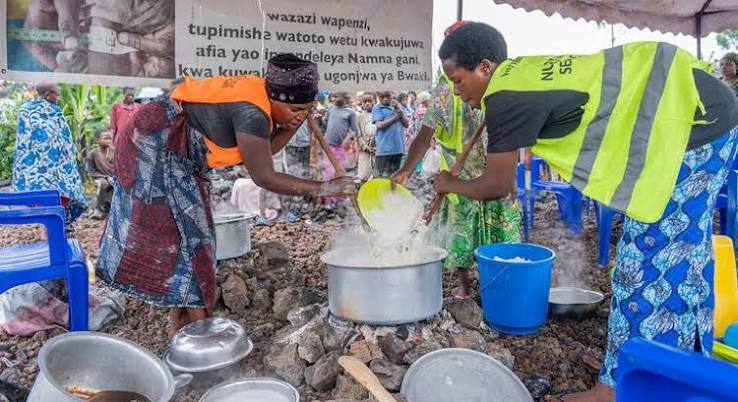
By Wakirike Herald
The United Nations has warned that the hunger crisis in the Democratic Republic of the Congo (DRC) could worsen significantly, with an estimated 30.3 million people projected to face acute food insecurity between January and June 2027.
The warning was issued jointly by the World Health Organisation (WHO), Food and Agriculture Organisation (FAO), World Food Programme (WFP) and United Nations Children's Fund (UNICEF) following the latest Integrated Food Security Phase Classification (IPC) analysis.
According to the agencies, nearly 29 million people, representing almost a quarter of the country's population, experienced crisis-level hunger or worse between September and December 2026.
The number is projected to rise to 30.3 million in the first half of 2027, compared with 26.5 million recorded during the corresponding period in 2026.
The analysis also forecasts that approximately 4.2 million people could experience emergency levels of hunger by early 2027, representing an increase of nearly 600,000 from the current estimate of 3.6 million.
Eastern DRC bears the heaviest burden
The UN agencies identified eastern DRC as the worst-affected region, with more than 11 million people across North Kivu, South Kivu and Ituri projected to experience crisis-level food insecurity or worse.
Nine territories across the three provinces are expected to face emergency levels of hunger, requiring urgent humanitarian intervention to prevent further deterioration.
WFP Director of Emergency Preparedness and Response, Ross Smith, said continuing conflict was forcing families from their homes, disrupting agricultural activities and making food increasingly inaccessible to vulnerable households.
He explained that displacement, loss of household assets, restricted access to farmland and disrupted markets were undermining food production, household incomes and families' ability to withstand additional economic and humanitarian shocks.
Smith added that the Ebola outbreak had compounded an already difficult humanitarian situation, stressing the need for safe and sustained humanitarian access and adequate resources to deliver food assistance.
FAO urges urgent agricultural support
The FAO Director of Emergencies and Resilience, Rein Paulsen, called for immediate agricultural assistance to help affected households restore their livelihoods and reduce dependence on humanitarian support.
He said providing farmers with seeds, tools and other essential agricultural inputs before the early 2027 planting season would allow them to cultivate their land and potentially harvest by mid-year.
Paulsen warned that delays could result in another missed planting season, worsening food shortages, increasing displacement and raising the cost of future humanitarian interventions.
Beyond the eastern provinces, the agencies identified Tanganyika, Maniema, Kasaï, Haut-Lomami, Lomami, Kwango and Haut-Uele among areas experiencing serious food security challenges.
Insecurity, disrupted farming activities, poor market access and declining household purchasing power were identified as major factors contributing to the situation.
Children face increased risks of malnutrition and disease
The humanitarian crisis is also creating serious health concerns, particularly for children under five.
The UN agencies warned that acute malnutrition, limited healthcare access, unsafe drinking water and inadequate sanitation were increasing the vulnerability of children and other at-risk populations.
UNICEF Director of Emergency Operations, Lucia Elmi, said conflict, displacement and disease outbreaks, including Ebola, were threatening children's access to essential healthcare, safe water and sanitation.
She called for increased humanitarian support to prevent malnutrition, maintain essential services and ensure that children could access the healthcare and protection they needed.
Similarly, WHO Executive Director of the Health Emergencies Programme, Dr Chikwe Ihekweazu, warned that hunger, inadequate nutrition, unsafe water and limited healthcare were increasing vulnerability to diseases and death.
He identified Ebola, cholera, mpox and other health emergencies as additional pressures on already fragile healthcare systems, particularly in eastern DRC.
Ihekweazu stressed the importance of reaching affected communities with life-saving healthcare, nutrition, water and sanitation services.
UN agencies appeal for urgent international intervention
The four organisations called for coordinated funding and diplomatic action to expand food assistance, restore agricultural livelihoods, prevent and treat malnutrition, and maintain essential health and sanitation services.
They also urged parties involved in the conflict to protect civilians, particularly children, safeguard critical infrastructure and facilitate safe, rapid and unhindered humanitarian access.
The agencies appealed to international donors to provide timely and sustained financial support, particularly ahead of critical agricultural planting seasons, to prevent further deterioration in food security.
A crisis requiring more than emergency food assistance
The projected increase in hunger across the DRC highlights the relationship between armed conflict, displacement, agricultural disruption and public health emergencies.
While emergency food distribution remains essential, restoring agricultural production and protecting rural livelihoods will be critical to reducing long-term dependence on humanitarian assistance.
For millions of affected households, access to farmland, seeds, farming equipment, functioning markets and basic healthcare could determine their ability to recover.
The immediate challenge for the international community is to mobilise resources before the next planting season while ensuring that humanitarian organisations can safely reach communities most in need.
Without timely intervention, millions more people could be pushed into severe food insecurity, with children likely to bear a disproportionate share of the consequences.
Wakirike Herald
The Voice of Wakirike People Everywhere
Written by
wk-admin
Comments
- Be the first to comment.