Delta Strengthens Ebola Preparedness as Nigeria Reports Imported Case
By Wakirike Herald
The state’s Commissioner for Health, Dr Joseph Onojaeme, disclosed this in a statement issued in Asaba on Monday, saying the government was intensifying measures to detect and contain any suspected case of the disease.
Onojaeme said the Ministry of Health was expanding public awareness campaigns and strengthening designated health facilities to handle potential public health emergencies.
He urged health officials to remain vigilant and ensure that suspected Ebola cases were promptly identified, investigated and reported to the appropriate authorities.
“The state’s preparedness depends largely on effective surveillance, early detection and a prompt response to suspected cases,” he said.
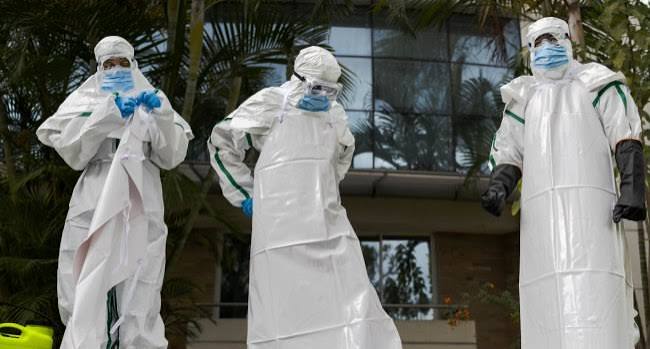
The commissioner assured residents that the government would continue to provide personal protective equipment, testing kits and other essential supplies to support healthcare workers and emergency response teams.
Surveillance and Training Intensified
Onojaeme directed the ministry’s Epidemiology Unit to strengthen disease monitoring at entry points, healthcare facilities and within communities.
He said unusual health developments should be reported and investigated promptly to reduce the risk of delayed detection and possible transmission.
The commissioner also called for regular training of frontline healthcare workers to improve their ability to recognise and manage suspected Ebola cases while observing appropriate infection prevention and control procedures.
He urged residents to maintain good hygiene, follow official public health advisories and promptly report suspected symptoms to health authorities.
According to him, cooperation between communities and public health officials remains essential to preventing infectious diseases and protecting residents across Delta State.
Nigeria Responds to Imported Bundibugyo Ebola Case
The preparedness measures come amid a reported imported case of Bundibugyo Ebola Virus Disease in Nigeria, following laboratory confirmation of infection in a woman with a recent travel history to Uganda on October 20.
According to information attributed to the World Health Organization (WHO), the patient developed symptoms on October 7, four days after arriving in Nigeria, and sought medical attention in Abuja on October 11.
The Nigeria Centre for Disease Control and Prevention (NCDC) activated its incident management system and initiated contact tracing, laboratory investigations and infection prevention measures.
An NCDC situation report dated October 24 identified 53 contacts associated with the case, including healthcare workers, domestic staff and the patient’s spouse. None had tested positive at the time of that report.
On October 23, the Federal Government said genomic analysis indicated that the virus isolated from the Nigerian patient appeared closely related to the virus identified in an index case in Kenya.
However, officials cautioned that the genetic relationship did not establish a direct transmission link between the cases.
Federal authorities have also intensified surveillance at points of entry, strengthened infection prevention and control measures in health facilities, and urged healthcare workers to report suspected cases without delay.
How Ebola Spreads and What Residents Should Know
Bundibugyo virus disease is caused by the Bundibugyo virus, a member of the Ebola virus group. Transmission can occur through direct contact with the blood or other body fluids of an infected person, or with contaminated materials.
Residents are advised to avoid contact with the body fluids of anyone suspected of having the disease and to follow instructions from qualified health professionals and public health authorities.
Anyone who suspects exposure or develops symptoms after a possible exposure should contact the appropriate health authorities promptly and follow their guidance on seeking medical care.
The Delta Government has urged residents to rely on verified public health information and avoid circulating unconfirmed reports that could create unnecessary fear or confusion.
Preparedness Requires Public Cooperation
Delta’s revised preparedness measures place emphasis on early detection, adequate medical supplies, trained health workers and effective communication with communities.
Although preparedness does not mean an outbreak has occurred in the state, the measures are intended to help health authorities identify and respond quickly to any suspected case.
The effectiveness of that response will depend on continued coordination between state and federal health agencies, healthcare facilities and residents.
Wakirike Herald
The Voice of Wakirike People Everywhere
Written by
wk-admin
Comments
- Be the first to comment.