Debate Grows Over Return of ‘Wole-wole’ Sanitary Inspectors in South-West Nigeria
By Wakirike Herald
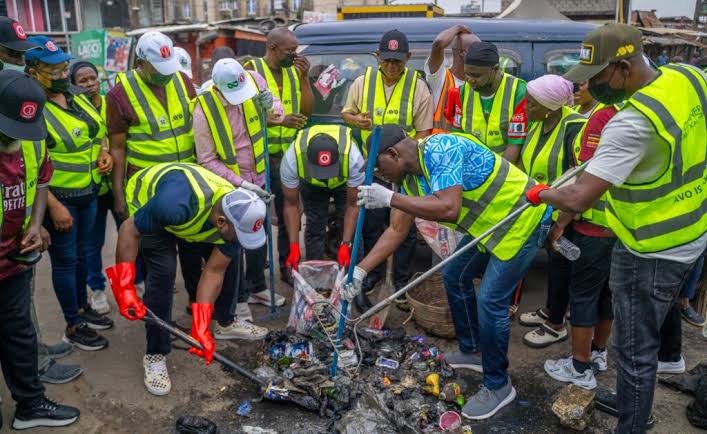
The familiar warning, “Wole-wole ti de!” once sent households scrambling to sweep their compounds, cover food containers, clear drainage channels and put their surroundings in order.
For generations, sanitary inspectors, popularly known as Wole-wole, played a prominent role in enforcing household and community hygiene across South-West Nigeria.
Today, renewed calls for their return have reopened an important public health debate: should Nigeria revive the traditional house-to-house sanitation inspection system, or strengthen the existing environmental health workforce?
A survey conducted across Ibadan, Abeokuta and Ilorin on Tuesday, November 10, 2026, indicates growing concerns among residents and public health professionals over declining visibility of routine sanitation inspections.
The debate comes amid concerns about indiscriminate refuse disposal, poor drainage, open defecation, unhygienic food handling and other environmental conditions that could encourage the spread of communicable diseases.
Experts Call for Stronger Environmental Health Services
The Provost of the Oyo State College of Health Science and Technology (OYSCOHEST), Eleyele, Ibadan, Mrs Oluyemisi Oyewo, has called for strengthened sanitary inspection across the country.
Oyewo argued that governments should not wait for disease outbreaks before investing in environmental sanitation, stressing that preventive healthcare remains more effective and less costly than treating avoidable illnesses.
She identified food contamination, improper waste disposal, open defecation and inadequate drainage systems as persistent environmental health challenges.
According to her, the return of sanitary inspection should not mean reverting to an outdated system but modernising environmental health services to address present-day challenges.
She said qualified Environmental Health Officers (EHOs) should be empowered to inspect residential premises, markets, schools, restaurants, hotels, abattoirs and other public facilities to ensure compliance with established hygiene standards.
However, she identified inadequate funding, insufficient infrastructure, shortages of qualified teaching personnel and limited training resources as challenges affecting the production of environmental health professionals.
She also called attention to inadequate government recruitment of graduates and the need for greater professional recognition of EHOs.
Citing a 2019 estimate by the Director of Environmental Health at the Federal Ministry of Health, Oyewo said Nigeria was then estimated to require an increase in sanitary inspectors from approximately 7,000 to 35,000.
She clarified that the figure was historical and should not be regarded as an assessment of the country's present workforce.
For Oyo State, she recommended a comprehensive manpower audit to establish the number of registered and practising EHOs, their distribution across the 33 local government areas and the actual staffing requirements.
Public Health Physician Questions Return to Old System
However, Dr Ifeoluwa Odedina, a public health physician at the University College Hospital (UCH), Ibadan, described the campaign for the return of sanitary inspectors as a regressive approach.
Odedina maintained that sanitary inspectors were sub-professional personnel, while Environmental Health Officers are the properly trained professionals equipped to handle modern environmental health responsibilities.
He argued that the existing workforce should receive greater institutional support rather than introducing a parallel cadre of personnel.
According to him, environmental health officers face greater demands today because of Nigeria's population growth, which he contrasted with the country's population several decades ago.
He attributed the declining effectiveness of environmental health services partly to inadequate working materials and the migration of professionals in search of better opportunities.
Odedina warned that unhygienic food preparation could expose consumers to food poisoning and potentially life-threatening diseases, including cholera, typhoid and dysentery.
He stressed that properly equipped environmental health officers were essential to market inspections, abattoir management, refuse evacuation, nuisance control and other public health responsibilities.
Ogun Government Says Inspectors Are Still Working
In Ogun State, the Commissioner for Environment, Mr Ola Oresanya, dismissed suggestions that sanitary inspectors had disappeared from communities.
Oresanya said officers remained active in markets, residential communities and other public places, carrying out routine inspections, responding to complaints and monitoring environmental sanitation.
He explained that the perception of their absence might depend on where residents expected to encounter them.
Nevertheless, the commissioner acknowledged the need to recruit more sanitary inspectors to improve environmental monitoring and enforcement.
He identified inadequate logistics, particularly transportation, as a major challenge affecting the officers' ability to carry out their responsibilities.
Oresanya also disclosed that the state had introduced specialised training programmes to improve the capacity of environmental officers to respond to changing environmental and social challenges.
Meanwhile, Alhaji Kamaldeen Akintunde, a member of the Environmental Health Officers Association of Nigeria, Ogun Chapter, called for improved funding, better welfare and regular professional training.
Akintunde identified poor remuneration, inadequate manpower, public resistance, political interference, occupational hazards and weak enforcement as factors undermining effective sanitation monitoring.
He advocated consistent inspections of residential buildings, markets, restaurants, hotels, food processing facilities, abattoirs and schools.
He also called for public enlightenment on food hygiene, proper waste disposal and personal cleanliness.
According to him, existing environmental health laws should be enforced without political interference.
Ilorin Residents Express Concern Over Food Hygiene
In Ilorin, residents and other stakeholders expressed concern about the declining visibility of sanitary inspectors, particularly in markets and roadside food businesses.
A resident, Alhaji Ishaka Habeebullah, said sanitary inspectors no longer visited markets and local food outlets as regularly as they did in the past.
He expressed concern about uncovered food exposed to flies and other environmental contaminants.
Similarly, a civil servant, Mrs Kudirat Abdullahi, criticised the practice among some food vendors of handling money and food with the same hands without observing basic hygiene precautions.
A food vendor at Zango Market, Ilorin, Mrs Atinuke Akin, acknowledged that some vendors lacked adequate knowledge of hygienic food-handling practices.
She argued that regular inspections would encourage greater compliance with sanitation standards.
“If inspectors come regularly, we will sit up. Now, everybody does what they like because there is no one to check us,” she said.
A consultant pharmacist, Dr Muhammad Lawal, identified inadequate funding, insufficient manpower, lack of operational vehicles and equipment, and weak enforcement of sanitation laws as major obstacles to restoring effective inspection services.
He also said limited public awareness of the responsibilities of Environmental Health Officers affected their ability to carry out their duties.
An environmental health officer in the Kwara State Ministry of Health, who requested anonymity, identified inadequate funding and transportation as major operational difficulties.
The officer called for stronger collaboration among the state Ministries of Environment and Health, the Kwara State Environmental Protection Agency (KWEPA) and local government councils to restore routine sanitation inspections.
Experts Advocate House-to-House Inspection
Adding to the debate, public health expert Mr Adekunle Joseph described the restoration of sanitary inspection as an important public health priority.
He said concerns about poor environmental hygiene, unsafe food preparation and indiscriminate waste disposal made stronger inspection services necessary.
However, Joseph cautioned against creating another category of sanitation personnel without clearly defining their responsibilities.
He argued that the existing Environmental Health Officers structure already provides an institutional framework for sanitary inspection in Nigeria.
According to him, national policy assigns important responsibilities to local governments, including the inspection of restaurants, food establishments and other regulated premises, while state ministries of health are responsible for training environmental health officers.
He said the real challenge was not the absence of an institutional framework but inadequate implementation.
Joseph consequently advocated the reintroduction of regular house-to-house sanitation inspections across Nigerian states, similar to the practice of earlier decades.
He identified inadequate funding, staff shortages, weak enforcement and insufficient equipment as major reasons routine inspections had become less visible in many communities.
Beyond Nostalgia: The Need for Effective Sanitation Governance
The renewed debate over Wole-wole reflects a wider concern about the relationship between environmental cleanliness and public health.
While many residents remember the old sanitary inspectors for their authority and regular household visits, the present challenge requires more than simply bringing back a familiar institution.
Nigeria needs a properly funded, professionally equipped and accountable environmental health system capable of responding to the demands of rapidly growing communities.
For coastal and riverine communities, including those across Wakirike territory in Rivers State, the implications are particularly important.
Effective sanitation enforcement must also address waste disposal along waterways, contaminated landing areas, drainage obstruction, waterfront settlements and the protection of fishing environments.
Ultimately, the objective should not be to recreate an era when residents feared the arrival of sanitary inspectors, but to establish a system in which households, businesses, markets and public institutions understand their responsibilities and comply with enforceable hygiene standards.
The question is no longer simply whether Wole-wole should return. It is whether governments are prepared to give environmental health the personnel, funding, equipment and institutional authority required to protect public health.
Wakirike Herald
The Voice of Wakirike People Everywhere
Written by
wk-admin
Comments
- Be the first to comment.