CS-SUNN Raises Alarm Over High Malnutrition Rate Among Children in Nasarawa
By Wakirike Herald
The Civil Society Scaling Up Nutrition in Nigeria (CS-SUNN) has raised concerns over the high prevalence of malnutrition among children in Nasarawa State, despite government interventions over the years.
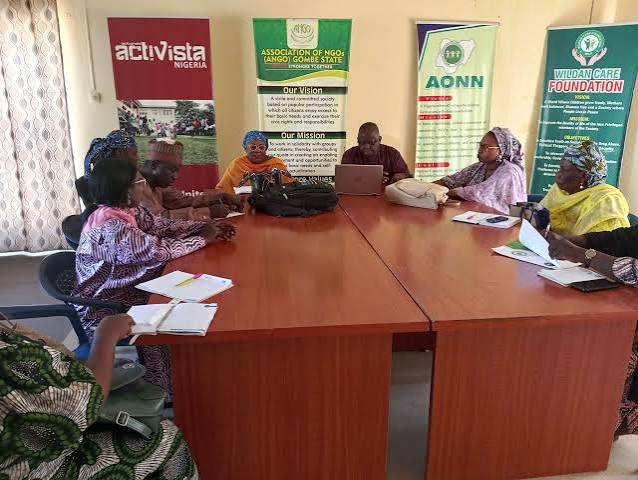
The organisation's Senior Programme Officer, Kunle Ishola, expressed the concern on Tuesday during a media engagement on nutrition financing and the state of nutrition in Lafia.
Ishola disclosed that malnutrition was responsible for about 50 per cent of child mortality in the state, warning that inadequate nutrition continued to expose children to serious health complications.
He explained that malnutrition did not always cause death directly but weakened children's immune systems, making them more vulnerable to common illnesses such as diarrhoea, pneumonia, malaria and measles.
According to him, many children in Nasarawa suffer from stunting, wasting and underweight conditions associated with inadequate feeding practices and poor nutrition.
Survey reveals troubling child nutrition figures
Ishola cited findings from the 2023–2024 National Demographic and Health Survey (NDHS), which indicated that:
-
35 per cent of children in Nasarawa suffer from stunting.
-
22.9 per cent of children under five are underweight.
-
9.6 per cent of children under five suffer from wasting.
He identified inadequate nutrition funding, delayed budget releases and low rates of exclusive breastfeeding during the first six months of life as factors worsening the situation.
The programme officer called on the Nasarawa State Government to increase budgetary allocations for nutrition and ensure that approved funds were released promptly to relevant agencies.
He also appealed to chairmen of the state's 13 local government areas to make specific provisions for nutrition programmes in their annual budgets.
According to him, adequate funding at the local government level would strengthen nutrition services across the state's 147 electoral wards and improve the capacity of primary healthcare centres to identify and treat acute malnutrition.
Parents urged to improve infant feeding practices
Ishola urged parents and caregivers to practise exclusive breastfeeding during the first six months of a child's life and introduce appropriate complementary foods thereafter.
He also encouraged regular growth monitoring, routine immunisation and early presentation at healthcare facilities whenever children showed signs of nutritional deficiencies.
He called on journalists, traditional rulers, religious leaders and other community stakeholders to intensify public education on proper nutrition.
Ishola stressed that investment in nutrition was an investment in the future of Nasarawa State, reaffirming CS-SUNN's commitment to working with government and development partners to prevent avoidable child deaths associated with malnutrition.
CS-SUNN acknowledges government progress, identifies funding gaps
Also speaking, the Nasarawa State Coordinator of CS-SUNN, Jonah Aboki, commended Governor Abdullahi Sule for supporting nutrition financing since assuming office in 2019.
Aboki said the organisation's decade-long engagement in the state had recorded improvements in policy development and advocacy.
He identified the approval of the Nasarawa State Policy on Food and Nutrition, alongside the development of a multi-sectoral plan and strategic plan of action for nutrition, as important steps towards addressing the challenge.
However, he maintained that inadequate funding and delays in releasing approved allocations remained major obstacles to effective implementation.
Aboki warned that children continued to develop moderate and severe acute malnutrition, requiring timely access to essential nutritional commodities and treatment.
He explained that delays in supplying these commodities could worsen children's conditions, increase preventable deaths and place additional pressure on healthcare facilities.
He therefore advocated quarterly releases of nutrition funds to relevant Ministries, Departments and Agencies (MDAs) to support timely interventions and effective programme implementation.
₦125 million matching grant raises questions over distribution
Aboki further disclosed that Governor Sule had released ₦125 million through a matching grant arrangement, leading to the procurement of nutrition commodities for the state.
However, he expressed concern that some of the procured commodities had yet to be distributed to primary healthcare centres despite the growing number of children requiring nutritional support.
The disclosure raises questions about the distribution arrangements, the quantity of commodities available, the facilities expected to receive them and the timeline for reaching vulnerable children.
Effective nutrition intervention requires not only budgetary allocations and procurement but also timely delivery of essential supplies to communities where children need them most.
Turning nutrition funding into measurable results
The concerns raised by CS-SUNN highlight the need for stronger coordination between the state government, local government authorities and healthcare institutions.
While Nasarawa has made progress in developing nutrition policies, the challenge remains translating those frameworks and financial commitments into accessible services for children and families.
Timely funding, transparent tracking of nutrition commodities, stronger primary healthcare services and improved infant feeding practices will be critical to reducing the state's malnutrition burden.
For families facing food insecurity and limited access to healthcare, the success of nutrition programmes will ultimately be measured by whether vulnerable children receive the support they need before preventable conditions become life-threatening.
Wakirike Herald
The Voice of Wakirike People Everywhere
Written by
wk-admin
Comments
- Be the first to comment.