Civil Society Groups Raise Environmental, Food Security Concerns Over Nigeria-JBS $2.5bn Investment
By Wakirike Herald
Civil society and environmental organisations have raised concerns over the potential environmental, economic and social consequences of Nigeria's proposed $2.5 billion investment agreement with global meat-processing company JBS.
The stakeholders warned that the proposed investment, while potentially bringing economic opportunities, could place additional pressure on Nigeria's food system, contaminate water resources, reduce access to farmland and threaten the livelihoods of rural communities.
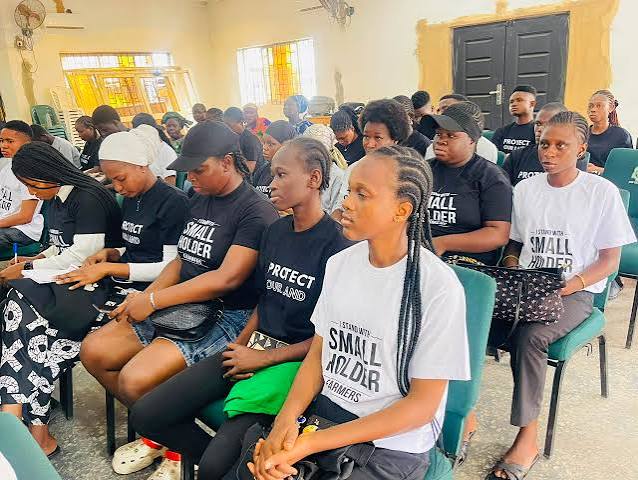
Their concerns were expressed on Monday, November 23, 2026, during a stakeholders' engagement in Calabar, Cross River State.
According to details of the proposed agreement, the investment will involve the construction of six industrial facilities, comprising three poultry plants, two beef-processing plants and one pork-processing plant.
The organisations called on the Federal Government to make the agreement public and ensure that affected communities and independent environmental experts are involved in assessing its potential consequences before implementation.
Environmental Groups Demand Disclosure of Investment Agreement
The Director of Programmes at the Health of Mother Earth Foundation (HOMEF), Ms Joyce Brown, urged the government to disclose the full details of the investment agreement to enable Nigerians to understand its implications.
Brown said the proposed project could have significant consequences for land ownership, water resources, local livelihoods and domestic livestock producers.
She called for an independent environmental and social impact assessment, with the active participation of communities expected to host the facilities.
According to her, local farmers also require improved access to credit, processing facilities, storage infrastructure and markets to compete effectively in an agricultural environment increasingly influenced by multinational corporations.
She stressed that strengthening domestic agricultural capacity should remain an important consideration in evaluating large-scale foreign investments.
Groups Warn Against Land Grabbing and Environmental Pollution
The Deputy Executive Director of Environmental Rights Action, Ms Miriam Olsen, identified potential land grabbing, environmental contamination, corporate accountability and threats to Nigeria's food systems as major areas of concern.
Olsen, who coordinates Stop Financing Factory Farming in Africa, questioned the ability of local livestock producers to compete with JBS, given the company's industrial production capacity.
She urged the Nigerian Government to carefully examine the company's operational record and environmental practices before allowing large-scale activities to commence.
She cautioned that employment promises should not overshadow the possible environmental and livelihood consequences for host communities.
Olsen also expressed concern that local populations might bear the environmental and social costs of industrial operations without receiving meaningful employment opportunities or other substantial benefits.
Youth Organisations Seek Greater Transparency
The Programme Manager of the Youth in Agroecology and Restoration Network (YARN), Mr Oluwaseyi Olawuyi, called for greater awareness among young Nigerians about the long-term implications of the proposed investment.
He said young people needed to understand how industrial livestock production could affect smallholder farmers, local businesses, food systems and community livelihoods.
Olawuyi urged the Federal Government and JBS to make the Memorandum of Understanding governing the investment publicly available.
He argued that access to the agreement would enable young people, farmers and other stakeholders to examine the proposed benefits, obligations and potential consequences.
According to him, public sensitisation and transparency are essential to ensuring that investment decisions reflect the interests of affected communities.
Foundation Warns Against Displacement of Farming Families
The Coordinator of Peace Point Development Foundation, Umo Isua-Ikoh, warned that large-scale industrial agriculture could threaten the land rights and traditional livelihoods of farming families.
He explained that many rural households depend on inherited farmland for food production, income and economic security.
He cautioned that losing access to ancestral lands could leave families vulnerable, particularly where adequate compensation, alternative livelihoods or resettlement arrangements are not provided.
Balancing Foreign Investment With Community Interests
The concerns raised by the organisations have brought attention to an important question surrounding Nigeria's agricultural development: how can the country attract large-scale investment while protecting local farmers, natural resources and rural communities?
Industrial livestock production can create opportunities in processing, employment, supply chains and agricultural infrastructure. However, the actual benefits will depend on the investment's structure, environmental safeguards, local participation and distribution of economic opportunities.
For communities expected to host the proposed facilities, access to information and meaningful consultation will be essential.
The Federal Government will also need to clarify the agreement's land requirements, environmental standards, water management arrangements, employment commitments and provisions for local farmers.
Ultimately, the success of the proposed $2.5 billion investment should not be measured by its financial value or the number of facilities constructed alone, but by its contribution to national food security, local economic development and environmental protection.
Wakirike Herald
The Voice of Wakirike People Everywhere
Written by
wk-admin
Comments
- Be the first to comment.