Cardiologist Urges Young Nigerians to Check Blood Pressure Regularly
By Wakirike Herald
A consultant cardiologist, Dr Badru Abodunde, has urged young Nigerians to prioritise regular blood pressure checks, preventive healthcare and early diagnosis to reduce hypertension-related complications and avoidable deaths.
Abodunde, who works with the Lagos State University Teaching Hospital (LASUTH), gave the advice in an interview with the News Agency of Nigeria (NAN) in Lagos on Thursday.
He expressed concern over cases of hypertension among Nigerians aged 28 to 35, warning that undetected or poorly managed high blood pressure could increase the risk of serious cardiovascular complications.
According to the cardiologist, some sudden deaths among young Nigerians may be associated with underlying heart conditions linked to undiagnosed hypertension.
He described hypertension as a silent killer because it can develop without obvious symptoms, leaving some people unaware of their condition until serious complications occur.
“In my earlier years of practice, high blood pressure was mostly an issue among mature and older people from 45 years and above, but now we see 28- to 35-year-old hypertensive patients,” he said.
Young Adults Urged Not to Ignore Heart Health
Abodunde said some young Nigerians engaged in strenuous physical activities without knowing their blood pressure status or whether they had underlying cardiovascular conditions.
“We have had cases of young men dying of cardiac arrest during tennis matches, while jogging, and even as they went to bed,” he said.
He explained that some cardiovascular emergencies might be preventable through timely diagnosis, appropriate treatment and medical assessment of underlying risk factors.
The cardiologist identified the belief that young adults do not need routine medical examinations as one of the challenges contributing to delayed diagnosis.
“The first issue with the younger generation is the false and unwise belief that they are young and, therefore, do not need to regularly check themselves,” he said.
He encouraged Nigerians to establish regular medical check-ups from their late twenties, particularly those with risk factors for hypertension.
However, high blood pressure can affect people of different ages, and screening should be guided by individual risk factors and appropriate clinical advice rather than a single age threshold.
Healthy Diet and Lifestyle Can Reduce Risk
Abodunde advised Nigerians to reduce salt and alcohol consumption, manage stress and adopt healthier daily habits to lower their risk of cardiovascular disease.
He recommended a balanced diet containing fruits, vegetables, whole grains, lean protein, nuts and seeds, while limiting sodium, added sugars and saturated fats.
Regular physical activity, maintaining a healthy weight and avoiding tobacco are also important components of cardiovascular health.
He stressed that people should not wait until they experience symptoms before seeking medical assessment, as hypertension frequently develops without noticeable warning signs.
Family History Requires Extra Attention
The cardiologist noted that hypertension could run in families and advised people with a family history of the condition to pay particular attention to their blood pressure and overall health.
He urged those at increased risk to maintain regular consultations with qualified healthcare professionals and follow appropriate medical advice.
A family history does not mean that a person will inevitably develop hypertension, but it can increase susceptibility, particularly when combined with lifestyle and other health-related risk factors.
Early Detection Can Help Prevent Complications
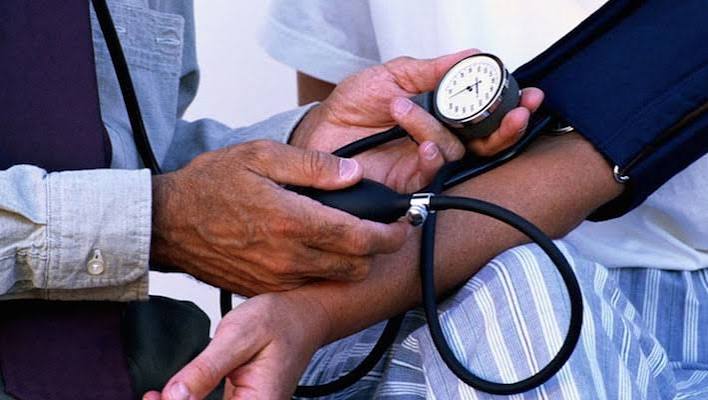
Hypertension is a major risk factor for serious conditions, including stroke, heart disease and kidney disease. Because it often produces no obvious symptoms, measuring blood pressure remains an important way to identify the condition.
For young Nigerians, routine health assessments can provide an opportunity to identify elevated blood pressure, discuss family history and address other cardiovascular risk factors before complications develop.
As Abodunde's warning highlights, age alone should not be treated as evidence of good cardiovascular health. Greater public awareness, accessible screening and timely treatment can help reduce preventable illness and improve long-term health outcomes.
Wakirike Herald
The Voice of Wakirike People Everywhere
Written by
wk-admin
Comments
- Be the first to comment.