Bayelsa Government, NGOs Seek Stronger Partnership to Combat Air Pollution
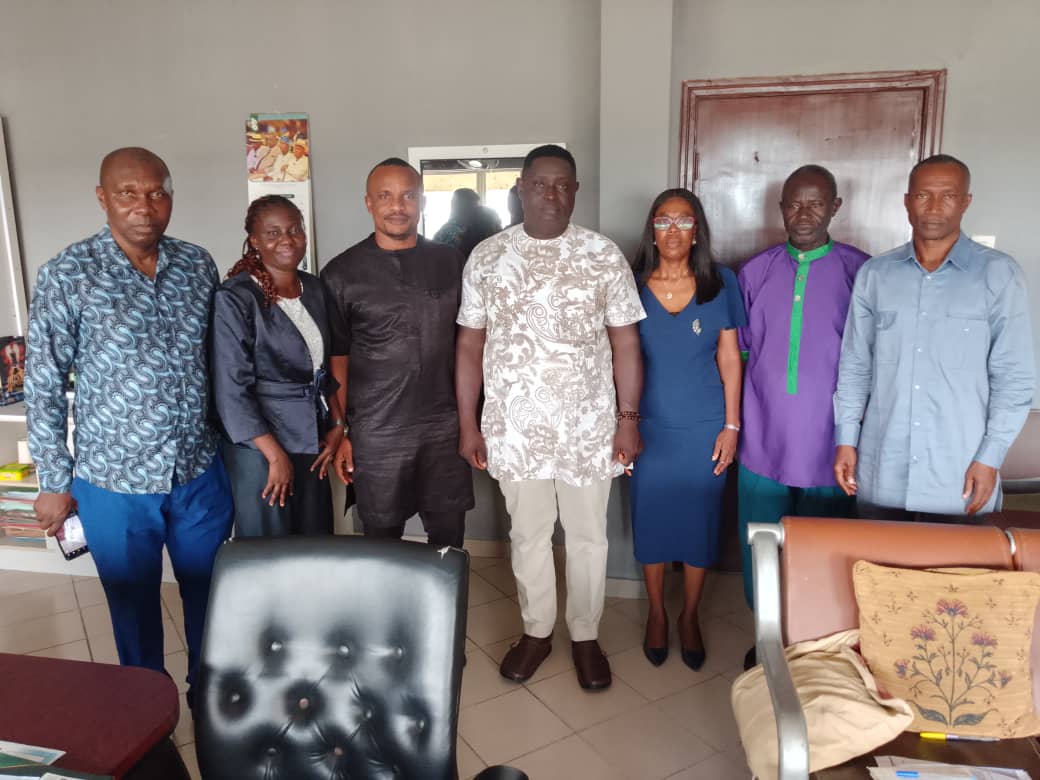
By Wakirike Herald
Stakeholders Identify Gaps in Environmental Monitoring
The Bayelsa State Ministry of Environment and non-governmental organisations have called for sustained cooperation to tackle air pollution and strengthen environmental protection across the state.
The call was made at a stakeholders’ meeting hosted by the ministry on Tuesday in Yenagoa, where participants examined gaps in environmental monitoring and response, particularly in communities affected by oil exploration and production.
The Commissioner for Environment, Dr Ebi Ben-Ololo, represented by the Permanent Secretary, Mr Hamilton Ekeke, reaffirmed the ministry’s readiness to work with relevant stakeholders to preserve Bayelsa’s ecosystem.
Participants expressed concern over the global health burden of air pollution, citing the World Health Organisation’s estimate that the problem causes approximately seven million deaths annually worldwide.
NGOs Call for Better Pollution Monitoring
Menidin Egbo, Coordinator of the Community Environment and Development Network (CEDEN), said air pollution monitoring should have been integrated into assessments of oil spill damage since the establishment of the National Oil Spills Detection and Response Agency (NOSDRA) in 2006.
Egbo argued that periodic reviews of NOSDRA’s operations, conducted in collaboration with relevant stakeholders, could have encouraged the development and use of local technologies to address air pollution.
He said such efforts could also help tackle soil degradation, water contamination and the destruction of forests and crops associated with oil spills.
Similarly, Ikechukwu Ahaka of the Media Awareness and Justice Initiative (MAJI) stressed the need for capacity building among environmental stakeholders and government agencies to improve pollution monitoring and response.
Ahaka said MAJI was promoting and installing air quality monitoring devices based on open-source technology to measure ambient air pollution across the Niger Delta.
According to him, the initiative seeks to strengthen the ability of local actors to monitor air quality and respond to pollution in affected communities.
He added that MAJI was also promoting public awareness and building local capacity to generate empirical data on particulate matter (PM) and volatile organic compounds (VOCs), pollutants that pose risks to human health and the environment.
Women Urge Community-Based Environmental Action
Ethel Onyimbo, President of the Oloibiri Women Association (OWA), commended Bayelsa Governor Douye Diri for supporting collaborative initiatives aimed at addressing environmental pollution.
Onyimbo said stronger alliances among stakeholders would reinforce efforts to tackle ambient air pollution through sustained grassroots participation.
She also cited the state government's approval to host the governance secretariat of DeltasUnite, a global initiative focused on protecting vulnerable delta environments, as an indication of Bayelsa’s participation in broader environmental governance efforts.
Onyimbo recalled Diri’s participation in discussions on China-Africa cooperation in river, coastal and delta governance at East China Normal University in Shanghai.
The discussions took place during the opening of the fifth United Nations Ocean Decade Conference on Mega Deltas.
She called for the collaborative approach to delta protection to be extended to air pollution control through community-based interventions.
Women and Children Face Particular Risks
Onyimbo expressed concern that developing countries bear a disproportionate share of the health burden associated with air pollution.
She further highlighted the vulnerability of women and children, including unborn children, to the harmful effects of outdoor air pollution.
Her remarks reinforced calls for environmental policies that prioritise public health, access to reliable pollution data and the participation of communities directly affected by industrial activities.
Sustained Cooperation Needed
The stakeholders urged government agencies, civil society organisations and local communities to maintain cooperation in strengthening air pollution monitoring and mitigation across Bayelsa State.
For oil-producing communities, improved monitoring could help generate evidence of environmental risks, inform public health interventions and support more effective responses to pollution.
However, sustained progress will depend on effective coordination, accessible monitoring data, adequate technical capacity and clear follow-up measures to address pollution identified by monitoring initiatives.
Wakirike Herald
The Voice of Wakirike People Everywhere
Written by
wk-admin
Comments
- Be the first to comment.