Bayelsa Deploys Drone Technology to Deliver 1.8 Million Vaccine Doses to Riverine Communities
By Wakirike Herald
The Bayelsa State Government has commended Zipline for using artificial intelligence, robotics and autonomous delivery technology to improve routine immunisation and expand access to essential healthcare in riverine and hard-to-reach communities.
The Commissioner for Health, Prof. Seiyefa Brisibe, gave the commendation at a workshop in Yenagoa on Thursday to review efforts to reach zero-dose children and improve access to essential health services across the state.
Zero-dose children are those who have never received routine vaccinations, leaving them vulnerable to vaccine-preventable diseases.
Brisibe said programme data presented at the workshop showed that Zipline delivered more than 1.8 million vaccine doses between 2024 and 2026, serving 150 health facilities and establishing 127 community drop sites.
Drone Network Covers All Eight LGAs
According to the commissioner, the delivery network covers Brass, Ekeremor, Kolokuma/Opokuma, Nembe, Ogbia, Sagbama, Southern Ijaw and Yenagoa local government areas.
He explained that Bayelsa’s extensive waterways, dense marshlands and difficult terrain had historically complicated the transportation of medical supplies to remote settlements, contributing to missed vaccinations and delays in treatment.
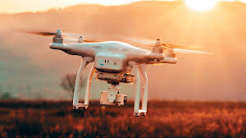
The drone delivery system is intended to help overcome these challenges by transporting vaccines and other essential medical supplies to designated community drop sites, where frontline health workers can collect them for distribution and patient care.
Brisibe said the initiative was being implemented through a partnership involving the Bayelsa Ministry of Health, the State Primary Health Care Board and Zipline under the Zero-Dose and Multi-Deprivation Programme.
He identified Gavi, Pfizer and the ELMA Foundation as funders, with support from Urban Primary Sampling Units (UPS).
Healthcare Programme Extends Beyond Immunisation
The commissioner said the programme combines Zipline’s centralised warehousing, inventory management, digital tracking and on-demand delivery with government-led community mobilisation and healthcare services provided by local health workers.
Under the arrangement, health workers can request supplies when needed, while drones transport them to designated drop sites, helping facilities maintain access to essential commodities.
The state government said the programme also supports community-based interventions for households facing multiple healthcare challenges, including severe childhood malnutrition and limited access to maternal healthcare.
Beyond routine immunisation, deliveries have been expanded to include child nutrition therapies and sexual and reproductive health commodities, reflecting an effort to address interconnected health needs in underserved communities.
Brisibe disclosed that the programme, implemented with state health teams, the United Nations Population Fund (UNFPA), the World Health Organization (WHO) and other partners, had delivered about 19,000 malaria vaccine doses.
He added that the initiative supplied 9,600 doses of albendazole for deworming, more than 6,000 doses of vitamin A, as well as commodities for diarrhoea treatment and sexual and reproductive healthcare.
Zipline Highlights Access for Riverine Children
Chinedu Amah, Zipline Nigeria’s Bayelsa State Director, said the company was pleased to support the state government’s efforts to improve access to essential healthcare for children living in riverine communities.
“We are proud to support the Bayelsa government’s efforts to ensure that children in riverine communities have access to the same essential care as children anywhere else,” he said.
Amah added that combining reliable medical supplies with the work of health professionals, community outreach and government leadership was central to translating technology into improved access for families.
Sustaining Gains in Hard-to-Reach Communities
The initiative highlights the potential of technology-supported logistics to address geographical barriers to healthcare in Bayelsa, where many communities depend on waterways for transportation.
However, the long-term impact of the programme will also depend on the availability of trained health workers, effective community mobilisation, reliable vaccine supplies and sustained funding.
Continued monitoring of vaccination coverage, the number of previously unreached children immunised and the consistency of deliveries will be important in assessing how far the intervention is reducing healthcare inequalities across the state.
For Bayelsa’s riverine communities, the central measure of success will be whether these innovations translate into more reliable access to essential healthcare for children, mothers and other vulnerable residents.
Wakirike Herald
The Voice of Wakirike People Everywhere
Written by
wk-admin
Comments
- Be the first to comment.