AWEF 2026: Organisers Call for Investment in Africa’s Indigenous Weaving and Textile Industry
By Wakirike Herald
ABUJA, November 24, 2026 – Organisers of the fourth African Weaving Festival (AWEF) have called for increased investment in indigenous weaving and textile production, saying the sector holds significant potential to strengthen Africa’s creative economy, generate employment and preserve the continent’s cultural heritage.
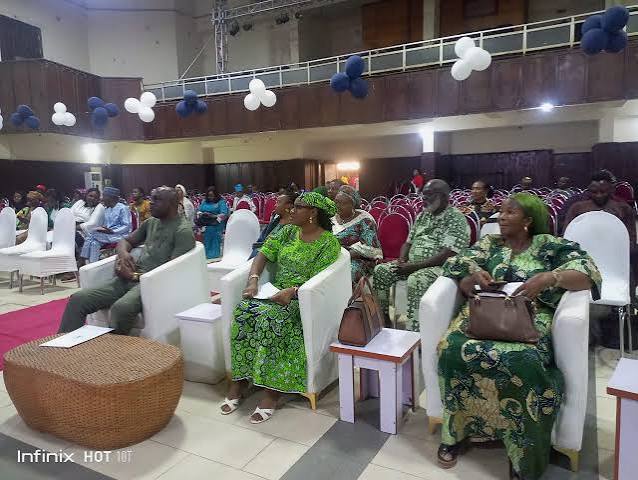
The call was made at the ongoing AWEF 2026, taking place at the Cyprian Ekwensi Centre for Arts and Culture in Abuja from November 23 to 27.
The five-day festival, organised by the African Weaving Festival in partnership with the Federal Capital Territory (FCT) Social Development Secretariat (SDS), is themed “Revitalising African Heritage Through Weaving Innovation and Enterprise”.
The event brings together stakeholders in culture, fashion, textiles, tourism and enterprise to explore ways of transforming traditional weaving practices into viable economic opportunities.
Investment Needed to Unlock the Industry’s Potential
The Permanent Secretary of the FCT Social Development Secretariat and Chairman of the AWEF 2026 Planning Committee, Mrs Olubummi Olowokeere, said the festival was designed to advance cultural preservation while creating economic opportunities for artisans and entrepreneurs.
She stressed that indigenous African fabrics represent more than clothing materials, describing them as expressions of identity, history, creativity and shared heritage.
According to her, the festival provides an important platform for promoting local textile production, encouraging innovation, empowering women and young people, and expanding market opportunities for weavers, designers and other creative entrepreneurs.
Olowokeere identified consistent investment, sponsorship, institutional collaboration and private-sector participation as essential to building a viable African weaving industry.
She also called on government institutions, corporate organisations and development partners to support future editions of the festival.
She said the organisers envisioned AWEF becoming a major African platform for cultural diplomacy, textile innovation, enterprise development and international trade.
Federal Government Advocates Innovation and Cultural Preservation
Also speaking, the Permanent Secretary of the Federal Ministry of Arts, Culture, Tourism and Creative Economy, Abdulkarim Ibrahim, described the festival's theme as timely, noting that weaving remains an important expression of Africa's history and cultural identity.
Represented by his adviser, Theophilus Obute, Ibrahim emphasised the importance of documenting indigenous weaving knowledge and transferring traditional skills to younger generations.
He maintained that traditional weaving techniques must be preserved while embracing contemporary designs and technology to improve the competitiveness of African textiles.
“Heritage must not be frozen in time, it must evolve. Innovation is not a betrayal of tradition, it is the survival of tradition,” he said.
The ministry, he added, remained committed to safeguarding intangible cultural heritage and supporting traditional crafts.
Ibrahim further identified improved access to finance, technical training, modern technology, markets and intellectual property protection as critical requirements for developing the industry.
Women and Young People Stand to Benefit
Beyond cultural preservation, the festival has drawn attention to the employment and enterprise opportunities within Africa's weaving and textile value chain.
According to Ibrahim, a stronger weaving industry could empower women and young people, create jobs, strengthen rural economies, promote tourism and increase export opportunities.
However, translating these prospects into measurable economic benefits would require practical support for artisans, including affordable financing, modern equipment, skills development and access to wider markets.
Protecting indigenous designs and traditional knowledge will also be important in ensuring that the communities responsible for preserving these crafts benefit from their commercial value.
Festival Showcases African Creativity
Earlier, the Executive Director of AWEF, Sam Agbi, welcomed participating countries, international delegates, government representatives and exhibitors to the fourth edition.
Represented by the organisation's Administrative Secretary, Michael Agbi, he expressed appreciation to participants for bringing their creativity, cultural heritage and entrepreneurial experiences to the gathering.
The opening ceremony featured cultural performances by the FCT Cultural Troupe, an indigenous textiles and fashion runway, and exhibitions showcasing African weaving traditions and creative products.
Turning Cultural Heritage into Economic Opportunity
The discussions at AWEF 2026 highlight an important challenge facing Africa's indigenous textile industry: preserving traditional knowledge while creating the commercial structures needed to make the sector competitive.
For the industry to realise its potential, calls for investment must translate into accessible financing, improved production facilities, reliable markets, stronger intellectual property protection and opportunities for younger generations to acquire traditional skills.
The success of the initiative will ultimately depend not only on the visibility of African fabrics at cultural festivals but also on the ability of local weavers and textile entrepreneurs to build profitable businesses from their craft.
Wakirike Herald
The Voice of Wakirike People Everywhere
Written by
wk-admin
Comments
- Be the first to comment.