Anaesthetists Push for Safer Surgery Through Stronger Peri-operative Care in Nigeria
By Wakirike Herald
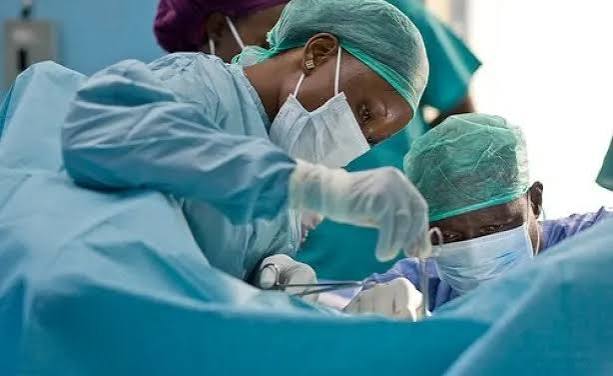
The Nigerian Society of Anaesthetists (NSA) has called for stronger coordination across the surgical care pathway, stressing that patient safety depends on effective anaesthesia management before, during and after operations.
The call was made at the society’s 34th Annual Scientific Conference in Kano, where specialists examined practical approaches to improving anaesthesia services and surgical outcomes across Nigeria’s healthcare system.
The conference theme, “Strengthening Anaesthesia Along Peri-operative Pathways from Pre-operative Anaesthesia Assessment to Recovery”, reflects the need for continuous care rather than treating anaesthesia as an isolated procedure within the operating theatre.
The NSA National President, Prof. Alhassan Datti-Mohammed, said the gathering was designed to enable professionals to examine scientific evidence, exchange local innovations and strengthen their capacity to deliver safe anaesthesia in public and private healthcare facilities.
He said the society had aligned its focus with the theme adopted by the World Federation of Societies of Anaesthesiologists.
Safe surgery begins before the operating theatre
Datti-Mohammed explained that anaesthesia care begins well before a patient enters the operating room and continues through the operation, postoperative monitoring, pain management and recovery.
He said the conference followed four days of pre-conference workshops and training sessions intended to refresh practitioners’ knowledge, sharpen clinical skills and introduce new approaches to patient care.
According to him, strengthening each stage of the process could help reduce avoidable complications and improve the quality of surgical outcomes.
His remarks highlight an important challenge in Nigeria’s healthcare system: safe surgery requires more than competent surgeons and functional operating theatres. It also depends on qualified anaesthesia personnel, appropriate equipment, effective monitoring and reliable postoperative services.
Blood management central to anaesthesia safety
The Director-General of the National Blood Service Agency (NBSA), Prof. Saleh Yuguda, drew attention to the relationship between anaesthesia, blood management and patient safety.
In a paper titled “Safe Blood, Safer Anaesthesia: Strengthening Patient Blood Management and Rational Blood Ordering Across the Peri-operative Pathway”, Yuguda said anaesthetists played a critical role in assessing patients before surgery, anticipating blood loss and coordinating responses to major haemorrhage.
He noted that decisions about blood transfusion affected both individual patients and the availability of blood, an essential but limited healthcare resource.
Yuguda advocated a shift from reactive transfusion practices to proactive Patient Blood Management, alongside more rational and evidence-based blood ordering.
He said the approach should aim to reduce avoidable anaemia, prevent unnecessary blood loss, improve transfusion safety and ensure that available blood supplies were used efficiently.
He also stressed the importance of cooperation among anaesthetists, surgeons, haematologists, transfusion laboratories, hospitals and the NBSA.
His recommendations centred on optimising patients before surgery, minimising blood loss, making informed transfusion decisions and ensuring appropriate preparation of blood where necessary.
Kano Government highlights health sector investment
The Kano State Government also highlighted its investment in healthcare delivery.
Gov. Abba Yusuf, represented by the Executive Secretary of the state's Hospital Management Board, Dr Mansur Nagoda, said the administration allocated 20 per cent of its budget to the health sector.
He disclosed that the government had recently recruited more than 2,000 health workers to strengthen staffing levels in public health facilities.
According to him, over 100 medical directors had also received government-sponsored training within and outside Nigeria, while theatre rooms in some secondary healthcare facilities had been equipped.
These measures, if sustained and supported by adequate funding, maintenance and personnel deployment, could improve the capacity of public hospitals to provide essential surgical services.
Closing the gaps in Nigeria’s surgical care
The discussions at the conference bring attention to the wider requirements for safer surgery in Nigeria, particularly the need to strengthen healthcare services beyond major tertiary hospitals.
Patients undergoing surgery at secondary and primary healthcare levels also require appropriate pre-operative assessment, qualified anaesthesia professionals, safe blood supplies and dependable postoperative monitoring.
For these improvements to become widespread, training must be matched by investment in equipment, staffing, blood services and effective referral systems.
The conference therefore presents an opportunity to move beyond professional discussions towards practical improvements in hospitals across the country.
Ultimately, safer surgery depends on a coordinated system in which every stage of patient care receives the attention it deserves.
Source: News Agency of Nigeria (NAN)
SEO Title: Nigerian Anaesthetists Push for Safer Surgery and Better Patient Care
URL Slug: nigerian-anaesthetists-safer-surgery-peri-operative-care
Meta Description: Nigerian anaesthetists call for stronger surgical care, safer blood management and improved patient monitoring at their 34th annual conference in Kano.
Article Description: The Nigerian Society of Anaesthetists has called for stronger peri-operative care, better blood management and improved clinical coordination to enhance surgical safety across Nigeria’s healthcare system.
Wakirike Herald
The Voice of Wakirike People Everywhere
Written by
wk-admin
Comments
- Be the first to comment.