African Diplomats Urged to Strengthen Public and Digital Diplomacy Capacity
By Wakirike Herald
African diplomats have been urged to strengthen their professional capacity in public and digital diplomacy to improve the continent’s international engagement and ensure that African perspectives receive greater visibility in global conversations.
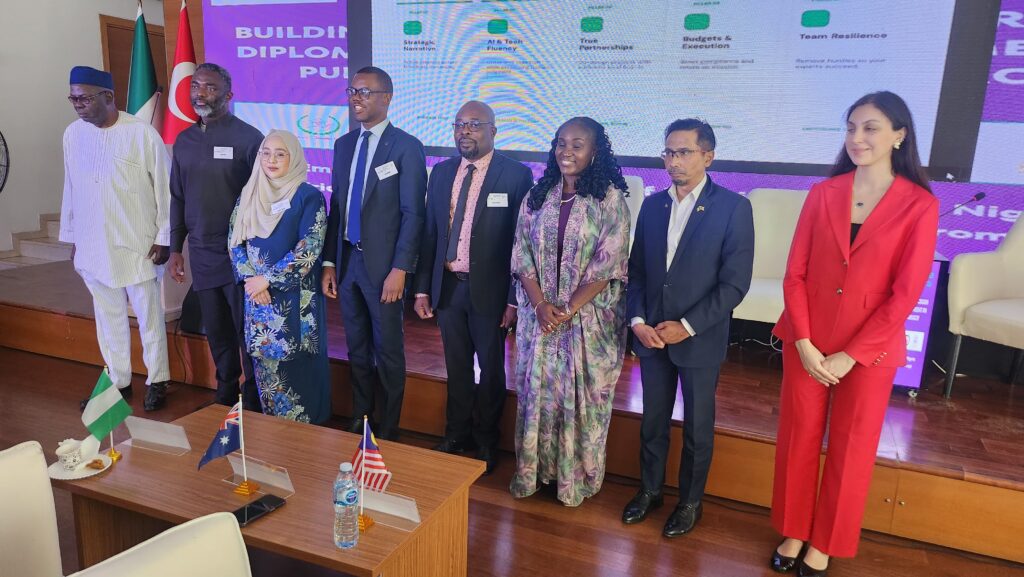
The call was made at the third edition of the HEDDA Diplomatic Career Conference 2026, organised by the HEDDA Diplomatic Career Mentorship and Leadership Centre (HDCMLC) at the Embassy of the Republic of Türkiye in Abuja on Friday, November 20.
The conference, themed “Building a Stronger Africa through Diplomatic Capacity Development in Public and Digital Diplomacy”, brought together diplomats, young professionals and other stakeholders to examine emerging trends in international relations and the changing demands of diplomatic engagement.
Diplomacy Must Go Beyond Official Government Channels
The Ambassador of Türkiye to Nigeria, Mehmet Poroy, said public diplomacy remained fundamentally about building relationships, mutual understanding and cooperation between people.
Represented by Serenay Arıkan, Third Secretary at the embassy, Poroy explained that although digital technology had changed how countries communicate, the central purpose of diplomacy remained the promotion of understanding and stronger relationships.
He noted that meaningful public diplomacy required diplomats to engage directly with people, listen to their concerns and build connections beyond formal government channels.
Poroy also highlighted Türkiye's diplomatic engagement with Africa, which he said was founded on mutual respect, equal partnership and shared prosperity.
He stressed the importance of strengthening relations between Nigeria and Türkiye through both institutional cooperation and closer people-to-people connections.
Digital Platforms Creating New Opportunities for Diplomats
In her keynote address, Australia's High Commissioner to Nigeria, Leilani Bin-Juda, said digital technology had significantly transformed diplomatic communication by expanding the reach of embassies and influencing how foreign policy was understood by the public.
She identified opportunities for diplomatic missions to use digital platforms to explain foreign and trade policies, showcase investment opportunities, communicate development initiatives and engage directly with local communities.
However, she cautioned that effective digital diplomacy required sound judgement, credibility and careful verification of information before publication.
According to Bin-Juda, successful digital engagement must involve meaningful conversations rather than one-way communication.
She identified relationship-building, protecting institutional credibility and evaluating the impact of digital engagement as important considerations for diplomats operating online.
She further emphasised that the speed of digital communication required diplomats to respond promptly without sacrificing accuracy and reliability.
With numerous voices competing to shape public opinion, she urged diplomatic professionals to distinguish verified evidence from unsubstantiated claims, verify information sources and correct mistakes when they occur.
Artificial Intelligence Presents Opportunities and Risks
Bin-Juda also highlighted the growing influence of artificial intelligence in diplomatic practice.
She said AI could assist diplomats with translation, audience analysis, document preparation and content production, potentially improving efficiency and communication across language barriers.
However, she warned that the same technology could facilitate the production and circulation of misinformation, synthetic images, cloned voices and fabricated materials.
She stressed that technology should remain a tool for achieving diplomatic objectives rather than becoming the primary focus of public diplomacy.
Her position was that trust, meaningful relationships and influence remained central to diplomatic engagement, regardless of the communication platforms being used.
African Countries Urged to Tell Their Own Stories
The High Commissioner of Malaysia to Nigeria, Aiyub Omar, described public diplomacy as direct engagement between diplomats and citizens of their host countries beyond conventional government-to-government relations.
He said digital platforms had expanded opportunities for countries to build understanding, friendship and trust among international audiences.
Omar observed that diplomacy had evolved from largely confidential government discussions into a more open environment where public communication and direct engagement played increasingly important roles.
He said countries could strengthen their international relationships by communicating effectively with citizens and communities in their host nations.
Similarly, the Ambassador of Burundi to Nigeria, Edouard Nduwimana, called for greater investment in diplomatic training, particularly for young professionals expected to represent African countries in an increasingly complex international environment.
He maintained that Africa needed well-trained diplomats capable of communicating the continent's priorities, defending its common interests and representing individual countries effectively on the global stage.
Nduwimana also described digital diplomacy as an opportunity for African countries to tell their own stories, showcase achievements and address misconceptions about the continent.
He encouraged participants to translate the knowledge acquired at the conference into practical initiatives within their respective countries and diplomatic missions.
Conference Targets Emerging Diplomatic Professionals
Earlier, the convener of the conference and founder of HDCMLC, Hope Ayabina, said the theme reflected Africa's growing global relevance and the need for its diplomatic representatives to communicate the continent's experiences and priorities more effectively.
She explained that much of contemporary international storytelling now takes place online, making digital communication skills increasingly important for African diplomats.
Ayabina clarified that the conference was not intended to encourage diplomats to disclose confidential government information on social media but to equip them with the knowledge and professional judgement required to participate responsibly in digital spaces.
She said the initiative was designed to provide career-focused learning opportunities for young people and professionals interested in diplomatic service.
The conference also featured a panel discussion during which young career diplomats interacted with experienced practitioners to deepen their understanding of diplomatic responsibilities and professional development.
Building Africa's Diplomatic Influence Through Knowledge and Trust
The discussions highlighted an important challenge facing African countries: how to communicate their interests, policies, achievements and perspectives effectively in an increasingly interconnected world.
While digital platforms offer African diplomatic missions opportunities to reach international audiences directly, their effectiveness will depend on credible information, professional training and sustained engagement.
For young Africans aspiring to diplomatic careers, the conference also drew attention to the importance of communication, cultural awareness, technological literacy and relationship-building in modern international relations.
Ultimately, strengthening Africa's diplomatic capacity will require more than access to digital platforms. It will demand institutions and professionals capable of using those platforms responsibly to advance cooperation, improve international understanding and ensure that African voices are meaningfully represented in global affairs.
Wakirike Herald
The Voice of Wakirike People Everywhere
Written by
wk-admin
Comments
- Be the first to comment.