2027 Elections: Yiaga Africa Urges Female Candidates to Strengthen Campaigns, Protect Votes
By Wakirike Herald
The Executive Director of Yiaga Africa, Samson Itodo, has urged female candidates contesting the 2027 general elections to adopt strategic campaign approaches, build strong grassroots support and establish effective mechanisms to protect their votes.
Itodo gave the advice in an interview with journalists in Abuja on Monday while expressing concern over the declining number of women nominated to contest elective positions in the forthcoming elections.
A report by Dataphyte published in September showed that women accounted for 10 per cent, representing 508 of the 5,094 candidates nominated for the 2023 general elections.
However, the figure has declined to 9.7 per cent ahead of the 2027 elections, with only 475 women among the 4,899 nominated candidates.
The development has renewed concerns about the barriers limiting women's participation and representation in Nigeria's political system.
Lack of Internal Democracy Undermines Women's Participation
Itodo attributed the decline largely to a lack of internal democracy within political parties, alongside negative societal attitudes towards female leadership and the increasing cost of political participation.
He explained that changes in the candidate nomination process had further weakened opportunities for women, particularly with several political parties adopting consensus arrangements.
According to him, the elimination of indirect primaries by the National Assembly and the subsequent reliance on consensus by many parties have increased the influence of party leaders over candidate selection.
He observed that political party leaders were increasingly making public declarations about candidates to whom tickets had been awarded, raising questions about the transparency and competitiveness of the nomination process.
The Yiaga Africa director also identified entrenched gender stereotypes as a major obstacle, noting that some political parties continued to perceive women as less electable than their male counterparts.
He further highlighted the rising cost of securing party nominations as another significant barrier.
Itodo argued that women, who often face greater financial disadvantages, were particularly affected by the increasing expenses associated with seeking political office.
Credible Elections Critical to Improving Representation
On possible solutions, Itodo called for credible elections, stronger institutional support for female candidates and intensified advocacy for women's participation in politics.
He urged political parties to demonstrate genuine commitment to gender inclusion by providing women candidates with the financial resources, structures and campaign support required to compete effectively.
He also stressed that electoral integrity was essential to improving women's representation, warning that electoral manipulation could prevent qualified female candidates from emerging victorious.
According to him, Nigeria must also explore additional measures to guarantee improved women's representation in public office.
Female Candidates Told to Build Grassroots Support
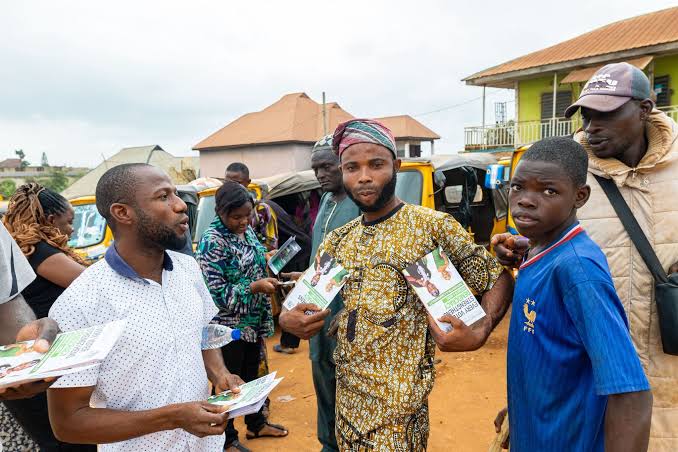
Addressing women already on the ballot for the 2027 elections, Itodo advised them to intensify their campaigns and recognise the importance of grassroots political mobilisation.
He encouraged female candidates to focus on issues affecting their constituencies, build strong support networks, mobilise voters and establish mechanisms to safeguard their votes during the electoral process.
He maintained that being a woman should not prevent any candidate from taking practical steps to protect her electoral mandate.
Itodo warned that female politicians must be prepared for the challenges of electoral competition, including possible attempts by political opponents to undermine their chances of victory.
The declining proportion of female candidates presents another challenge for Nigeria's democratic development, particularly as women continue to seek greater representation in political parties, legislative institutions and executive positions.
Beyond increasing the number of women on ballot papers, the challenge ahead lies in creating a political environment where female candidates can secure party tickets, compete on equal terms and have their votes protected.
Wakirike Herald
The Voice of Wakirike People Everywhere
Written by
wk-admin
Comments
- Be the first to comment.